

Horses are truly magnificent creatures, and as one of humanity’s oldest domesticated animals, they’ve earned their place in our hearts and our history books. Yet despite centuries of partnership with these incredible animals, we still carry plenty of myths and misconceptions about how horses think, behave, and communicate.
At HLArena, we’re passionate about helping horse lovers separate fact from fiction. That’s why we’ve compiled this guide to seven of the most common horse myths—and the real truths that will forever change how you understand your equine partner.
1. Horses Love to Jump and Do Sports

Here’s a truth that might surprise you: your horse probably doesn’t share your passion for jumping or competition. While it’s fun to imagine your equine friend loves sports as much as you do, the reality is quite different.
Yes, some horses have physical traits that make them naturally suited for specific disciplines. But having the ability doesn’t mean they actually prefer doing it. If you ask most horses what they’d rather do, they’d probably choose munching hay, hanging out with their herd mates, or simply being horses over any competition ring!
2. Horses Are Just Like Dogs
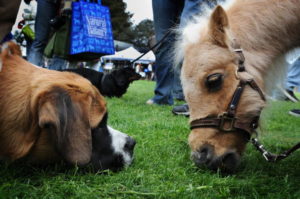
This is one of the biggest misconceptions in the horse world. Sure, both dogs and humans enjoy warm beds and good food, but the similarities end there.
Here’s the fundamental difference: dogs are predators with social structures similar to humans. Horses, on the other hand, are prey animals with completely different instincts and social hierarchies. Their behavior, communication, and bonding patterns are nothing like man’s best friend. Even though we often think of our horses as companion animals, treating them like dogs will only lead to misunderstandings and missed connections.
3. Horses Aren’t Very Smart

New riders sometimes blame their horse for being stubborn or unintelligent when their horse won’t cooperate. But here’s the real story: if your horse isn’t responding, it’s not because they lack intelligence—it’s because you’re not communicating clearly.
Horses are incredibly intuitive animals. They can instantly read which riders are precise communicators and which ones aren’t. Equines have a type of intelligence that’s uniquely suited to their nature—they’re exceptionally skilled at reading body language, detecting subtle cues, and responding to consistent leadership. In fact, horses rank among the smartest animals on the planet!
4. Horses Talk to Each Other by Neighing

You’ve probably seen movies where horses carry on full conversations with dramatic neighs and whinnies. While horses do make these sounds, this myth is largely exaggerated!
In reality, horses are relatively quiet animals. The majority of their communication happens through body language—ear position, tail movements, facial expressions, and subtle posture changes. When you spend time around horses, you’ll realize how sophisticated and nuanced their non-verbal communication truly is. They’re master communicators, just not in the way Hollywood portrays!
5. Horses See in Black and White

This is one of the most widespread misconceptions about equine vision. Horses absolutely do NOT see in black and white—in fact, they see better than many animals we assume have superior color vision!
While horses have a more limited color spectrum than humans, they can see blues and greens clearly. Reds and yellows appear more muted to them, but they’re definitely not colorblind. What’s even more impressive? Horses have exceptional night vision and see incredibly well in low-light conditions. This remarkable ability is a holdover from their prey animal heritage—they needed to see predators in the darkness!
Conclusion: Understanding Your Horse Better
Myths about horses have persisted for generations, often passed down without question. But when we take the time to understand the real truth about how horses think, communicate, and perceive the world, we become better, more compassionate equestrians.
Your horse isn’t stubborn, unintelligent, or dog-like—they’re a unique, intelligent, prey animal with their own language and social structure. The more you understand these truths, the stronger your relationship with your equine partner will become.
Have you believed any of these myths? Share your thoughts in the comments below, and let’s keep learning together!