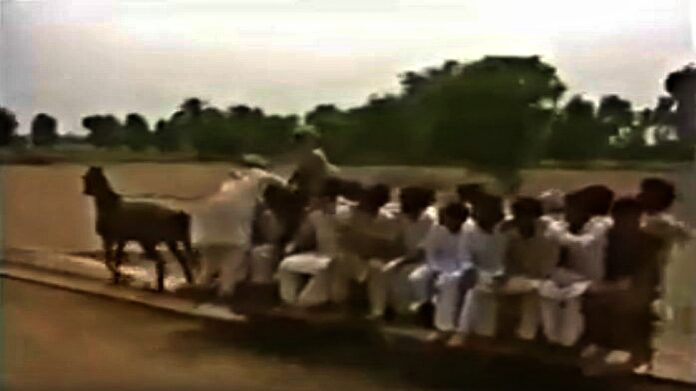

Before automobiles revolutionized transportation, horses were the lifeblood of travel and commerce across the globe. Remarkably, in Imran, Pakistan, these historic horse trains are still very much alive—a fascinating glimpse into a way of life that many of us thought had vanished into history.
While technology has transformed transportation in developed nations, many regions across Asia and Africa continue to rely on traditional methods. For these communities, modernization has moved slowly, and horse trains remain an essential part of daily life. It’s almost as if time has paused in these places, creating a unique window into how people once traveled and traded.
The Beauty and Concern of Horse-Powered Transport
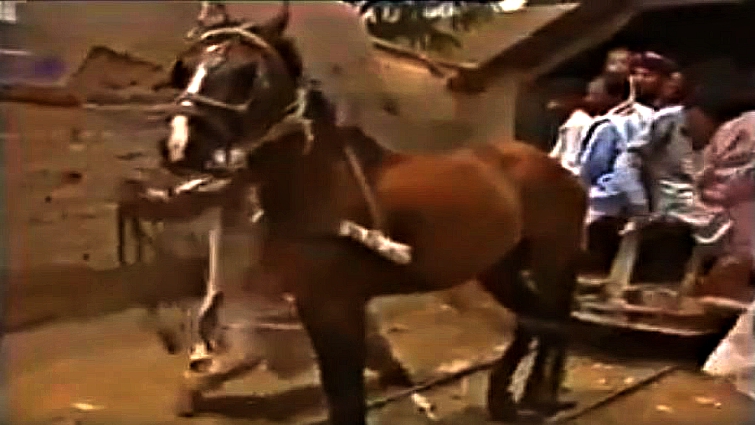
As passionate horse lovers, we absolutely appreciate the heritage and resilience of traditional horse trains. However, we must also advocate for the welfare of these hardworking animals. Horse-drawn transportation is sustainable and culturally significant—but only when done responsibly.
One critical concern is capacity management. Horses have physical limits, and overloading can cause serious health problems and suffering. When we observe horse trains carrying excessive passengers or cargo, it raises legitimate animal welfare questions. The horses deserve proper care, adequate rest, and reasonable workloads to ensure their longevity and well-being.
Balancing Tradition with Progress
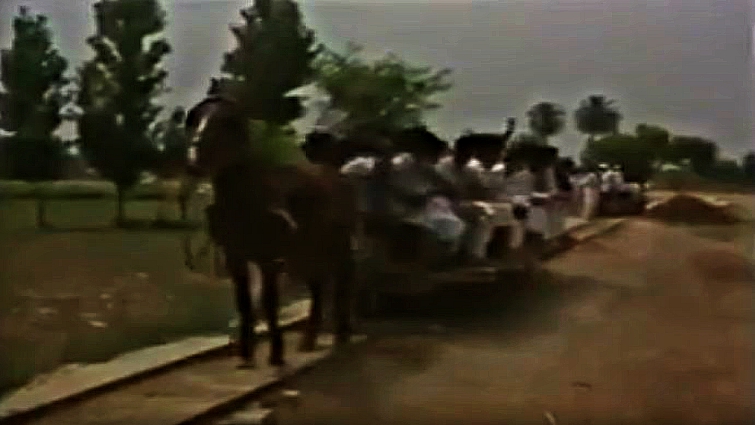
The real challenge facing communities like Imran is finding the right balance between preserving cultural heritage and adopting modern transportation solutions. Technology can improve lives dramatically—better infrastructure, safer vehicles, and more efficient logistics can all reduce the burden on horses while enhancing community development.
This doesn’t mean abandoning horses entirely. Instead, it means thoughtfully integrating modern solutions where appropriate while respecting the traditions and economic realities of these communities. Perhaps a gradual transition that combines selective modernization with improved animal care standards could be the ideal path forward.

Watch the Video and Share Your Thoughts
Check out this remarkable footage of horse trains in action:
What are your thoughts on traditional horse transportation in developing regions? Do you see it as an important cultural practice worth preserving, or do you believe modernization should take priority? We’d love to hear your perspective in the comments below. Share your opinions on how communities can balance heritage with progress while ensuring the health and happiness of their horses.