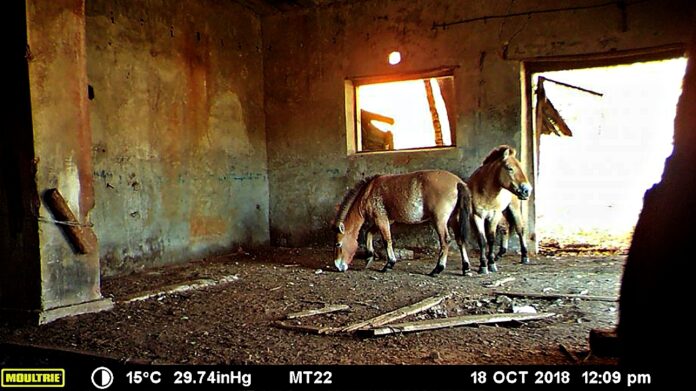

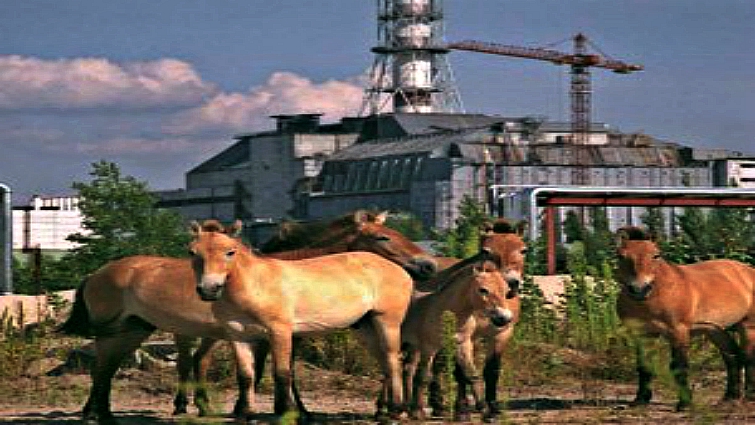
In a fascinating discovery that highlights the resilience of wildlife, researchers have found that rare Przewalski’s horses are thriving in an unexpected location: the abandoned buildings of the Chernobyl Exclusion Zone. This groundbreaking research, published by scientists at the University of Georgia, sheds new light on how these critically endangered horses are adapting to one of Earth’s most restricted environments.
A Stunning Discovery in the Exclusion Zone
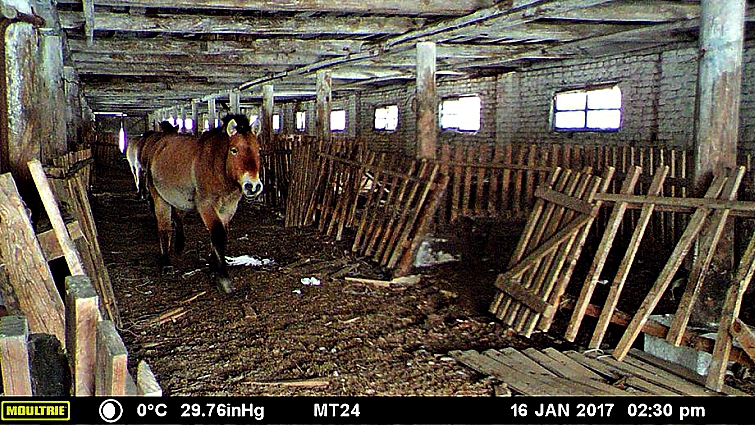
Lead researcher Peter Schlichting captured over 11,000 images of these magnificent creatures using motion-activated cameras throughout the Polesie State Radiation Ecological Reserve on the Belarusian side of the exclusion zone. The data tells an inspiring story: Przewalski’s horses were recorded 35 times during winter and 149 times during summer at monitored structures across the reserve.
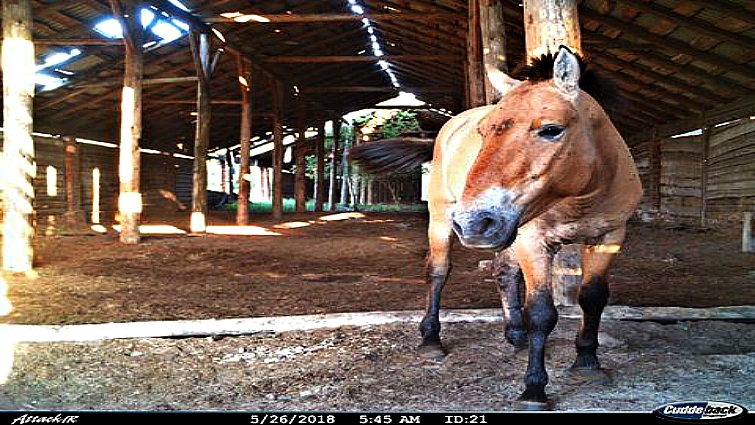
What makes this even more remarkable is how the horses utilize these abandoned buildings. The footage reveals that they use the structures for shelter, sleeping, breeding, and rest—often staying inside for more than 5 hours at a time. This behavior demonstrates their intelligence in adapting to harsh environmental conditions.
From Mongolia to the Chernobyl Zone: A Conservation Success Story
The journey of these incredible horses to the Chernobyl Exclusion Zone is itself remarkable. Fifteen years ago, 36 Przewalski’s horses were introduced to the restricted border region of Belarus and Ukraine as part of an ambitious biodiversity restoration project. Named after Polish-born explorer Nikołaj Przewalski, who first discovered them in Mongolia, these horses represent one of conservation’s greatest achievements.
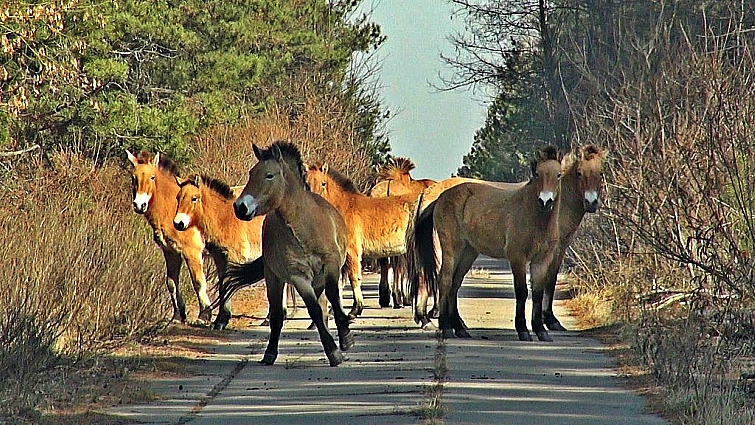
These stunning animals are instantly recognizable by their distinctive appearance: a reddish-brown to dark beige coat with striking white bellies and a hardy build that has remained virtually unchanged for millennia. They’re a living link to our planet’s wild past.
Population Growth and Future Prospects
The introduction program has shown promising results. By 2008, the population had nearly doubled from the original 36 horses—an encouraging sign for the species’ recovery. However, lead investigator Peter Schlichting emphasizes that current figures remain concerning. “The population numbers are still considered too low to sustain a healthy, self-sufficient population,” he notes, underscoring the continued need for conservation efforts.
Why Abandoned Structures Matter for Conservation
Associate Professor John Beasley from the Savannah River Ecology Laboratory and the Warnell School of Forestry and Natural Resources explains the significance of this discovery: “Our results indicate Przewalski’s horses routinely use abandoned structures in the CEZ. As a result, these structures can serve as important focal points for research and management to obtain key demographic information such as age, sex ratio, population size, and genetic structure.”
This insight opens exciting new possibilities for conservation. By monitoring these structures, researchers can gather critical data without extensive fieldwork, allowing them to track the herd’s health, breeding patterns, and genetic diversity more effectively than ever before.
A Beacon of Hope for Endangered Species
The story of Przewalski’s horses in the Chernobyl Exclusion Zone reminds us that even in the world’s most challenged environments, wildlife can find ways to survive and adapt. As equestrian enthusiasts and wildlife lovers, we can take heart knowing that dedicated conservation efforts and scientific research continue to give these magnificent horses—and countless other endangered species—a fighting chance at survival.
The research demonstrates that sometimes, the most unexpected places can become sanctuaries for the world’s rarest and most precious creatures. The work of researchers like Peter Schlichting and his team ensures that the legacy of these ancient horses will continue for generations to come.