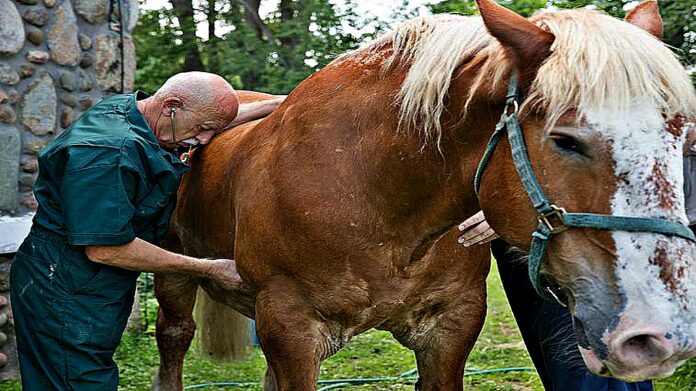

As a horse owner or rider, do you know your horse’s exact weight? Many of us don’t—but understanding your horse’s weight is absolutely crucial for their health, safety, and performance. Whether you’re calculating proper feed portions, determining the right dewormer dosage, or ensuring your weight-to-horse ratio is safe for riding, knowing your horse’s weight is essential information every equestrian should have.
Why Your Horse’s Weight Matters
Here’s a fact that might surprise you: your horse should weigh at least 5 times more than you do. This golden rule ensures you’re not putting excessive strain on your horse’s back, joints, and overall health. A horse carrying too much weight relative to its body size is at increased risk of injury, behavioral problems, and long-term soundness issues.
Beyond the rider-to-horse weight ratio, knowing your horse’s accurate weight is vital for:
- Calculating feed portions – Horses should eat roughly 1.5-2% of their body weight daily
- Determining dewormer doses – All medications are weight-dependent
- Monitoring health changes – Weight fluctuations can indicate illness or nutritional issues
- Training appropriately – Weight affects a horse’s athletic performance and recovery
The Gold Standard: Using an Equine Scale
Let’s be clear: the most accurate way to determine your horse’s weight is by using a livestock scale. Many veterinary clinics, equine facilities, and feed stores have scales available for use. If your horse needs medication dosing or you require an exact weight for competition or health reasons, this is your best option.
The Practical Alternative: Weight Estimation Methods
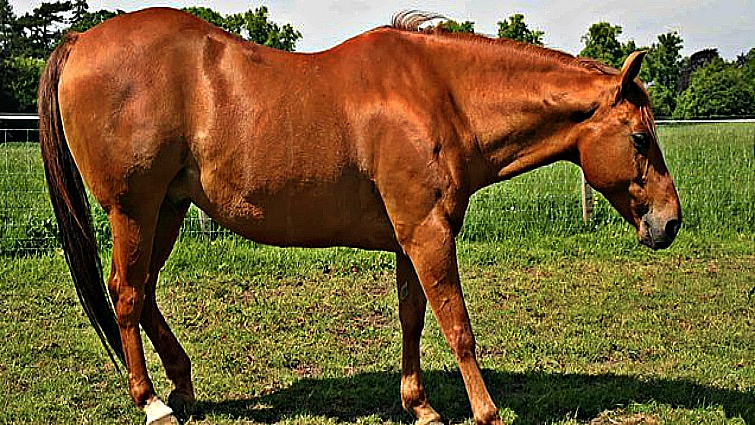
Not everyone has easy access to scales. That’s where weight estimation tools become invaluable for general management purposes. While not as precise as a scale, these methods are surprisingly accurate when done correctly.
Weight Tapes: Quick but Basic
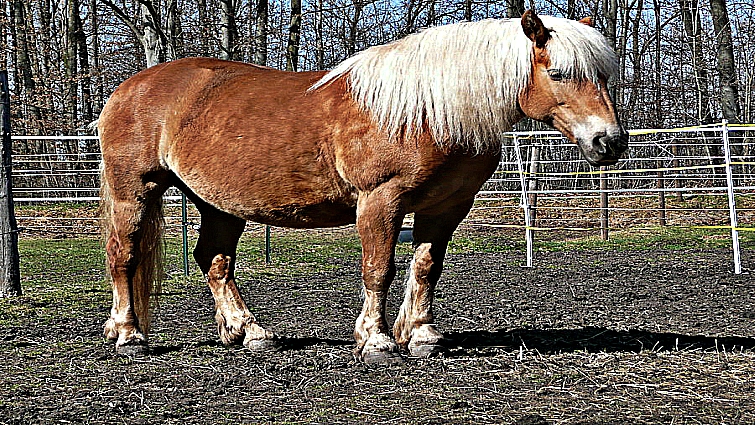
Weight tapes use only a horse’s heart girth measurement (the circumference around the horse’s barrel just behind the withers). They’re fast and convenient, but they have limitations—they don’t account for overall body length or individual variations in build.
Heart Girth + Body Length: More Accurate
Studies show that combining two measurements—heart girth AND body length—provides significantly more accurate weight estimates than tape alone. This dual-measurement approach accounts for the horse’s overall frame and gives you a much better picture of actual weight.

Try Our Adult Horse Weight Calculator
Ready to get an estimate of your horse’s weight? Check out the online Adult Horse Weight Calculator, which uses body measurements to give you a reasonable weight estimate for general management purposes.
Important Limitations to Know
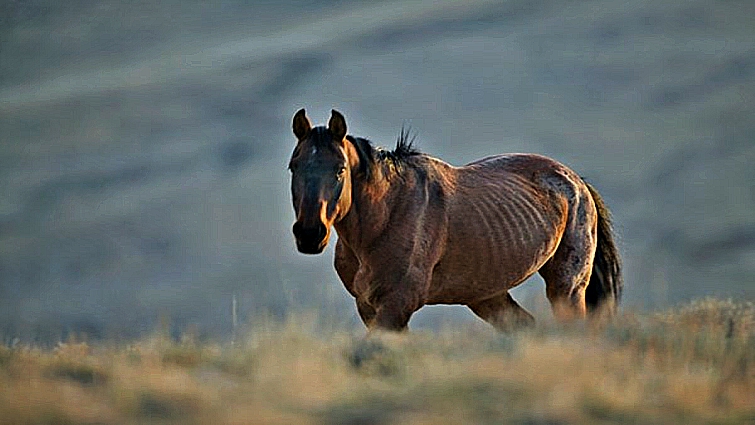
Here’s what every horse owner needs to understand: weight calculators and estimation tools are just that—estimates. They don’t account for:
- Individual body structure variations (stocky vs. lean breeds)
- Muscle mass vs. fat composition
- Age-related body changes
- Pregnancy or recent foaling
- Illness or recovery periods
These calculators are perfect for everyday management like estimating hay amounts or tracking general weight trends. But if you need an accurate weight for medical treatment, medication dosing, or competition requirements, you must use a scale.
Always Consult Your Veterinarian
While online calculators and estimation tools are helpful, they should never replace professional guidance. Your veterinarian understands your individual horse’s health situation, body type, and specific needs. Before making any significant changes to your horse’s diet, medication regimen, or ridden workload based on weight, consult with your vet.
They can help you determine if your horse is at an ideal weight, assess body condition score, and recommend the best approach for your specific situation.
The Bottom Line
Knowing your horse’s weight is one of the most important responsibilities of horse ownership. Use scales when accuracy is critical, leverage weight estimation tools for daily management, and always work with your veterinarian to ensure your horse’s health and safety. Your horse will thank you with better health, improved performance, and a longer, happier life at your side.