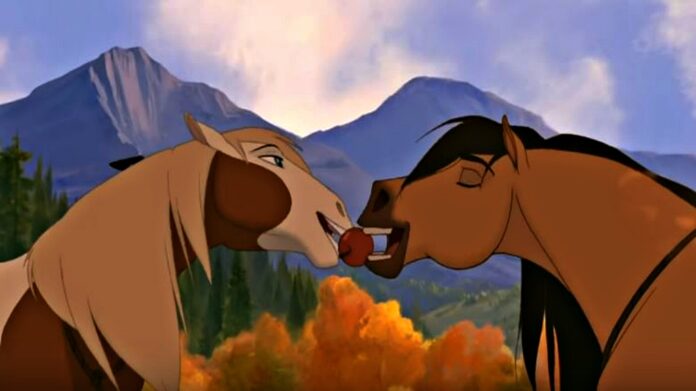

When Spirit: Stallion of the Cimarron galloped into theaters on May 24, 2002, it captured the hearts of millions of horse lovers worldwide. This stunning animated film stands apart in the realm of equine cinema, earning an Oscar nomination and ten additional prestigious awards—but its greatest achievement is the emotional connection it forged with audiences everywhere.
What makes Spirit truly exceptional is its commitment to authenticity. Unlike most animated horse movies that rely on human narration, this film features genuine animal sounds and body language recorded from real horses. This attention to detail brings Spirit’s world to life in a way that resonates deeply with anyone who understands equine behavior and psychology.
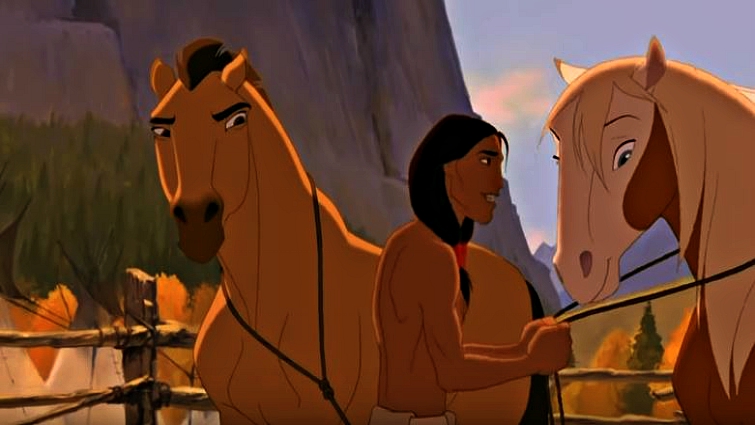
The film follows Spirit, a wild mustang stallion whose curiosity leads him into captivity at a U.S. Army fort—a heartbreaking turn of events that sets the stage for an incredible journey. What’s truly inspiring is Spirit’s unwavering determination to escape and return to his herd. Despite being held against his will, this magnificent stallion never loses hope, constantly seeking opportunities to regain his freedom and reclaim his wild, independent life.
The turning point comes when a compassionate Native American rescues Spirit, and together they travel back to rejoin his tribe. It’s a beautiful testament to the bond between humans and horses—showing that trust and understanding can transcend captivity and conflict.
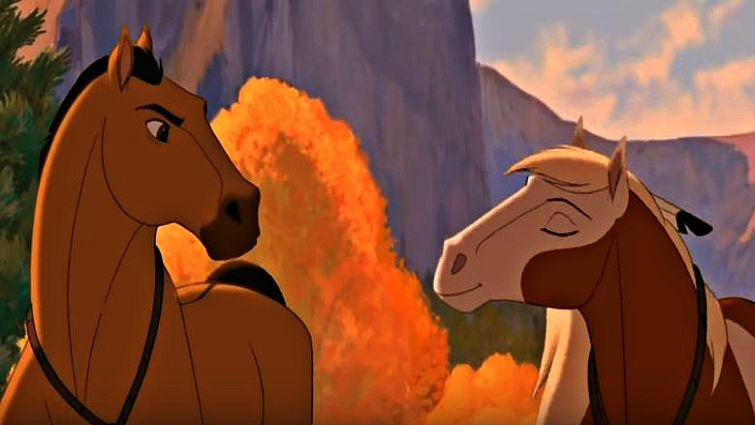
The Iconic “Teaching Spirit How to Behave” Scene
One scene in particular has captivated over 23 million viewers and earned its place as one of cinema’s most beautiful moments between human and horse. In the iconic sequence titled “Teaching Spirit how to behave,” audiences witness a powerful transformation built on patience, gentleness, and mutual respect.
This breathtaking scene demonstrates how a wild spirit can be touched—not through force or domination, but through understanding and love. Viewers have called it one of the most emotionally resonant moments in any film, animated or otherwise. The way the filmmakers capture the subtle shifts in Spirit’s demeanor and the Native American’s patient approach shows a profound understanding of horse-human interaction that genuine equestrians truly appreciate.
Whether you’re a lifelong horse enthusiast, an animator, or simply someone who believes in the power of storytelling, Spirit: Stallion of the Cimarron remains a timeless masterpiece. It celebrates the untamed spirit of horses, the beauty of freedom, and the transformative power of compassion. More than two decades after its release, this film continues to inspire viewers to see horses not as animals to control, but as sentient beings worthy of respect, patience, and love.
If you haven’t experienced Spirit recently, it’s well worth revisiting—or discovering for the first time. It’s a film that speaks to the heart of every horse lover.