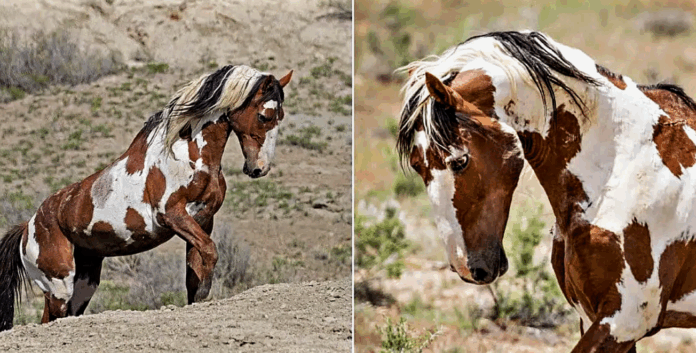

When we think of the American West, one image comes to mind: the wild and free Mustang. These magnificent horses have become living symbols of freedom, courage, and the untamed spirit that defined America’s frontier. Among the thousands of wild horses roaming the vast landscapes of the United States, one stallion stands apart—a horse whose striking appearance and legendary status have captivated horse enthusiasts worldwide. His name is Picasso, and he’s arguably America’s most famous wild mustang.
Meet Picasso: The Artistic Mustang of Sand Wash Basin
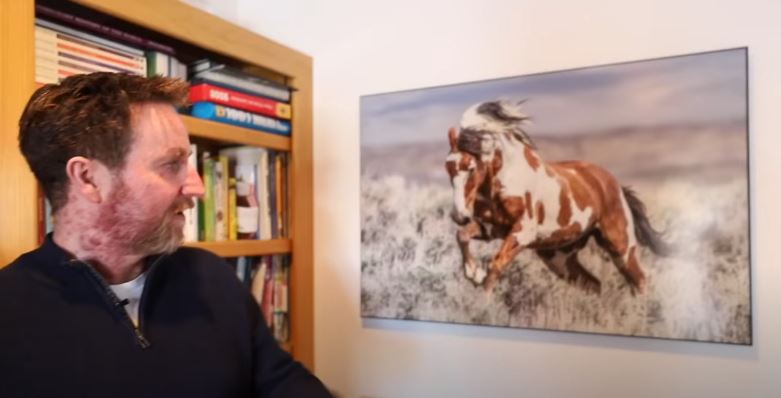
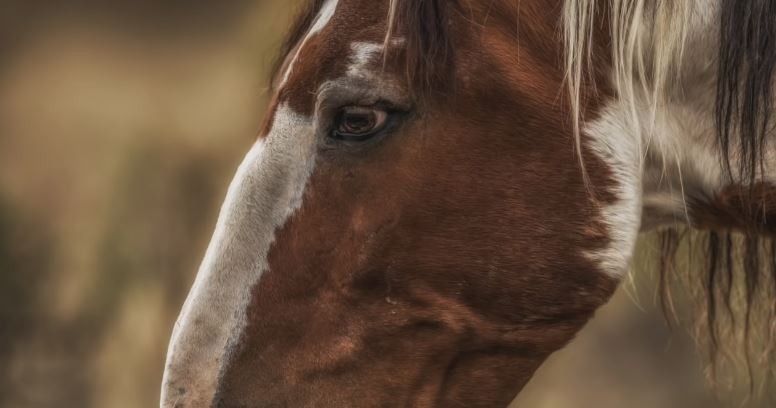
Picasso calls the Sand Wash Basin in northwest Colorado home, where approximately 700 wild horses roam freely across 157,000 acres of pristine national land. But among all these magnificent creatures, Picasso is unmistakably special. His remarkable pinto coloring—a striking blend of white and dark patches—looks as though an artist literally painted him onto the landscape. At around 30 years old, Picasso is one of the oldest wild mustangs still living in the basin, and his weathered appearance tells the incredible story of three decades spent wild and free.
A Life of Battles and Survival
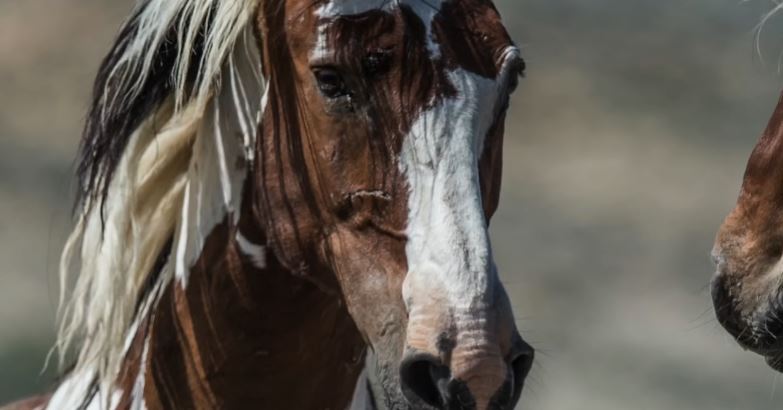
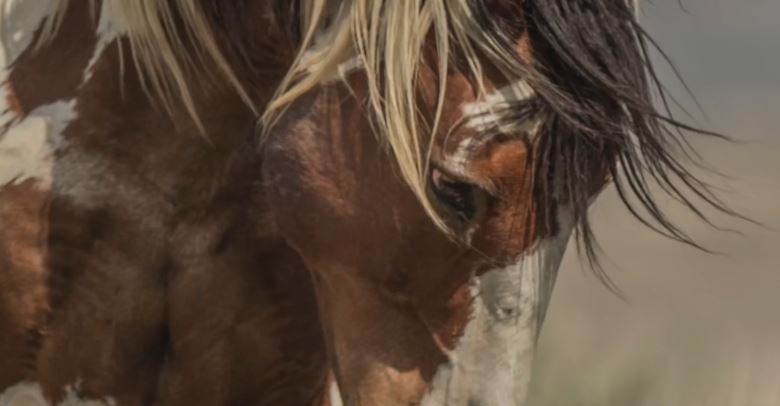
Picasso’s body is a testament to his unwavering spirit. His coat bears the scars and marks from countless battles with rival stallions, while his weathered face shows the effects of decades in the Colorado wilderness. Yet despite enduring harsh winters, scorching summers, and relentless challenges, this remarkable stallion has not only survived—he’s thrived.
What makes Picasso truly extraordinary is his fighting soul. Despite being smaller than many other stallions in the basin, his courage and determination have made him victorious in nearly every confrontation. He’s a living embodiment of strength, resilience, and the indomitable wild spirit that defines the American Mustang.
From Wild Horse to Global Celebrity
What started as the story of an ordinary wild horse has transformed into a worldwide phenomenon. Over the years, tourists, photographers, and mustang enthusiasts began documenting Picasso’s life, and his fame quickly exploded across social media. Today, fans actively follow his movements through Facebook groups and other platforms, sharing photos and updates from afar.
People travel from all corners of the world just to catch a glimpse of Picasso in his natural habitat. Some make weekly tours from the nearby town of Craig, while others undertake epic 2,000-mile journeys from Canada. His devoted followers have even mapped out his family tree and created art, poetry, and songs celebrating his legacy. In every sense of the word, Picasso has become a cultural icon—a symbol of wild freedom that resonates with horse lovers everywhere.
Love and Legacy in the Wild
Beyond his battles and survival, Picasso has also known love. Throughout his three decades in the basin, he’s fathered foals with various mares, but his most cherished companion was a mare named Mingo. The pair shared several years together, a beautiful reminder that even in the wild, horses form deep emotional bonds.
Their relationship showcased a softer side of this legendary stallion—one that balanced his fierce warrior spirit with genuine affection and loyalty.
A Living Legend
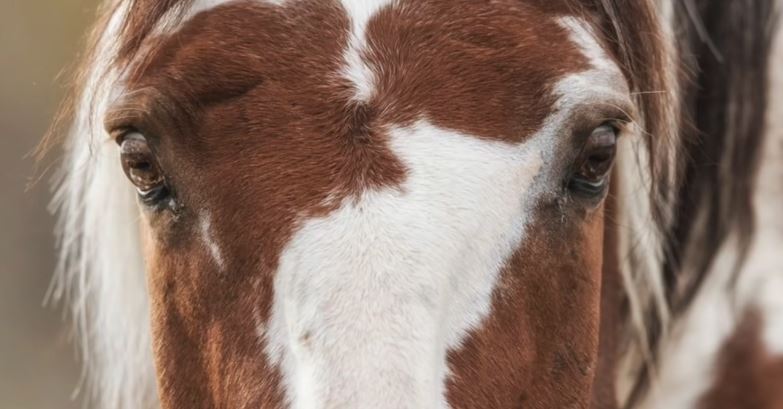
Even in his twilight years, Picasso continues to embody everything we admire about wild mustangs. He represents freedom, courage, determination, and the unbreakable spirit of the American West. While there are hundreds of wild horses in Sand Wash Basin, none possess the extraordinary presence that Picasso commands—both among his fellow horses and in the hearts of humans worldwide.
Picasso isn’t just a wild horse; he’s a living legend, a symbol of resilience, and a testament to the beauty and majesty of America’s untamed wilderness. For horse lovers and western enthusiasts alike, Picasso will forever represent the wild heart of the American frontier—a heart that refuses to be broken, no matter what challenges come its way.