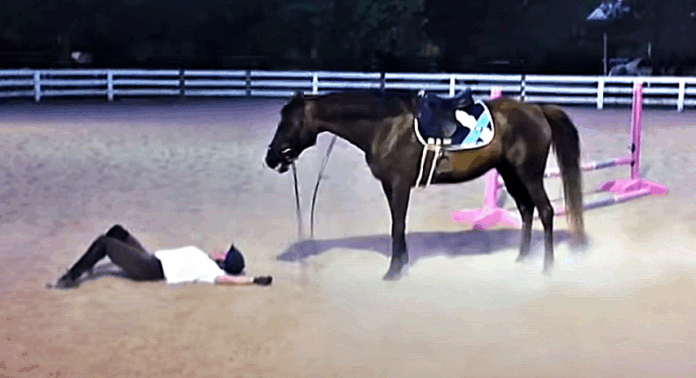

Every rider has experienced the unsettling moment when a horse decides to buck. Whether you’re a seasoned equestrian or just starting your journey in the saddle, understanding why horses buck is crucial for both safety and building a stronger bond with your horse.
What is Bucking and Why Do Horses Do It?
For those new to the equestrian world, bucking is a specific behavior where a horse plants both front feet firmly on the ground before explosively throwing its hindquarters upward. It’s a potentially dangerous habit that responsible trainers work to prevent and correct early in a horse’s training.
Interestingly, many horses never learn to buck because they’re never exposed to situations that trigger it. Young horses that are properly prepared for saddle training may buck once or twice out of nervousness, but they typically abandon the behavior once they realize it’s ineffective and become accustomed to their rider’s weight.
When Bucking Becomes a Problem
The real trouble starts when a young horse successfully bucks off a rider during early training. Once they discover they can unseat their rider through bucking, many horses continue using this tactic as a power play—establishing control over their human partner. However, there are several legitimate reasons horses buck that go beyond simple misbehavior:
- Pain or physical discomfort from ill-fitting saddles or underlying injuries
- Excitement and playfulness, especially in young horses
- Fear or anxiety in unfamiliar situations
- Other factors we’re still discovering through research and experience
A Heartwarming Tale of Regret: Jasper’s Story
The touching video below captures an extraordinary moment between a horse and his rider. After nine years together, this bond was tested when Jasper—who has a stifle injury—bucked off his long-time companion. What happens next is genuinely remarkable and will give you goosebumps.
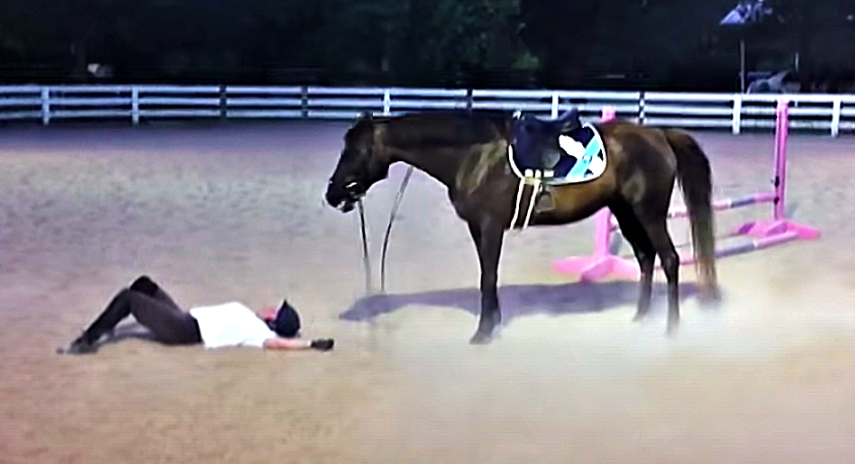
Despite bucking his rider off, Jasper appeared to feel genuine remorse for his actions. Rather than continuing to display aggressive behavior, he sought out his rider and demonstrated what many would call an apology. This beautiful moment reminds us that horses are sensitive, intelligent creatures capable of complex emotions.
The Bigger Picture: Understanding Our Horses
Jasper’s stifle injury likely caused him pain during the jump, leading to his defensive buck. Once he realized his beloved rider had fallen, his years of trust and partnership seemingly overrode any other impulse. This heartwarming interaction showcases why taking time to truly know your horse—understanding their physical needs, personality, and pain points—is essential to developing a safe and respectful relationship in the saddle.
Have you experienced a similar moment of connection with your horse? Share your stories in the comments below!