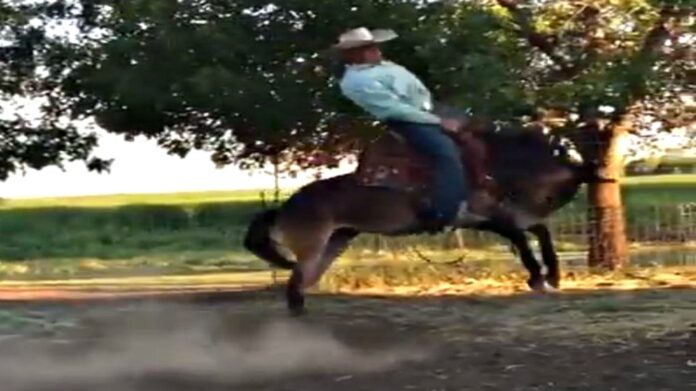

Bucking is one of the most thrilling—and potentially dangerous—behaviors you’ll encounter as an equestrian. Whether you’re a seasoned rider or just starting out, understanding why horses buck can make you a safer, more confident rider and help you build a stronger relationship with your horse.
The Many Reasons Behind the Buck
Horses don’t buck for just one reason. Some horses never buck under saddle—they simply don’t resort to this evasive tactic. Others might buck once or twice when you first mount up, then settle in nicely as the ride progresses. Then there are those horses that buck repeatedly during training but eventually give it up when they realize their rider won’t be deterred by their antics.
Here’s where it gets interesting: if a horse successfully bucks you off, they may learn that this is an effective way to gain control. Once they’ve experienced that “victory,” bucking can become a habitual evasion tactic that’s harder to break.
It’s Not Always Misbehavior
Before you assume your horse is just being stubborn, consider this—bucking can signal pain or discomfort. A poorly fitting saddle, an injury, or something irritating under the girth might be the real culprit. Always rule out physical issues first!
Confusing cues from the rider can also trigger bucking. Mixed signals leave horses confused and frustrated, with bucking as their only way to communicate their confusion. As riders, we sometimes inadvertently invite the buck ourselves through unclear communication or inconsistent training.
Learn From Real-Life Bucking Moments
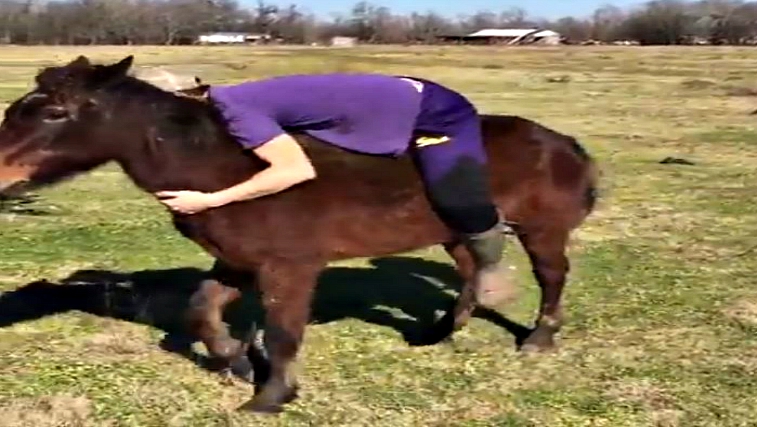
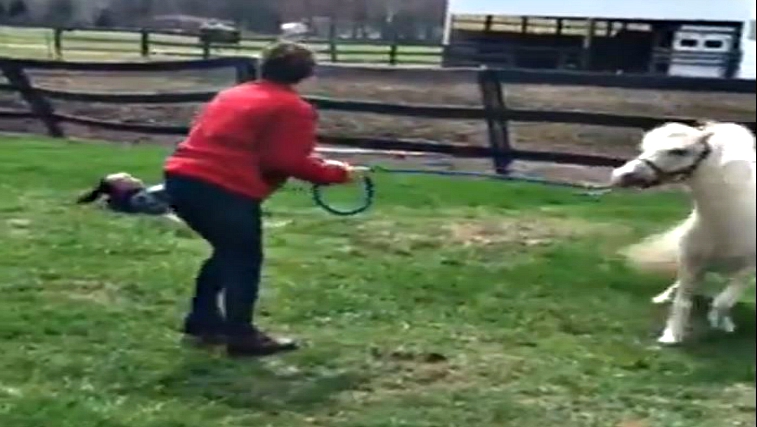
Nothing teaches quite like seeing it in action! Check out this hilarious compilation of bucking horses and riders dealing with the consequences. It’s a reminder that these moments happen to everyone—and sometimes they’re worth a good laugh (after everyone’s okay, of course!).
Preventing Bucking Before It Starts
The best approach is prevention. Ensure proper saddle fit, check for pain or soreness, and refine your riding cues to be clear and consistent. Start with a solid foundation of trust and groundwork. A horse that respects you and understands your signals is far less likely to resort to bucking.
If your horse does buck, staying calm and consistent with your training is key. Don’t give up—persistence shows your horse that bucking won’t work as an evasion tactic.
Stay Safe in the Saddle
While bucking incidents can be entertaining in hindsight, they’re a serious safety concern. Always wear a helmet, maintain your balance, and know when to seek professional help from an experienced trainer if bucking becomes a persistent problem.
Understanding equine behavior transforms you from a rider into a true horsemanship enthusiast. Every buck is your horse trying to communicate—your job is to listen and respond appropriately!