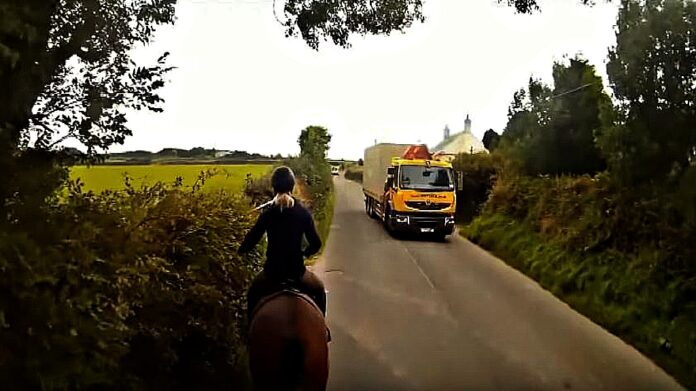

Every time a horse and rider venture onto public roads, they’re taking a calculated risk. Unfortunately, the dangers are very real. This powerful awareness video is designed to educate drivers about sharing the road with equestrians and understanding the critical speed limits and safe practices required when encountering horses.
Understanding Driving Offenses That Cause Fatalities
When it comes to serious driving offenses, two categories stand out: dangerous driving and careless or inconsiderate driving. What matters most isn’t what drivers believe they’re doing—it’s their actual behavior on the road. A driver can be committing a dangerous driving offense while genuinely believing they’re driving safely. The law doesn’t care about intentions; it focuses on actions and their consequences.
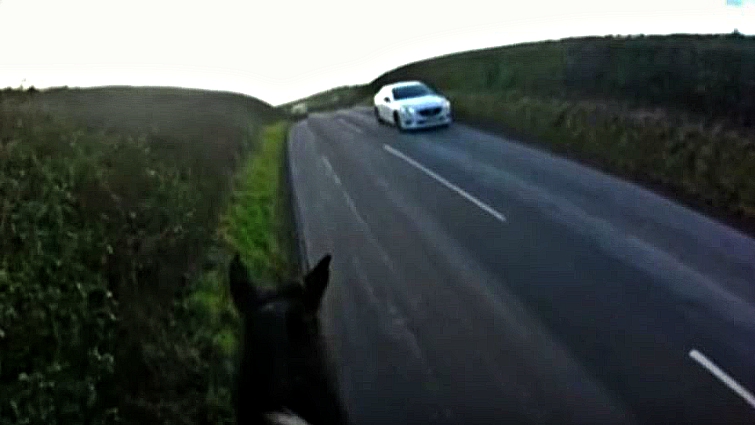
What Constitutes Dangerous Driving?
According to traffic laws, a person drives dangerously when:
- Their driving falls significantly below the minimum acceptable standard expected of a competent, careful driver
- It would be obvious to any reasonable driver that such behavior would be dangerous
Court cases have established several patterns of dangerous driving behavior that put vulnerable road users—like horse riders—at serious risk:
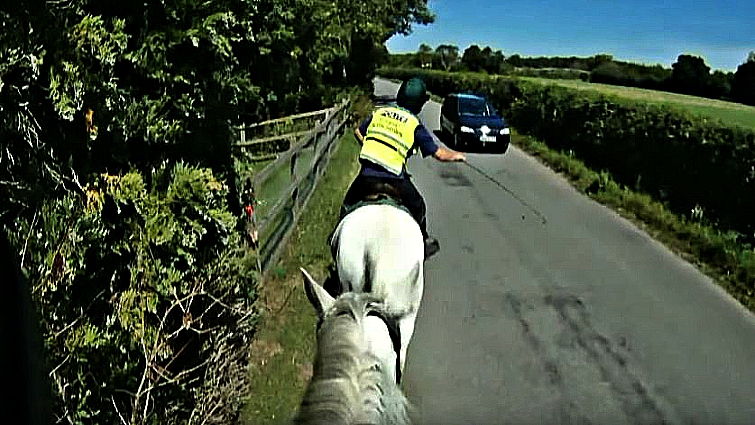
- Speed violations: Racing, driving excessively fast, or aggressive acceleration
- Reckless behavior: Ignoring traffic lights, road signs, or warnings from passengers
- Dangerous overtaking: Passing vehicles unsafely, especially on narrow roads where horses are present
- Impaired driving: Operating a vehicle under the influence of alcohol, drugs (including prescription medications), or both
- Unfit to drive: Driving while injured, unable to see clearly, sleep-deprived, or without required medications
The Serious Consequences of Dangerous Driving
The penalties for dangerous driving can be severe and life-altering. In extreme cases involving fatalities, drivers can face lifetime imprisonment. Even less severe convictions carry substantial fines, license suspension, and a permanent criminal record that affects employment and insurance rates.
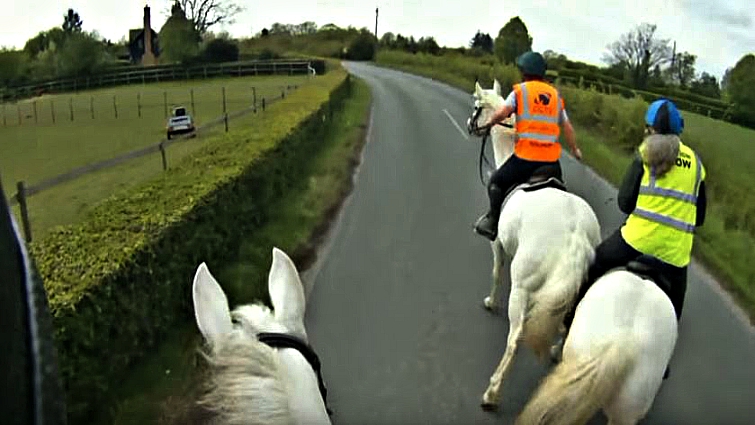
Protecting Horse Riders and Yourself
There’s absolutely no reason to take these kinds of risks on the road. Whether you’re a driver who occasionally encounters horse riders or someone who regularly shares the road with equestrians, responsible behavior is essential.
For drivers encountering horses:
- Slow down immediately and be prepared to stop
- Never honk or make sudden loud noises
- Pass wide and slowly, giving the horse plenty of space
- Be extra cautious in poor weather or low-light conditions
Being responsible behind the wheel protects not only the horse and rider sharing the road with you—it protects you, your passengers, and your future. The few seconds you save by driving recklessly are never worth the devastating consequences of an accident involving a horse and rider.
Let’s commit to making our roads safer for everyone, hoofed or not.