

Let’s talk about a topic that stirs up strong emotions in the horse community: how horses respond when they’re treated poorly or handled by inexperienced people. It’s a nuanced subject that deserves our attention and understanding.
There’s a significant difference between people who genuinely lack horse knowledge and those who deliberately mistreat animals. When an educated horse person encounters a kick or aggressive response, we often feel sympathetic—they were probably in the wrong place at the wrong time. But when someone who consistently abuses horses gets a defensive reaction? That’s a different story entirely. Horses are intelligent, sentient beings who deserve respect and proper care.
The Reality of Horse Care and Livelihood
Here’s where things get complicated. Some people make their living working with horses but cut corners on animal care. While we understand that people need to feed their families, mistreating animals is never the answer. These individuals need to find ethical alternatives that don’t compromise equine welfare. There’s no excuse for neglect, and sadly, many perpetrators face little to no consequences for their actions.
When Horses Teach Valuable Lessons
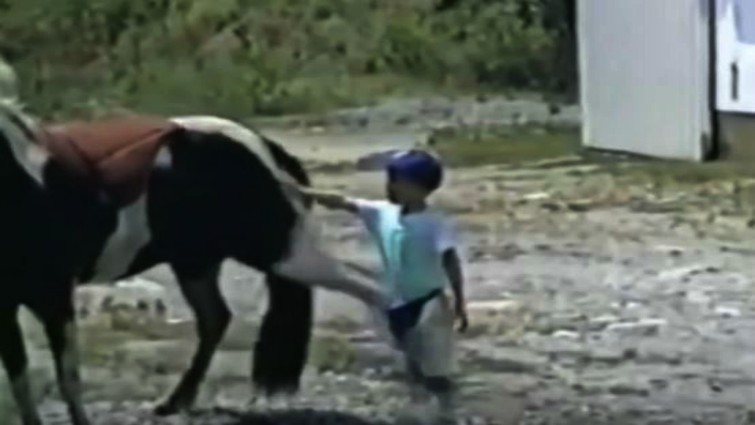
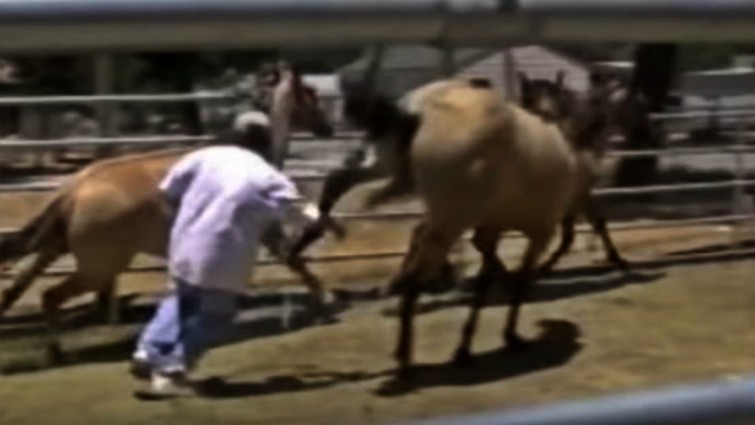
The powerful video below showcases horses standing up for themselves—and honestly? Some of these reactions are perfectly deserved. When humans fail to teach respect through proper training and handling, horses sometimes take matters into their own hooves. It’s nature’s way of establishing boundaries.
Important Context: Accidents Happen
Before we judge every incident, remember this: horses are prey animals with natural defensive instincts. Accidents happen to experienced riders and handlers too. Children who simply want to pet a horse they encounter, or curious visitors who don’t understand equine behavior—these people shouldn’t be lumped in with actual abusers. Horses have their own days where they’re reactive or protective, just like humans have bad moods.

Distinguishing Between Abuse and Accident
When you watch videos of horse reactions, it becomes clear which incidents involve deliberate abuse and which are genuine accidents. The aggressive trainer with a whip is different from the child who startled a protective mare. The neglectful handler is different from the experienced person who simply misjudged a horse’s mood.
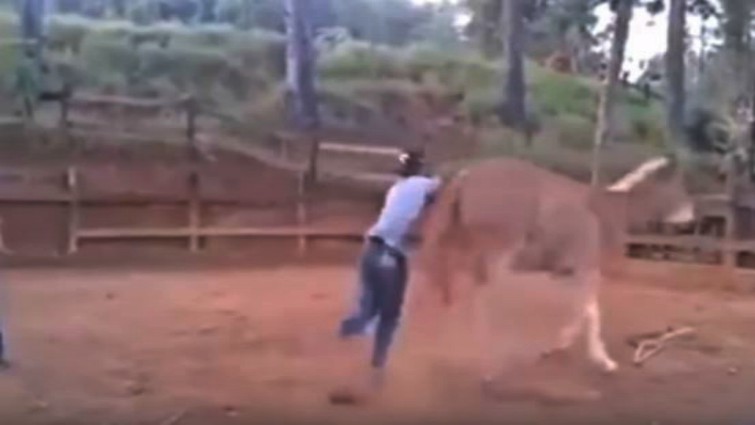
We invite you to watch the footage above and share your thoughts in the comments. Focus on identifying the situations where horses’ reactions were genuinely warranted—where they were defending themselves against actual mistreatment. That’s the conversation we should be having as a community of horse lovers.

At the end of the day, horses deserve our respect, proper handling, and quality care. When we fail to provide these basics, we shouldn’t be surprised by their defensive responses. They’re not being mean—they’re being horses. And that’s something we all need to understand and appreciate.