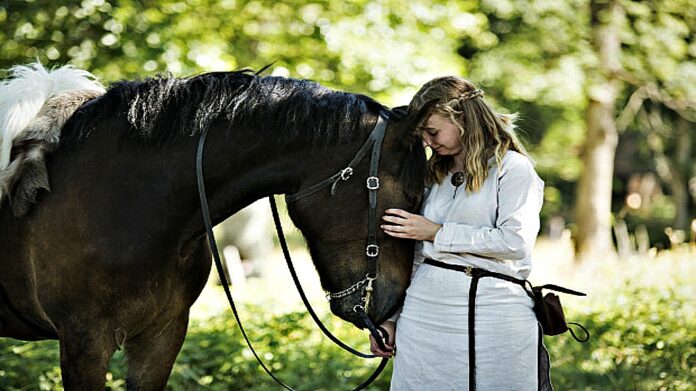

Ask any horse lover if their horse loves them, and you’ll get an enthusiastic “absolutely!” But here’s the thing—even scientists struggle to understand love between humans, let alone between species. So what does the science actually tell us about our equine partners’ feelings toward us?
The Challenge of Understanding Horse Emotions
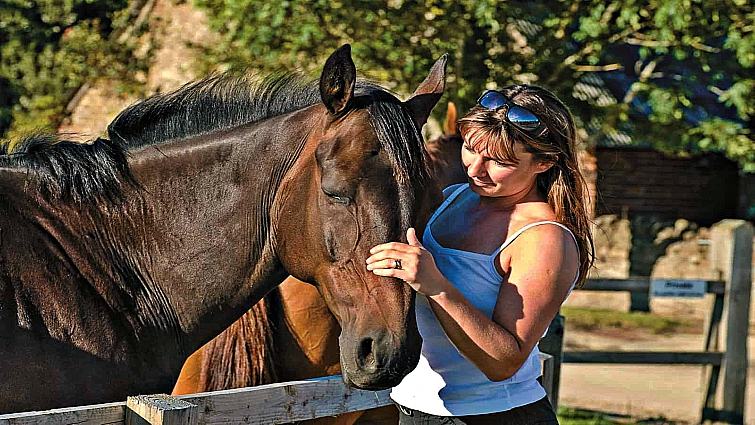
While behavior science has made incredible strides in understanding equine cognition, researchers haven’t definitively proven that horses experience love the way we do. But that doesn’t mean they don’t feel something special toward us.
Here’s what complicates the picture: many behaviors we interpret as love can be explained by natural selection and survival instincts. Horses are inherently social animals—that sociality provides protection from predators and increases their chances of survival and reproduction. It’s brilliant evolutionary strategy, but is it love? Science still can’t say for certain.
Those Sweet Behaviors That Melt Our Hearts
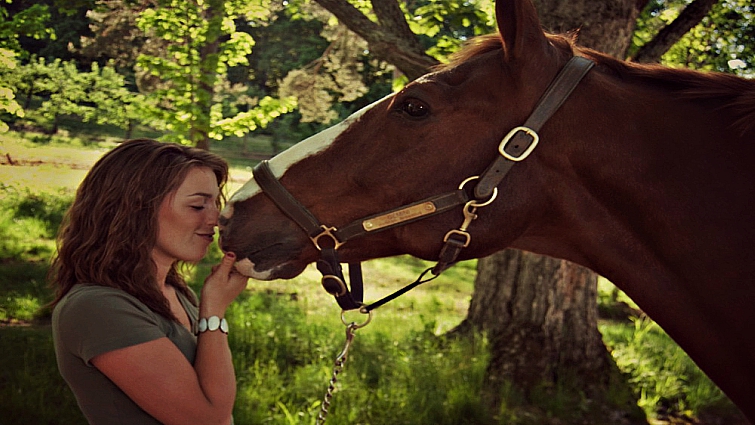
You know those moments that make you swear your horse adores you? Your horse responding only to your call, seeking your attention above all else, preferring to stay near you rather than with their herd, or showing remarkable obedience. These behaviors absolutely feel like love!
However, behavior scientists explain these same actions differently. They often develop through reinforcement and association: “This is the person who feeds me,” or “If I stick around, I’ll get scratched or given treats.” From a purely scientific standpoint, your horse may be showing attachment rather than the emotional love we humans experience.
The Science of Equine Attachment
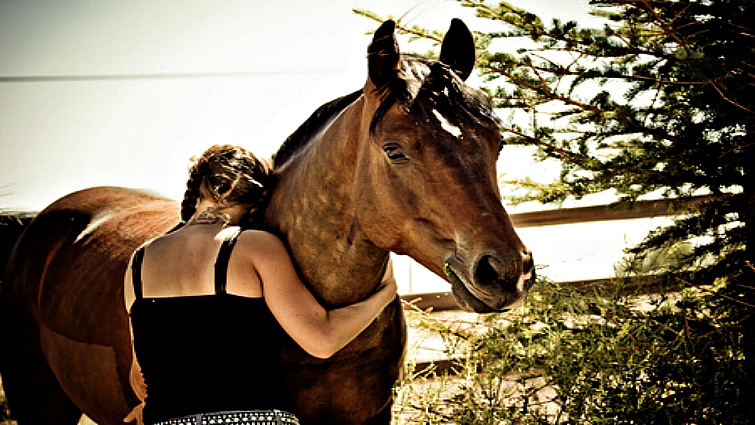
So how can we study emotions in horses? Researchers are exploring several promising approaches:
- Measurable physical responses: Changes in heart rate, relaxation behaviors, and other physiological indicators when horses interact with their humans
- Equine cognition research: Studies showing horses can learn through thinking and understanding suggest they possess more complex mental lives than we once believed
- Neurochemical approaches: Since horses sometimes respond positively to human psychotropic medications (used for behavioral issues), scientists may be able to study emotions through brain chemistry and activity patterns
Understanding Your Horse’s World
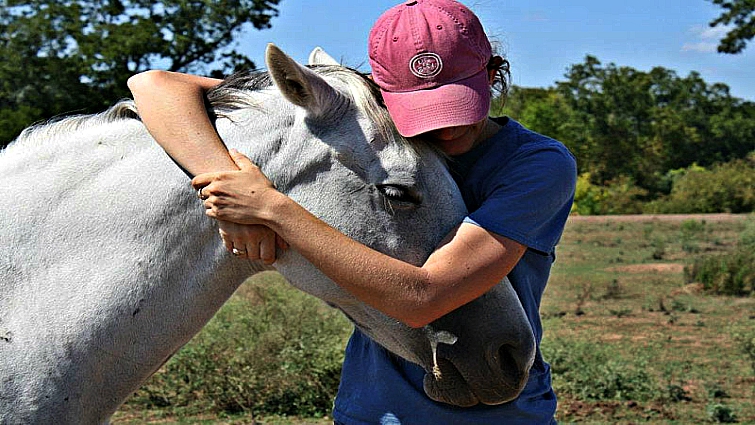
Here’s something crucial to remember: horses don’t experience the world the way we do. They have different priorities, different perceptual abilities, and their own complex system of behaviors and environmental responses. This fundamental difference makes it incredibly difficult for us to truly understand what emotions horses experience and how they express them.
A horse’s “love” might not look like human love at all. And that’s okay.
Does It Matter If It’s Really Love?
At the end of the day, perhaps the question itself matters less than what it drives us to do. The belief that our horse cares about us brings us profound joy. That joy and connection likely inspire us to prioritize our horse’s welfare above almost everything else. We become better horse owners because we feel that bond.
But here’s our gentle caution: while celebrating your special connection with your horse, avoid attributing purely human emotions to them. Seeing your horse as a horse—not as a furry human—is essential for making sound management decisions based on their actual physical and behavioral needs.
Your horse may not love you in the romantic way you love them. But the behaviors, the responsiveness, the preference for your company? Those are real. And in the equestrian world, that’s its own beautiful kind of magic.