

We’ve all heard the saying: “a good horse is never a bad color.” And while that’s absolutely true, there’s something extra special about finding a horse that’s both exceptional and strikingly beautiful. Turns out, ancient horse domesticators felt the same way!
According to researchers at the Leibniz Institute for Zoo and Wildlife Research in Berlin, horses 5,500 years ago were all a drab brown color—much like the Przewalski’s horses we see today. But once humans entered the picture, everything changed. Through selective breeding and careful genetic selection, breeders intentionally developed the rainbow of colors we admire in horses today. Pretty amazing, right?
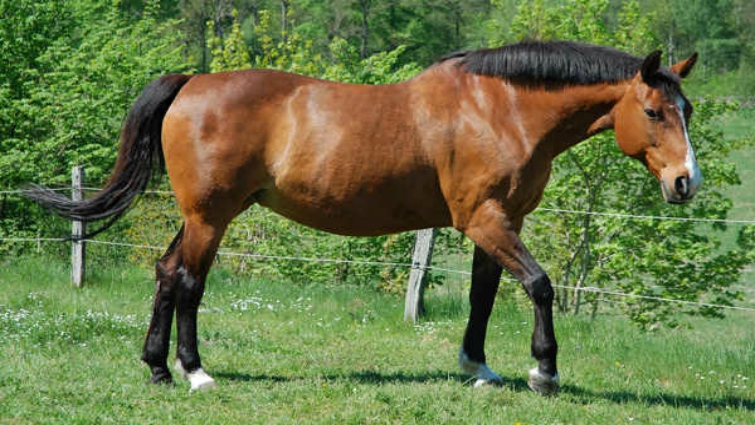
Understanding Horse Coat Color Genetics
Remember genetics class? Well, buckle up—we’re about to break down how horse colors work at the genetic level. Your horse’s genes determine everything about their appearance, including coat color, and these genes are passed down from generation to generation through chromosomes.
Here’s where it gets interesting: each gene has a specific location on a chromosome called a locus. At each locus, there are two alleles—basically alternate versions of the same gene. Think of alleles as different “settings” for a trait.
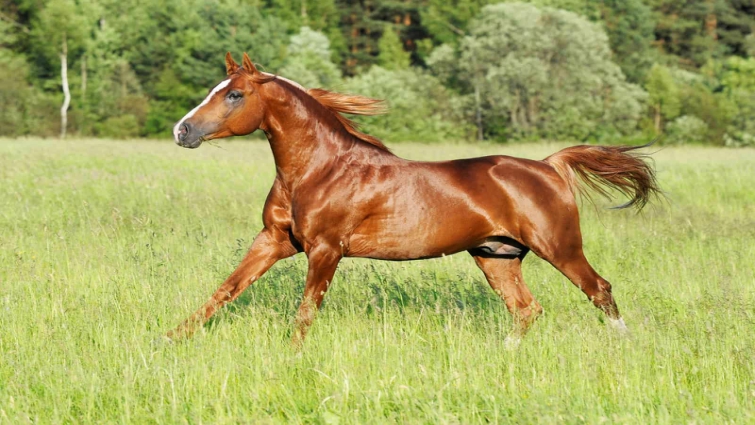
Dominant and Recessive Traits
A dominant allele masks the traits of a recessive allele (the unexpressed one). The way these two alleles pair up determines which traits your horse actually shows. It’s like a game of genetic dominoes!
When a horse carries two identical alleles—either both dominant or both recessive—they’re homozygous for that trait. If they carry one of each, they’re heterozygous. This combination is what creates the incredible diversity of colors we see in the show ring and pasture.
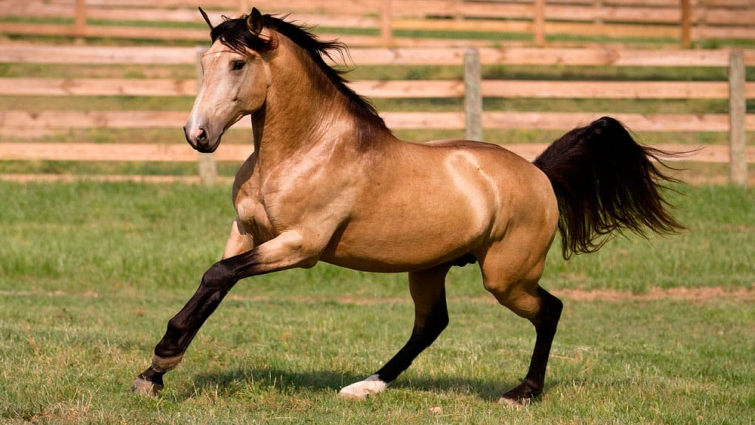
The Evolution of Horse Colors
While the genetics might sound complicated at first, it really boils down to this: evolution and genetic variation are the driving forces behind the stunning array of horse colors we enjoy today. From bays and chestnuts to palominos, grays, and exotic patterns like appaloosas and paints, each color tells a genetic story.
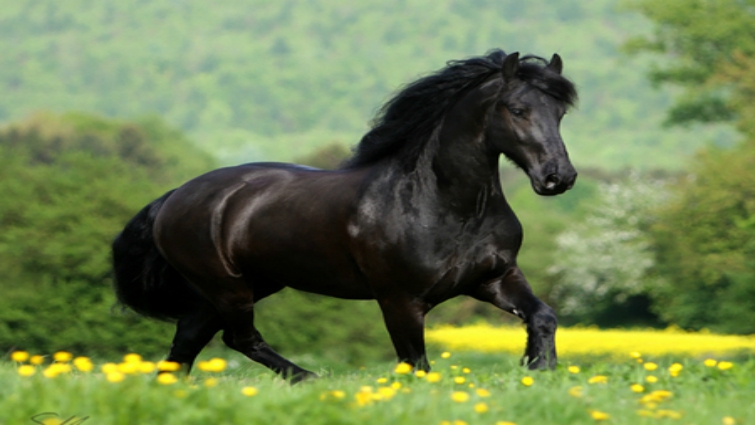
So the next time you admire a gorgeous dappled gray or a striking cremello, remember that centuries of selective breeding and genetic knowledge went into creating that beauty. And while a good horse is indeed never a bad color, understanding the science behind what makes a horse uniquely colored just makes them even more special!