
What once seemed like pure science fiction has become reality in the equestrian world. Today, hundreds of cloned horses are competing, breeding, and thriving across the globe. But as this technology becomes more common, it’s natural to have questions. Is cloning ethical? How much does it cost? Can clones compete? Let’s explore everything you need to know about horse cloning.

How Much Does It Cost to Clone a Horse?
The price tag for cloning a horse is steep—around $150,000 per clone. For most of us, that’s an astronomical investment. However, for breeders working with genetically superior horses valued at millions of dollars, the cost becomes more manageable. Think of it as securing the genetics of a proven champion for future generations. For elite breeders, that price represents an opportunity to preserve and replicate exceptional bloodlines.

Can You Register Cloned Horses with Breed Associations?
Here’s where things get complicated. Many major horse associations, including the American Quarter Horse Association (AQHA), prohibit the registration of clones. Their reasoning? Clones don’t contribute to genetic diversity or improve the breed’s overall health and longevity. Different organizations have varying stances on cloning, so if you’re interested in competing with a cloned horse, you’ll need to research your specific breed association’s policies.

What’s the Success Rate of Horse Cloning?
If you’re considering cloning, understand that this isn’t a guaranteed process. The success rate hovers around just 12%. Scientists typically need to create roughly a dozen embryos and implant them into three or four surrogate mares to successfully produce a single viable clone. It’s a numbers game that requires patience, resources, and realistic expectations.
Do Cloned Foals Develop Normally?
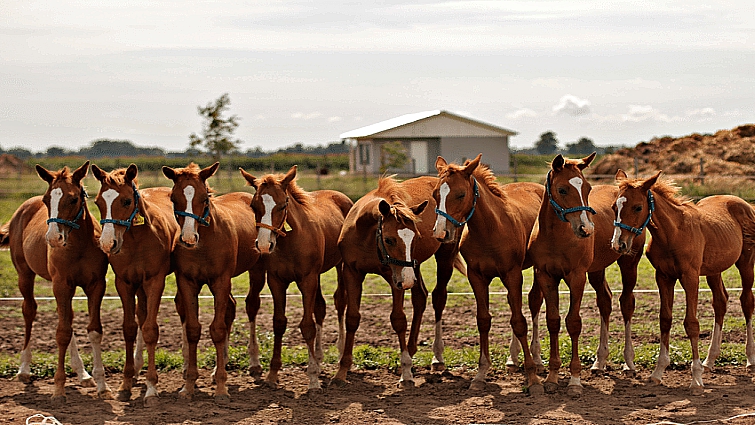
This is perhaps the most concerning aspect of horse cloning. Experts report that between 5% to 50% of cloned foals experience birth defects. The wide range in these estimates reflects the complexity and variability of the cloning process. Potential issues can range from minor complications to serious health concerns, which raises important ethical questions about the welfare of cloned animals.
Which Equestrian Sports Embrace Cloning Technology?
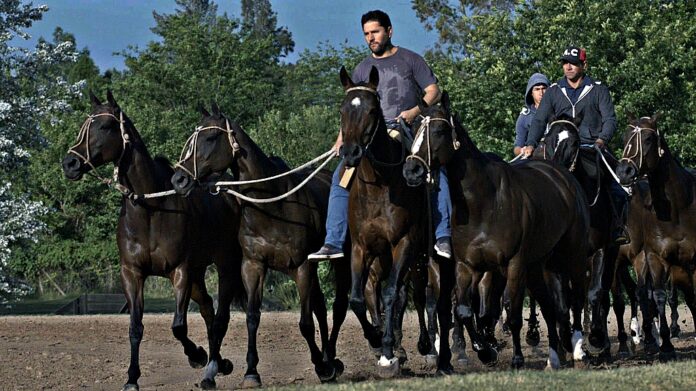
Polo stands out as the sport most actively using cloning and other advanced reproductive technologies. Why? Most polo ponies are mares that cannot be naturally bred while competing at their peak. Traditionally, polo breeders have relied on embryo transfer to preserve superior genetics during a mare’s active career. Cloning simply takes this concept further, allowing breeders to replicate the exact genetic makeup of exceptional polo ponies without waiting for retirement.

The Bottom Line
Horse cloning represents a fascinating frontier in equestrian breeding, but it’s not without controversy or challenges. The high costs, low success rates, potential health issues, and breed registration complications mean that cloning isn’t a practical solution for most horse owners. However, for elite breeders and sports like polo where preserving elite genetics is paramount, cloning offers a compelling option worth the investment.
As the technology evolves and improves, we may see more widespread adoption—or stricter regulations. Either way, one thing is certain: horse cloning is no longer the stuff of science fiction. It’s here, it’s real, and it’s shaping the future of equestrian sport.