
When Weight Loss Goes Wrong: Morgan’s Health Crisis
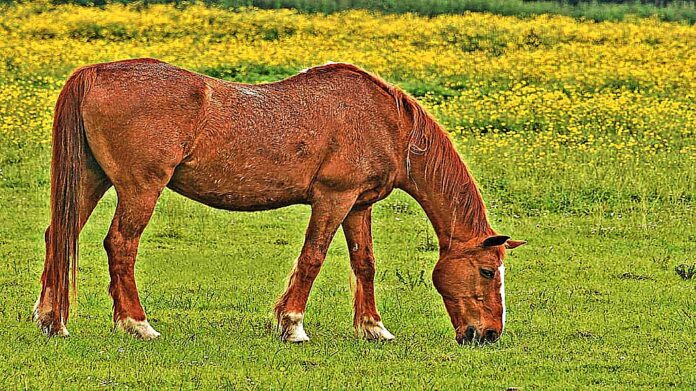
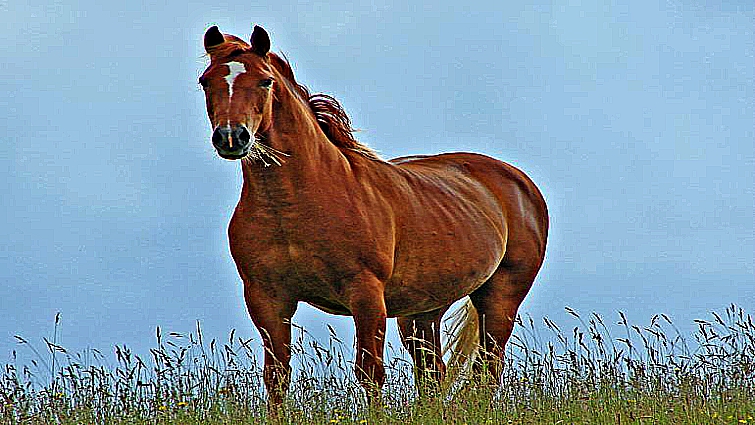
Every horse owner wants their equine companion to be healthy and fit. But sometimes, the path to better health takes an unexpected turn. Morgan’s story is a powerful reminder that dramatic weight loss in senior horses requires careful monitoring, patience, and professional guidance.
The Beginning: A Well-Intentioned Diet Plan
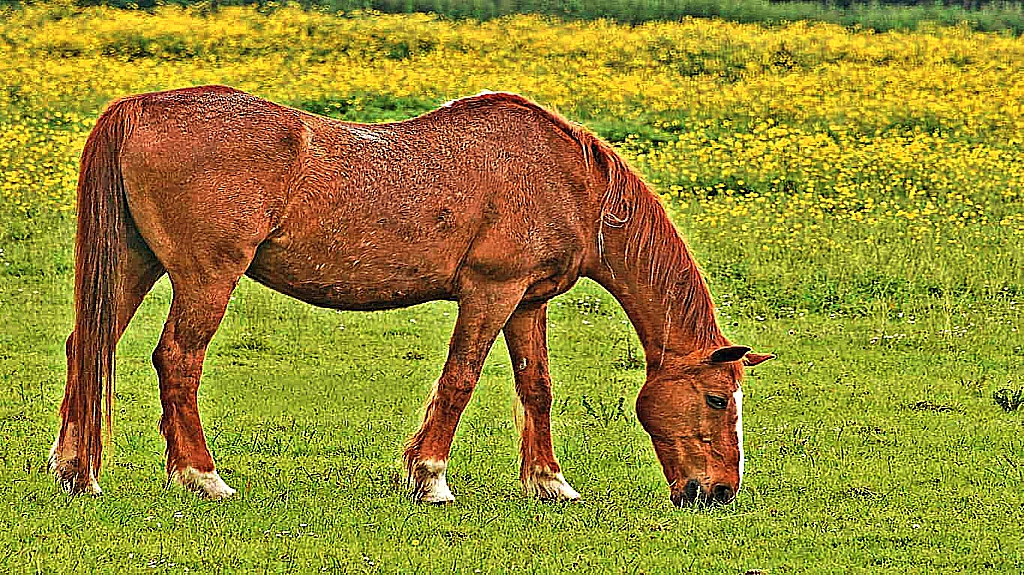
At 20 years old, Morgan was carrying extra weight, and his owner’s veterinarian raised a concern about a potential metabolic disease. The solution seemed straightforward: implement a restricted diet to help him slim down. Following their vet’s advice, Morgan’s owner made significant changes to his feeding program. Out went the beet pulp and senior feed, replaced with grass hay and a ration balancer—a nutrient-dense supplement designed to support weight management while maintaining essential nutrition.
But Morgan had other ideas. The senior horse simply didn’t like his new diet, and his eating habits reflected his displeasure.
The Unexpected Complication
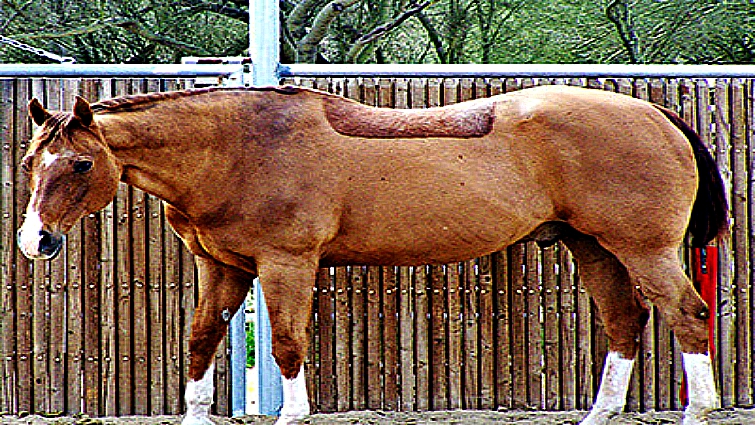
Then things took a troubling turn. Morgan stopped eating his hay altogether. His weight dropped dramatically, and what once seemed like a necessary health intervention had transformed into a concerning crisis. The rapid weight loss left his owner and veterinarian scrambling to understand what was happening.
During Morgan’s annual dental examination—a routine check that’s absolutely crucial for senior horses—the source of the problem was finally identified. Morgan had developed a painful abscess beneath one of his teeth, along with painful cheek ulcers. No wonder he wasn’t eating! Dental pain is one of the most overlooked causes of weight loss and eating problems in older horses.
Treatment and the Road to Recovery
Following dental treatment, Morgan was prescribed non-steroidal anti-inflammatory medication (firocoxib) and antibiotics to address the infection. These medications are standard post-dental care for horses dealing with abscesses and ulcerations. However, even with this treatment regimen in place, Morgan’s appetite remained stubbornly poor.
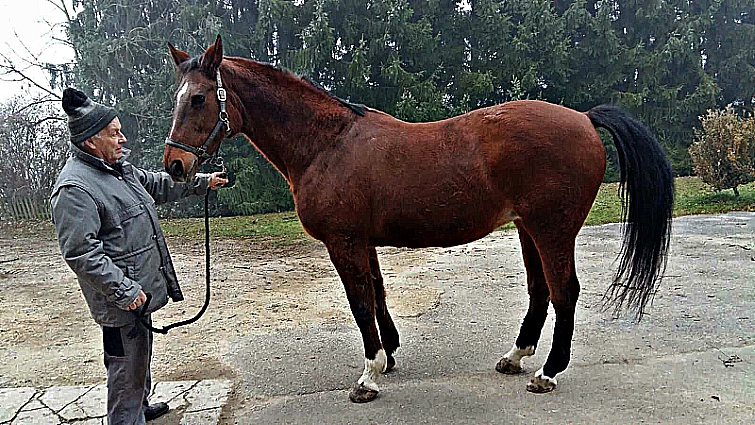
Now the veterinary team faces a new challenge: Morgan is significantly underweight and needs to gain weight to return to his ideal body condition score. His vet emphasizes that he must start eating more, but reversing rapid weight loss in a senior horse is a delicate process that can’t be rushed.
Key Lessons From Morgan’s Experience
Rapid weight loss is risky for horses—just as it is for humans. Morgan’s situation illustrates why gradual, sustainable weight management is always preferable to dramatic diet changes. When a horse loses too much weight too quickly, it can mask underlying health issues and create its own set of problems.
For senior horses especially, maintaining a healthy weight balance requires:
- Regular dental checkups: Dental disease is far more common in older horses and directly impacts their ability to eat and maintain weight.
- Gradual diet transitions: Changes to feeding programs should happen slowly over several weeks, not overnight.
- Close veterinary monitoring: Weight loss plans need professional oversight to ensure they’re working and not causing complications.
- Nutrition-focused solutions: High-quality hay, ration balancers, and supplements should be chosen for both palatability and nutritional value.
- Patience: Getting weight right takes time, especially when correcting for past mistakes.
Moving Forward
Morgan’s story isn’t finished yet, but it’s teaching his owner—and all of us in the horse community—valuable lessons about the importance of balanced, thoughtful approaches to equine health. Whether dealing with weight management, metabolic concerns, or senior horse care, success comes from working closely with your veterinarian, making gradual changes, and staying attuned to your horse’s individual needs and preferences.
If you’re managing a senior horse’s weight, take Morgan’s journey to heart. Your horse will thank you for taking the slow, steady, and safe route to better health.