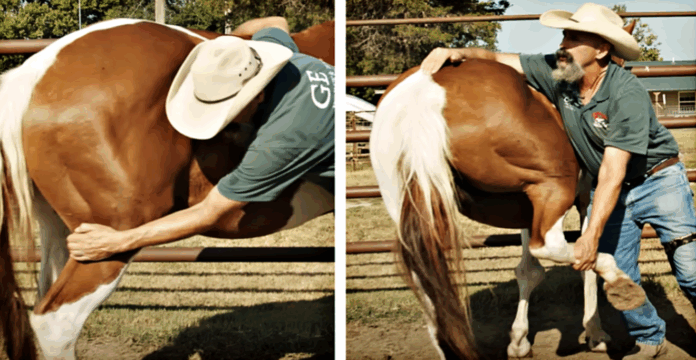

Understanding Why Horses Kick
Horse kicking is one of the most dangerous behaviors horse owners and handlers face. Whether you’re dealing with a young, spirited horse or an older equine with behavioral issues, understanding the root causes of kicking is your first step toward solving the problem.
Horses kick for several reasons—and identifying which one applies to your horse is crucial. Fear is a big one: when horses feel threatened or anxious, they may lash out defensively. Aggression, pain, and frustration are equally common culprits. A horse struggling to understand a command or uncomfortable with a particular task might kick as a way to express frustration. And let’s not forget about physical discomfort—a horse experiencing pain in its legs, hooves, or joints will kick to find relief.
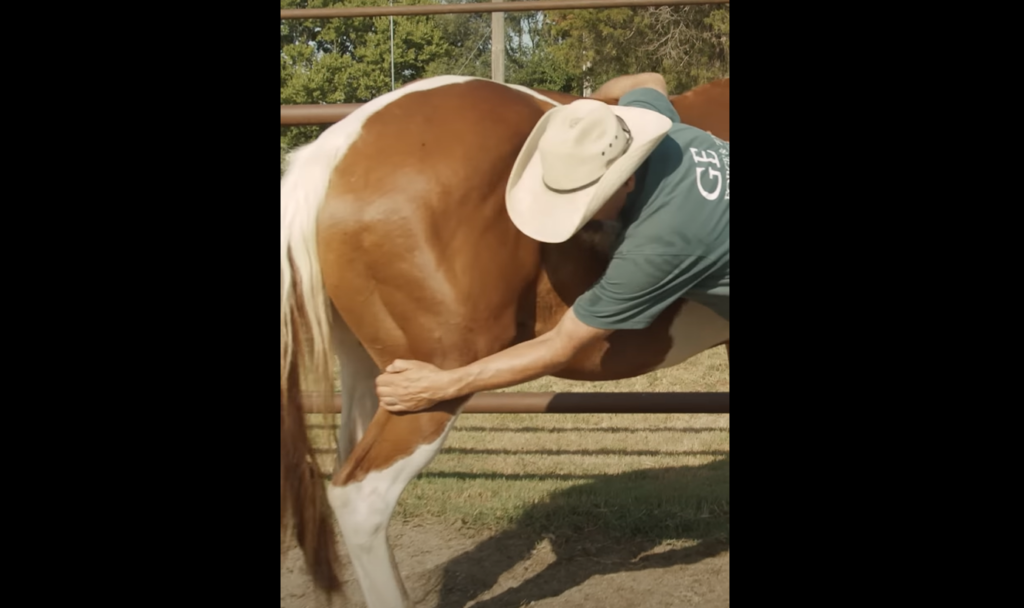
Proper Training and Handling Make All the Difference
The foundation of preventing kicking behavior starts with solid horsemanship. Horses thrive with proper socialization and training that builds trust rather than fear. Expose your horse to different environments, people, and stimuli in a positive, controlled way. This helps them develop confidence and reduces reactive behaviors like kicking.
Equally important is establishing clear boundaries and teaching your horse what’s expected. A well-trained horse understands the difference between acceptable and unacceptable behavior—and responds accordingly.
Don’t Ignore Medical Issues
Before assuming you have a behavioral problem, always rule out pain and discomfort. Schedule a veterinary check-up and have your farrier assess your horse’s hooves and legs. Many kicking issues stem from underlying pain that training alone won’t fix. Once you’ve addressed any medical concerns, behavioral training becomes far more effective.
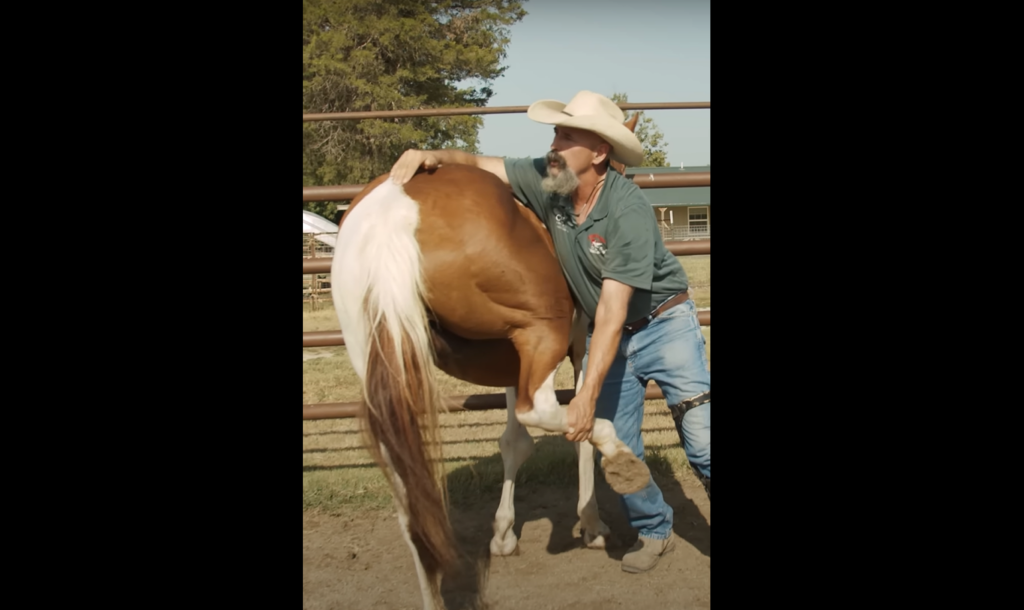
Reading Your Horse’s Body Language
Learning to recognize warning signs can keep you safe before a kick happens. Watch for:
- Pinned ears – a clear sign of irritation or aggression
- Raised or swishing tail – agitation and frustration
- Tense body posture – the horse is preparing to react
- Shifting weight to hind legs – literally getting ready to kick
When you notice these signs, give your horse space and time to settle. Never corner a horse or stand directly behind them where they feel trapped—this is an invitation for a kick.
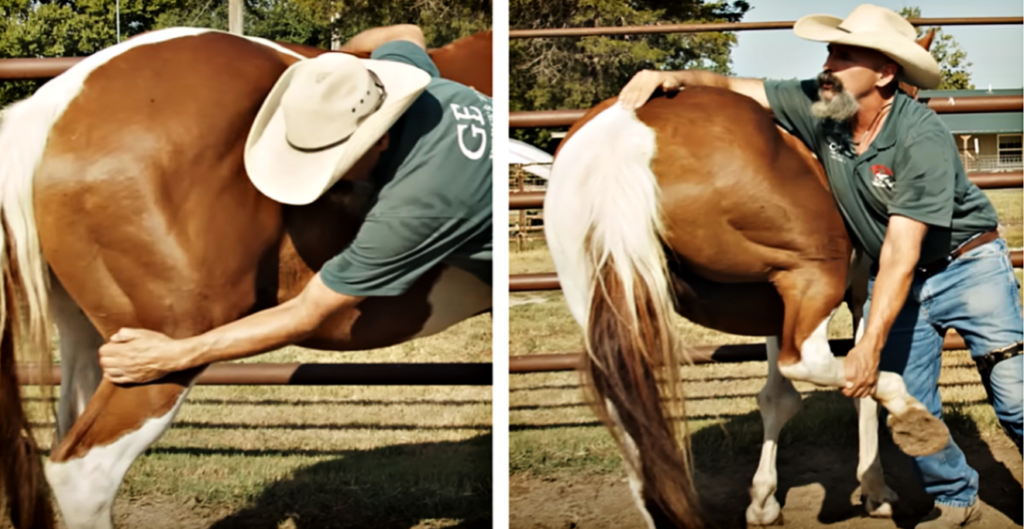
Watch a Pro in Action
Hoof trimming is one of the most common situations where horses kick. A skilled farrier knows how to read the horse, stay safe, and handle the situation with confidence and respect. In the video below, you’ll see an expert farrier demonstrate proper techniques for working with a challenging horse:
The Bottom Line
Kicking is a serious behavior that demands your attention, but it’s also highly manageable with the right approach. Combine solid training, veterinary care, proper handling techniques, and awareness of your horse’s body language—and you’ll create a safer environment for everyone involved.
Remember: horses aren’t being naughty for the sake of it. They’re communicating something. Your job is to listen, understand, and respond appropriately. A confident, well-trained horse is a safe horse.
Have experience handling a difficult kicker? Share your tips and success stories in the comments below! And please share this article with fellow horse lovers who could benefit from these expert tips.