
Every experienced equestrian knows the truth: working with horses demands respect, preparation, and realistic expectations. And when it comes to wild horses? The stakes are exponentially higher. Wild horses aren’t just untrained—they’re unpredictable, potentially traumatized, and driven by powerful survival instincts that domesticated horses have learned to suppress.
As horse lovers and riders, we’re often drawn to bold challenges and pushing our boundaries. That adventurous spirit is what makes us passionate about our equine partners. But there’s a critical difference between calculated risks and reckless decisions. Attempting to ride an untrained wild horse without proper knowledge, training, and preparation falls squarely in the latter category.
Wild horses are fundamentally different from domesticated ones. They’ve never felt a saddle, never had a rider on their back, and haven’t learned to trust humans in a riding context. Their nervous systems are primed to flee or fight when threatened. A sudden movement, an unexpected sound, or simply the sensation of a rider’s weight can trigger powerful defensive behaviors—like rearing—that can send unprepared riders straight to the ground.
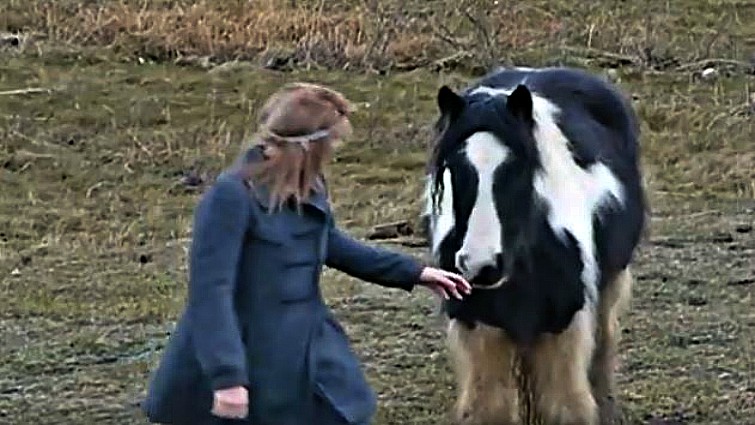
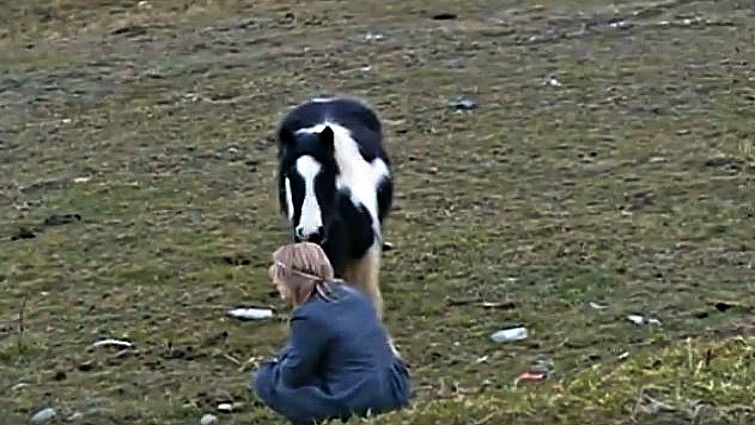
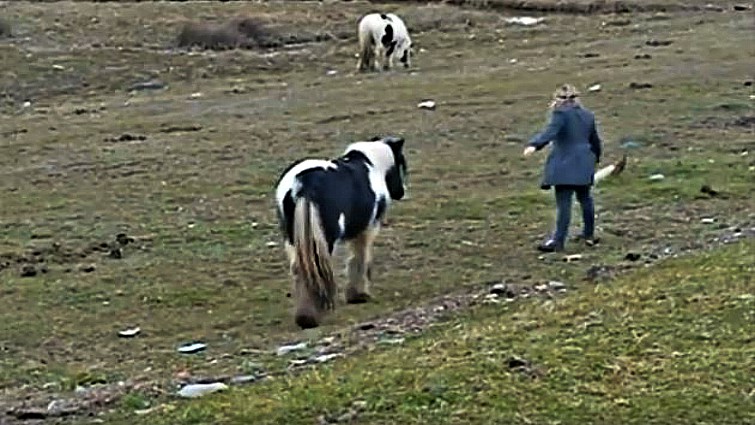
In the dramatic video below, we see exactly how this scenario can unfold. A determined rider decided to attempt what many professionals would consider foolish: riding a wild horse without proper training or groundwork. While her courage is admirable and her determination is evident, she clearly underestimated what wild horses are truly capable of.
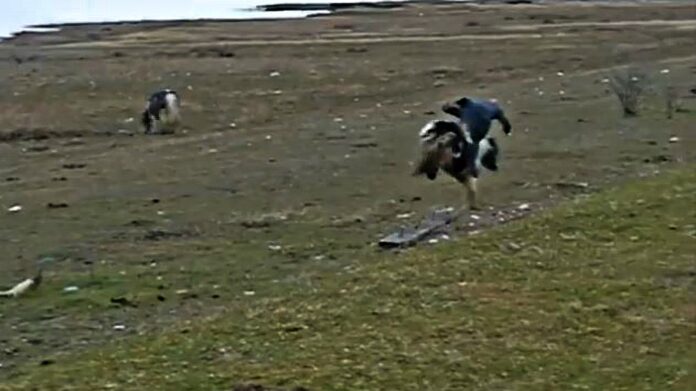
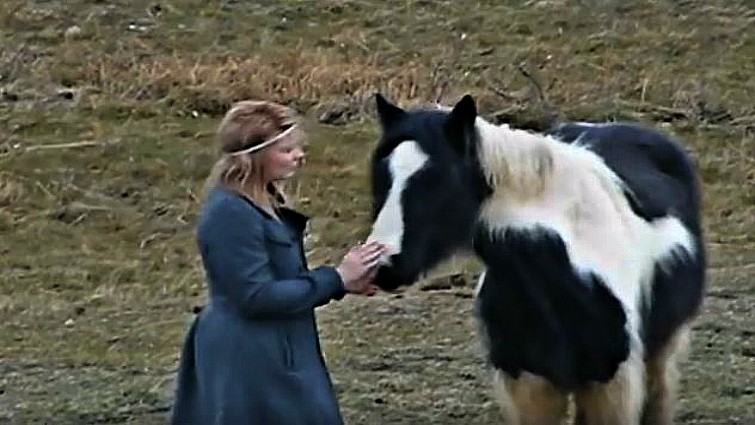
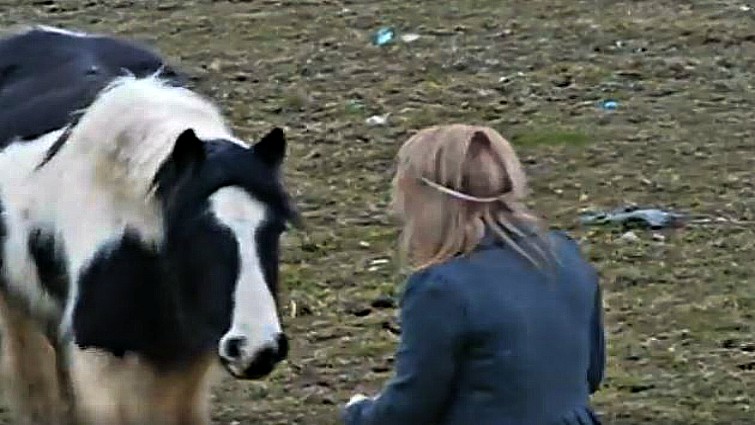
Though she managed to get close and even encourage the horse to move alongside her, she wasn’t prepared for the unpredictable reaction that came next. The horse reared suddenly—a natural defensive response from an animal that felt threatened or overwhelmed. In an instant, the rider found herself on the ground, lucky that the fall didn’t result in serious injury.
Why Wild Horse Riding Is Dangerous
Let’s be clear: this incident isn’t a failure of the rider’s courage—it’s a perfect illustration of why wild horse riding requires professional expertise. Here’s what makes it so risky:
- No Desensitization: Wild horses have never experienced saddles, bridles, or riders. Every element is completely foreign.
- Unpredictable Behavior: Without training and trust-building, you can’t predict how they’ll react to pressure or fear.
- Flight Response: Wild horses are built to run first and ask questions later. Rearing, bolting, and bucking are natural defense mechanisms.
- Lack of Ground Manners: Basic respect and boundaries haven’t been established through groundwork.
- Injury Risk: A wild horse can cause serious harm—broken bones, spinal injuries, or worse.
The Right Way to Work With Wild Horses
If you’re genuinely interested in wild horse training, there’s a proper way to do it. Professional trainers spend months on groundwork—building trust, teaching basic commands, and gradually desensitizing the horse to human contact. This process requires patience, knowledge, and a deep understanding of equine psychology.
Experts like Buck Brannaman and other respected natural horsemanship trainers have spent decades developing methods to gently introduce wild horses to human handling. These approaches prioritize the horse’s emotional well-being and safety alongside the handler’s.
The Lesson Here
This video serves as an important reminder: no matter how athletic, brave, or determined you are, you can’t overcome a wild horse’s natural instincts through willpower alone. Horses—especially wild ones—deserve training, respect, and proper preparation.
The rider in this video was fortunate to walk away with just a tumble. Many riders in similar situations aren’t so lucky. Before attempting any advanced or dangerous riding scenario, ask yourself: Have I received proper training? Do I fully understand the risks? Is this decision based on knowledge or ego?
As horse enthusiasts, our greatest strength isn’t our ability to conquer these beautiful animals—it’s our commitment to understanding them, respecting their nature, and working with them safely. Watch the video below to see what happens when those principles are overlooked:
Have you experienced a close call with a horse? Share your story in the comments below—let’s learn from each other’s experiences!