
The thoroughbred racing industry is packed with jaw-dropping stories, multi-million dollar investments, and dreams of owning the next champion. But few tales are as captivating—and cautionary—as that of Green Monkey, the world’s most expensive auction horse ever sold.
A Record-Breaking Sale That Turned Heads
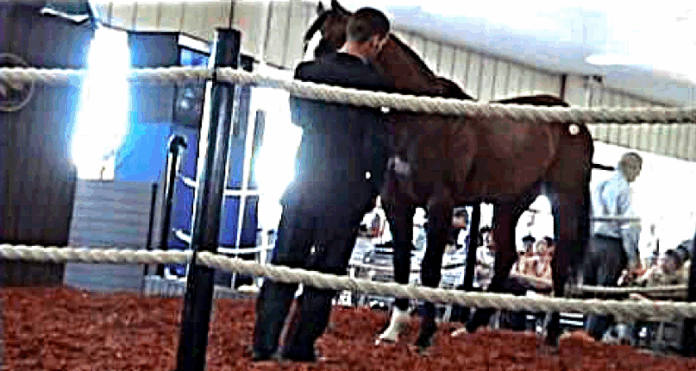
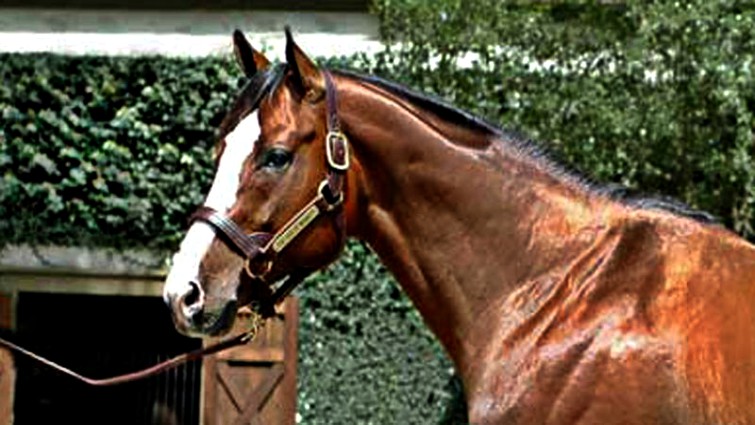
In January 2006, the equestrian world gasped when Green Monkey, a stunning bay colt foaled on February 4, 2004, sold at auction for an astounding $16 million. Adjusted for inflation, that’s approximately $20.3 million in today’s money. It was a record that captured the imagination of racing enthusiasts everywhere and cemented the thoroughbred market’s reputation as one of the most high-stakes industries in sports.
The colt’s exotic name came from his new owners’ connection to The Green Monkey golf course in Barbados—a course famously named after the island’s native green monkeys. It was a name that promised greatness, prestige, and profits.
When Dreams Don’t Match Reality
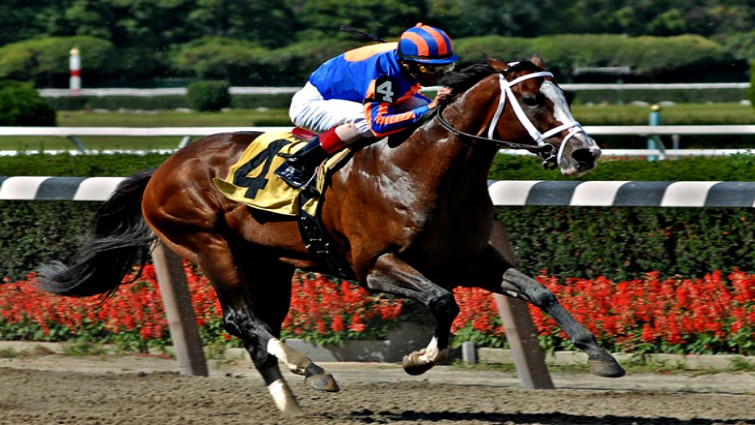
Despite the astronomical price tag and the sky-high expectations, Green Monkey’s racing career would become one of the sport’s most infamous disappointments. The young thoroughbred made just three racing starts, and unfortunately, none of them resulted in victory.
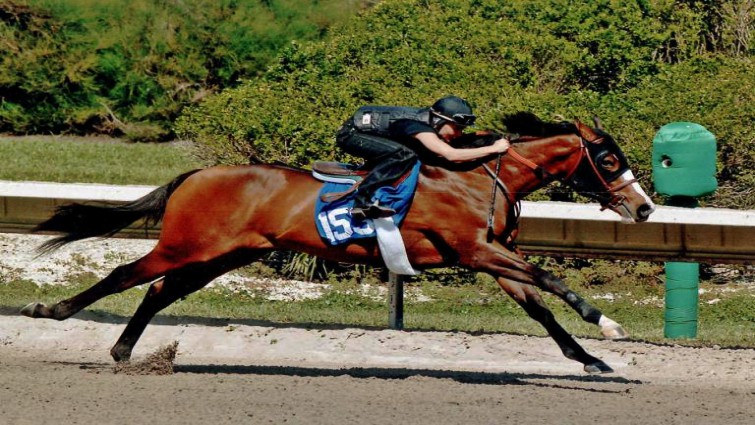
When he retired from racing, Green Monkey had earned only $10,440 in prize money—a return that represented less than 0.1% of his original purchase price. For his owners, it was a harsh reminder that in thoroughbred racing, pedigree and price tag don’t guarantee success on the track.
The Bigger Picture of Racing’s High-Stakes Market
Green Monkey’s story isn’t unique, though it is extreme. The thoroughbred racing industry has always attracted wealthy investors willing to spend extraordinary sums on horses they believe will become champions. The appeal is understandable—a successful racehorse can generate enormous prize money, breeding rights, and prestige. But the flip side is equally real: many expensive horses never live up to their potential.
What makes Green Monkey’s case so striking is the sheer magnitude of the gap between investment and return. But it also serves as a humbling lesson for the racing community about the unpredictability of the sport and the risks that come with betting big.
A Legacy Remembered With Compassion
Sadly, Green Monkey passed away in Florida at the age of 14 after battling laminitis, a serious and often debilitating hoof condition. His death marked the end of a story that, while disappointing in racing terms, reminds us that behind every horse is a living creature deserving of care and compassion.
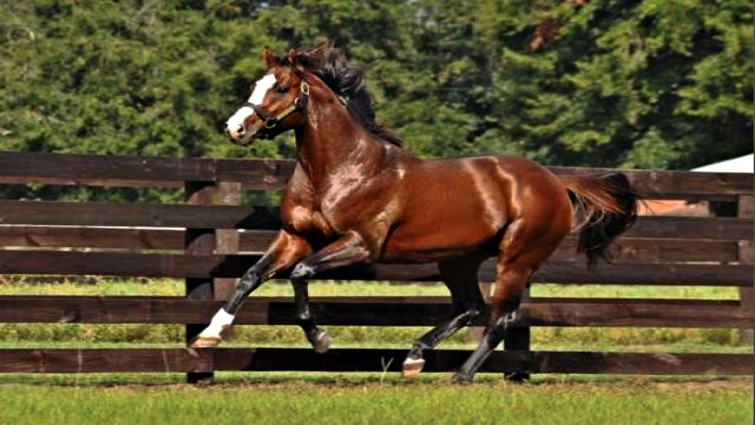
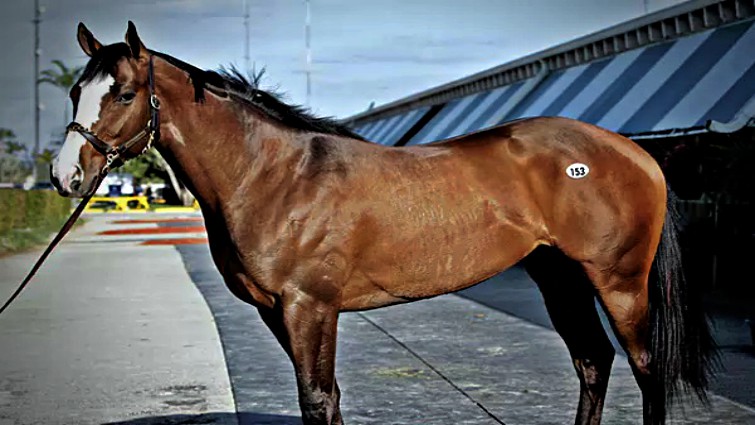
Though Green Monkey never became the racing superstar his price suggested he would be, he will forever be remembered as one of the most expensive thoroughbreds ever sold—and as a cautionary tale about the realities of horse racing investment. His story continues to remind breeders, owners, and racing enthusiasts that heart, determination, and a big price tag can’t always guarantee victory in the winner’s circle.