
When Healthy Treats Turn Dangerous: A Horse’s Close Call with Root Vegetables
Horse owners are always looking for nutritious treats to add variety to their equine companion’s diet. Root vegetables like swedes and turnips are popular choices—and rightfully so, as they offer genuine health benefits. But one recent case at a UK veterinary clinic serves as an important reminder that even wholesome foods require careful preparation to keep your horse safe.
The Incident: When a Swede Became a Choking Hazard
Craig Rutland, a partner at Catley Cross Veterinary Clinic in Essex, recently treated a horse in significant distress. The owner initially suspected choke—the scary condition where food becomes lodged in the esophagus—but the actual culprit was something unexpected.
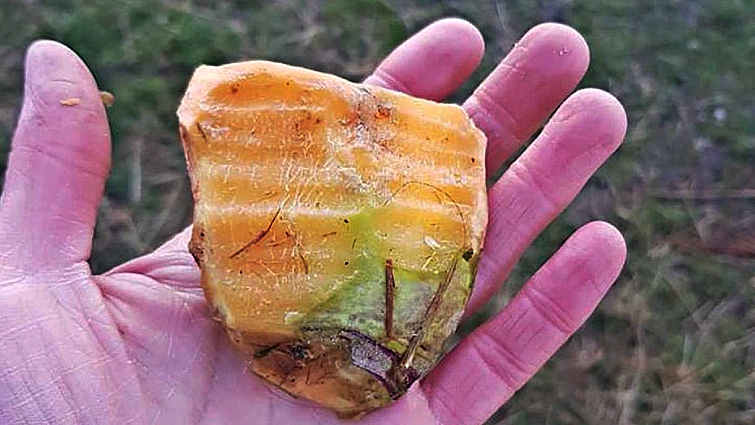
“The horse was clearly uncomfortable, and the owner was understandably concerned,” Craig explained. “During my examination, I asked about recent diet changes, and that’s when the owner mentioned feeding swede. Once I looked inside the mouth, I could see what had happened—a large piece of swede was wedged firmly across the roof of the mouth, lodged between the cheek teeth.”
How a Quarter-Cut Vegetable Created Big Problems
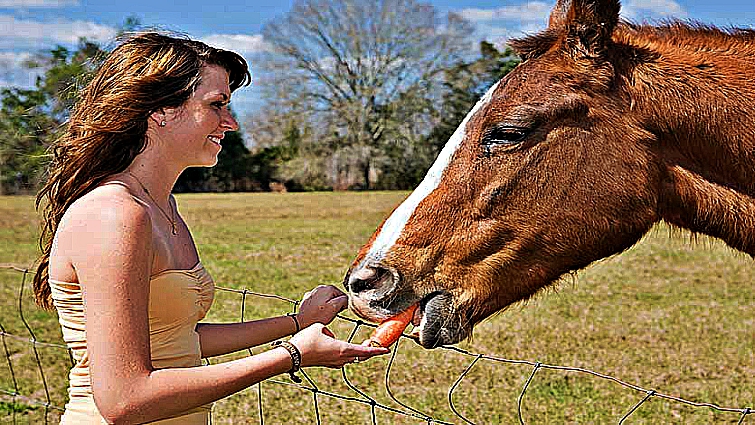
The owner had cut the swede into quarters—a seemingly reasonable approach. However, one piece happened to be precisely the right size (about a third of an adult palm) to wedge dangerously between the horse’s rows of cheek teeth. This created a serious problem.
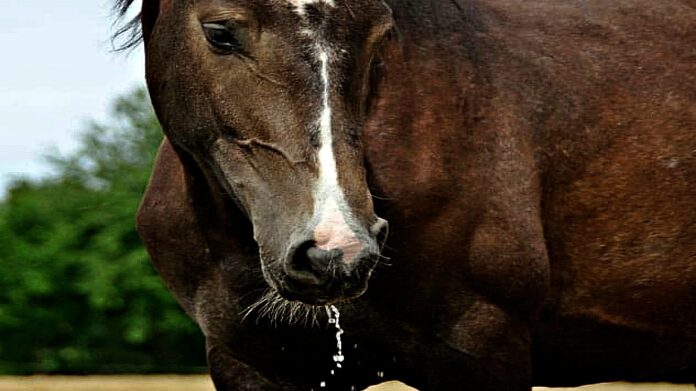
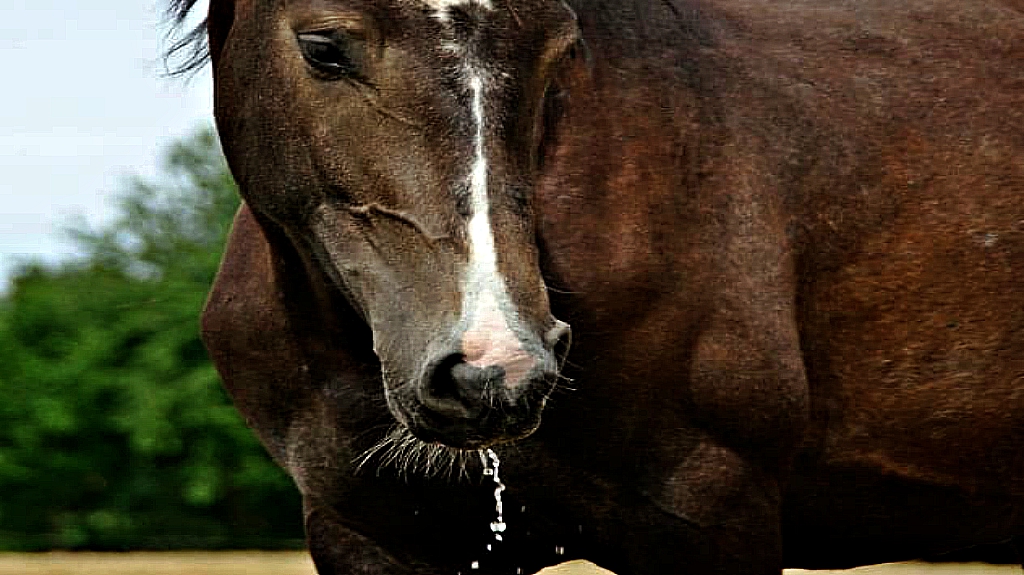
“That chunk of swede took up considerable space in the horse’s mouth,” Craig said. “It prevented the tongue from doing its job, which meant the horse couldn’t swallow properly. Saliva was pouring out, and the horse was clearly experiencing something very uncomfortable—imagine having a fishbone stuck in your throat. That’s what this felt like for the horse.”
The Solution: Careful Extraction and Recovery
Fortunately, Craig was able to carefully remove the lodged swede, though it required “quite a bit of maneuvering.” The good news? The horse suffered no lasting damage and recovered completely.
“I haven’t encountered a case quite like this before,” Craig reflected. “The horse’s teeth were perfectly well-maintained—it was simply an unfortunate coincidence that the swede piece was the exact size needed to wedge itself. But that’s precisely why we need to be mindful about food preparation.”
Expert Tips for Safe Root Vegetable Feeding
Root vegetables absolutely deserve a place in your horse’s diet—they’re nutritious and horses often enjoy them. However, preparation matters enormously:
- Cut vegetables into appropriately small pieces—smaller than you might initially think necessary
- Avoid large chunks that could wedge between cheek teeth or create choking hazards
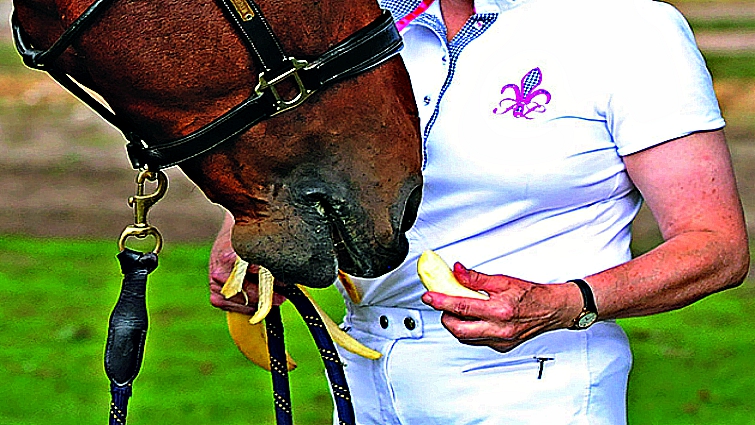
- Consider grating or slicing root vegetables instead of quartering them
- Always supervise feeding and observe your horse while eating treats
- Know the signs of choking: excessive drooling, difficulty swallowing, nasal discharge, and obvious distress
When to Contact Your Veterinarian
If you notice your horse displaying any of these symptoms, contact your vet immediately:
- Inability to swallow normally
- Excessive salivation or drooling
- Food or water coming from the nostrils
- Anxiety or obvious discomfort while eating
- Reduced appetite or refusal to eat
The Takeaway: Safe Feeding Practices Protect Your Horse
This incident isn’t meant to scare horse owners away from offering root vegetables—it’s simply a reminder that how we prepare food matters as much as what we feed. By taking a few extra minutes to cut vegetables into appropriately small pieces and staying attentive during feeding time, you can confidently offer your horse these nutritious treats without worry.
Your horse’s safety is always worth the extra care. Happy feeding!