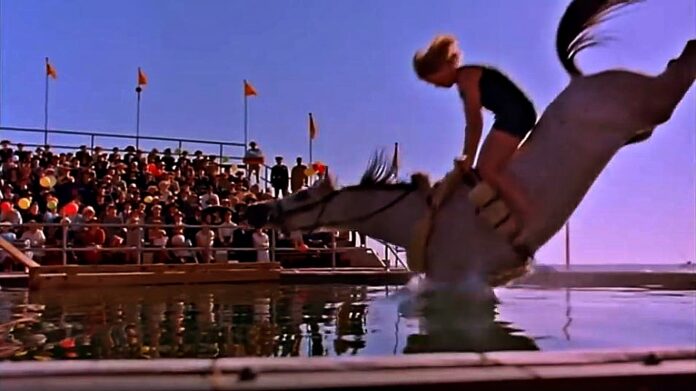

If you’ve watched the thrilling film ‘Wild Hearts Can’t Be Broken,’ you might be curious about the real sport that inspired it. Horse diving stands as one of cinema’s most captivating—yet controversial—equestrian disciplines. This daring practice once captivated audiences worldwide, but today it’s largely extinct, banned in most countries, and widely condemned as animal cruelty.
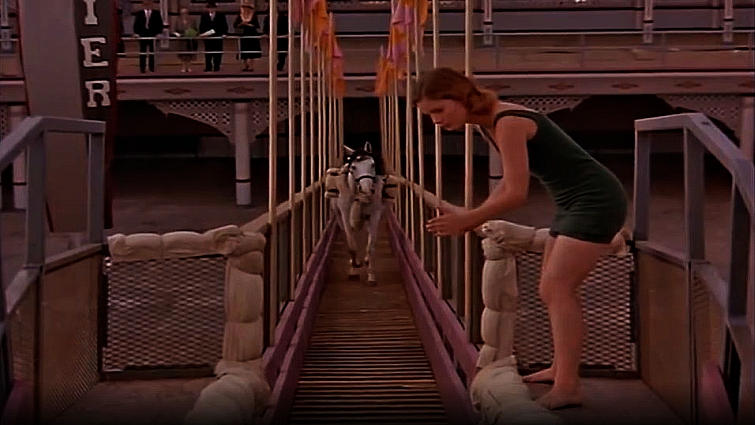
The Golden Age of Horse Diving
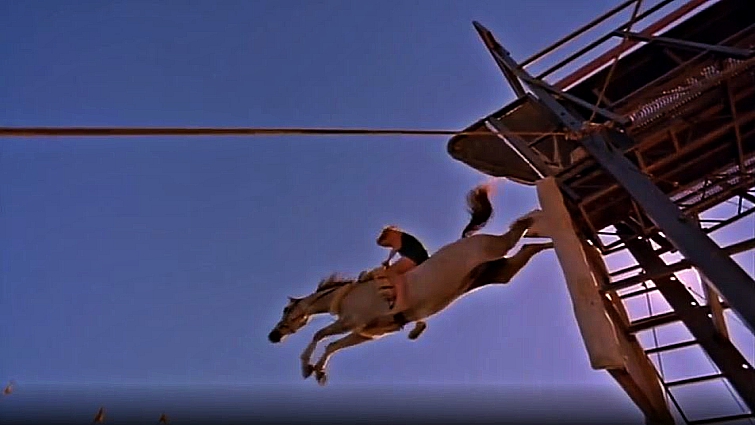
During the early 20th century, horse diving was a legitimate entertainment spectacle that drew massive crowds. Riders and their horses would leap from towering trampolines—sometimes reaching heights of 40 feet or more—into pools of water below. The combination of danger, athleticism, and sheer audacity made it one of the most thrilling circus acts and public performances of the era.
The sport’s popularity was undeniable. It represented the ultimate test of horsemanship and courage, captivating audiences who had never seen anything quite like it. For many, it epitomized the golden age of equestrian entertainment.
The Dark Reality Behind the Spectacle
While the performances dazzled audiences, the reality for the horses was far grimmer. These magnificent athletes were pushed far beyond their natural physical and psychological limits. Horses are prey animals by nature—they instinctively fear heights and water, making the act of forcing them to dive from extreme elevations profoundly stressful and unnatural.
The consequences were severe and often tragic. Injuries were commonplace, ranging from broken bones to internal bleeding. Most heartbreaking were the fatal accidents where both horse and rider plunged outside the pool, resulting in death. Even when landings were successful, the repeated impact of diving took an enormous toll on equine skeletal and cardiovascular systems.
How ‘Wild Hearts Can’t Be Broken’ Romanticized a Harmful Practice
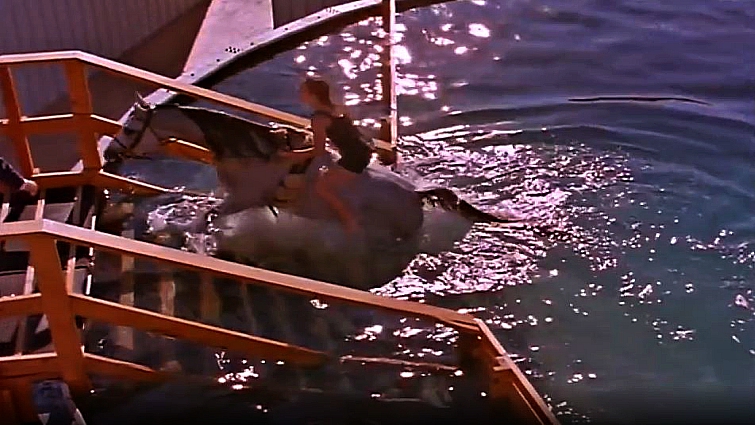
The 2011 film ‘Wild Hearts Can’t Be Broken’ brought horse diving back into popular culture, dramatizing the true story of Sonora Webster Carver, who performed as a blind horse diver. While the movie showcased incredible human determination and the bond between horse and rider, it also softened the harsh realities of the sport.
Cinematography has a powerful way of romanticizing dangerous practices. The film highlighted the triumph and excitement while necessarily downplaying the physical trauma experienced by the horses. This gap between cinematic beauty and real-world suffering is important to acknowledge as horse lovers and advocates.
Why Horse Diving is Now Banned
Modern animal welfare standards have made horse diving illegal in most countries. Equine veterinarians and animal rights organizations universally recognize the practice as cruel and abusive. The physical and psychological stress imposed on horses—being forced to overcome their natural instincts and endure repeated high-impact trauma—clearly violates contemporary ethical standards for animal treatment.
Today, responsible horsemen and women understand that true horsemanship celebrates what horses can naturally and safely achieve, not what they can be forced to do against their nature.
Reflecting on Entertainment and Animal Ethics
The history of horse diving offers an important lesson: just because something was once popular doesn’t make it right. As a community of horse lovers, we’ve evolved in our understanding of equine welfare. We now recognize that entertainment should never come at the expense of animal health and safety.
While ‘Wild Hearts Can’t Be Broken’ is a captivating film with an inspiring human story, it’s crucial to separate the cinematic narrative from the harmful reality of the sport it depicts.
What Do You Think?
We’d love to hear your perspective on this controversial chapter in equestrian history. Do you think films should continue to portray historical animal practices, even when we now recognize them as harmful? How do we balance historical storytelling with modern animal welfare values?
Share your thoughts in the comments below, and let’s continue the conversation about what ethical horsemanship really means in today’s world.