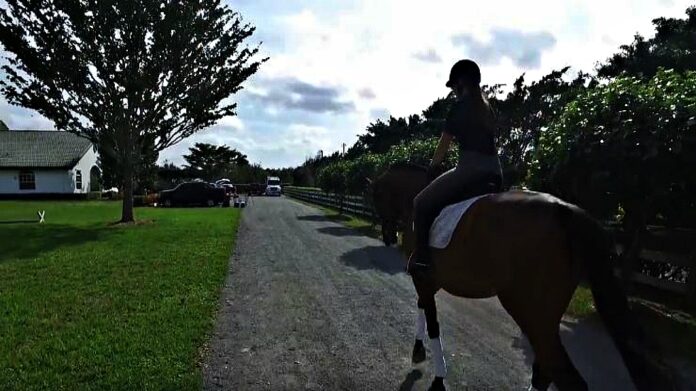

For many athletes with physical disabilities, competitive sports feel out of reach. But through U.S. Para-Equestrian Dressage, that narrative is changing dramatically. Horses aren’t just animals—they’re partners, confidence builders, and equalizers in the arena.
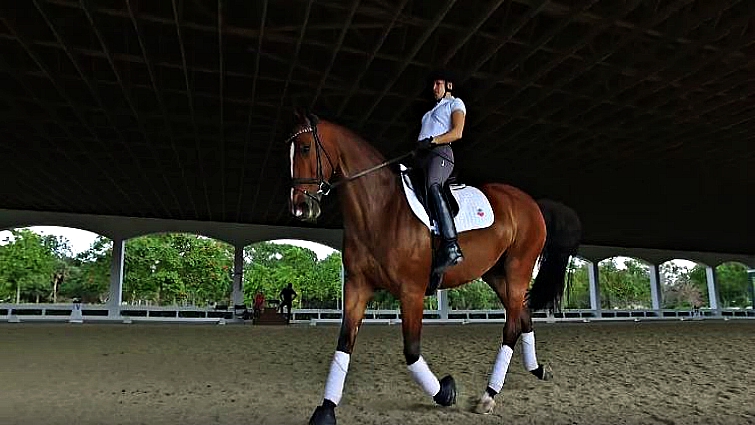
Breaking Barriers, Finding Freedom
U.S. Paralympian and para-equestrian Becca Hart credits horses with quite literally keeping her active and mobile. “I was angry. I wanted to be active. I wanted to be competitive, and horses allowed me to do that,” Hart shared in a powerful video with the Deloitte U.S. Facebook page. “I sat on a horse and all of a sudden I had that freedom. I wasn’t the disabled kid anymore. The horses became my legs, and I was able to function like everyone else.”
For Hart, para-equestrian sport has enabled her to maintain her ability to walk—something she believes wouldn’t be possible without it. That’s the transformative power of this discipline.
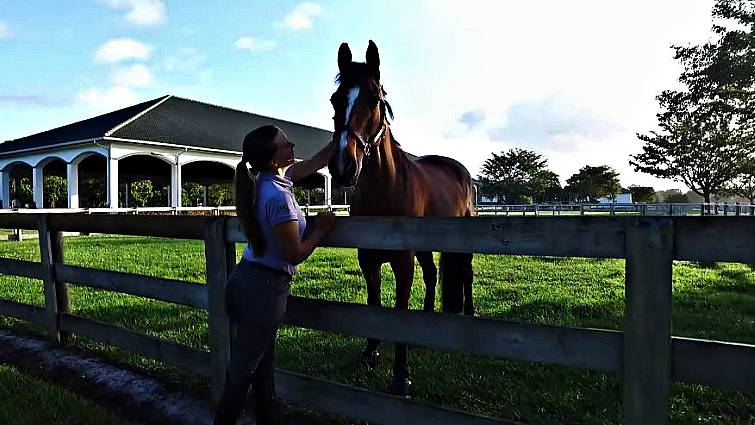
More Than Just Competition
Para-equestrian sports encompass dressage, driving, and vaulting—disciplines designed for athletes with varying physical abilities. But the benefits extend far beyond competition. Horses have proven instrumental in helping athletes overcome both physical and mental challenges:
- Building confidence and self-esteem in riders
- Providing therapeutic connections that ease depression
- Supporting recovering veterans through equine therapy programs
- Creating partnerships between rehabilitated racehorses and athletes
The mental and physical conditioning required in para-equestrian sport instills discipline while celebrating each athlete’s unique abilities.

Equal Competition, Equal Talent
“What Para-Dressage gives people is an opportunity to compete on equal terms, but show that they are every bit as talented as their able-bodied counterparts,” explains Will Connell, Director of Sport at the United States Equestrian Federation.
Para-equestrian sport has grown into an internationally recognized discipline. Athletes compete at the highest levels through the World Equestrian Games and the Paralympics, which occur every four years immediately following the Olympic Games at the same venue.
A Growing Movement
The evolution of para-equestrian sport represents a broader shift toward inclusive athletics. These competitions prove that disability doesn’t diminish an athlete’s heart, skill, or competitive spirit. With horses as partners, disabled athletes are rewriting their stories—one stride at a time.
If you’re curious to learn more about para-equestrian opportunities, check out the United States Equestrian Federation and the inspiring work being shared by organizations like Deloitte.