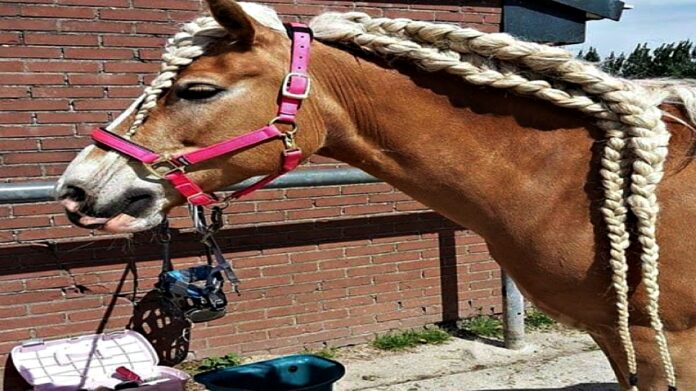

Horses are truly magnificent creatures—intelligent, social, and full of personality. And when it comes to making them look their absolute best, few things compare to the artistry of mane braiding. Whether you’re preparing for competition or simply want to keep your horse’s mane healthy and beautiful, braiding is a timeless practice that combines tradition with practical care. Let’s dive into the fascinating world of equine mane styling!
The Magical Origins: From Folklore to Fact
The story of horse mane braiding is woven with equal parts history and enchantment. According to ancient European folklore, fairies would sneak into stables under the cover of darkness and tie mysterious knots into horses’ manes. Legend had it these “elf knots” served as mystical stirrups for the magical creatures to ride the horses through the night. Charming, right?
Another folk tale suggests that horse thieves would braid a horse’s mane as a secret marking system, identifying their next target. While these stories make for wonderful barn conversations, the truth is far more practical—and still fascinating!
From Military Necessity to Elegant Tradition
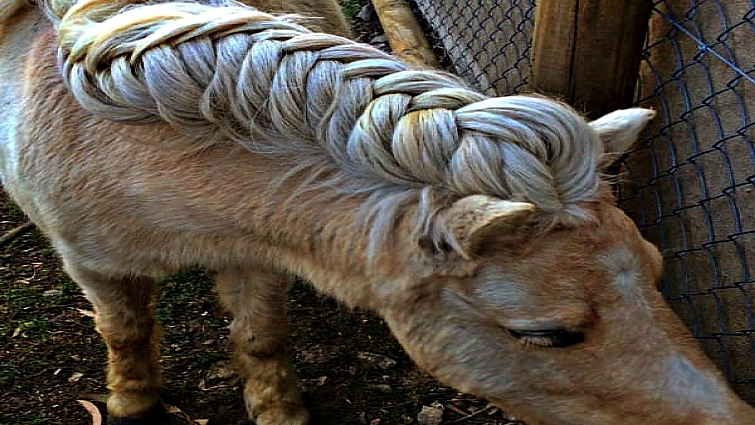
The real history of horse mane braiding is rooted in practical military and transportation needs. When horses became the backbone of cavalry units and everyday travel across Europe, soldiers discovered that long, flowing manes could interfere with their equipment—tangling around buttons, muskets, and gear.
Braiding became the solution. By securing the mane neatly, soldiers could move freely without worrying about their horse’s hair catching on their equipment. This functional tradition eventually evolved into the beautiful, polished aesthetic we see today, especially in hunter and jumping disciplines.
Why Braiding Matters: Health & Appearance
Beyond looking stunning, regular mane braiding actually supports your horse’s hair health. Here’s what happens naturally:
- Protective grease: Horses naturally produce oils that protect their manes
- Tangle prevention: Without proper care, wind, rolling, and “necking” with other horses creates knots
- Professional presentation: A braided mane signals careful handling and preparation, essential for competitions
When you maintain a consistent braiding routine, you’re not just improving appearance—you’re actively caring for your horse’s coat health while creating that coveted polished look judges and spectators admire.
The Classic “Hunter” Braid & Beyond
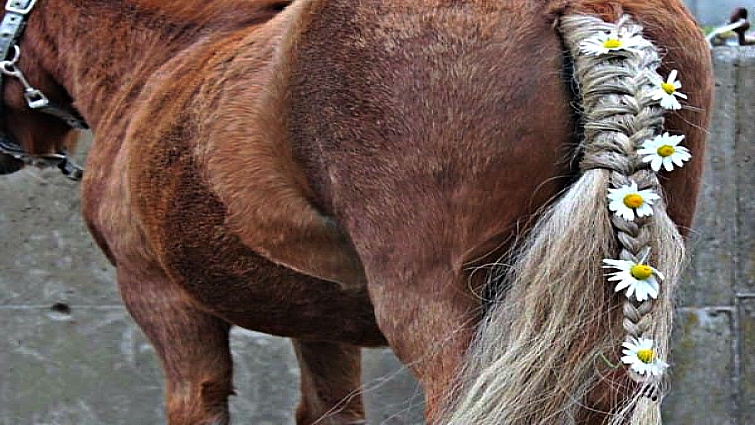
Today’s braiding options are wonderfully diverse. The most popular style for English riders is the traditional “hunter” braid, which uses yarn matching your horse’s coat color. This classic look has deep roots in fox hunting traditions and remains the gold standard for hunter-jumper competitions.
But that’s just the beginning! You can experiment with:
- Dutch braids for a sleek, modern look
- French braids running down the neck
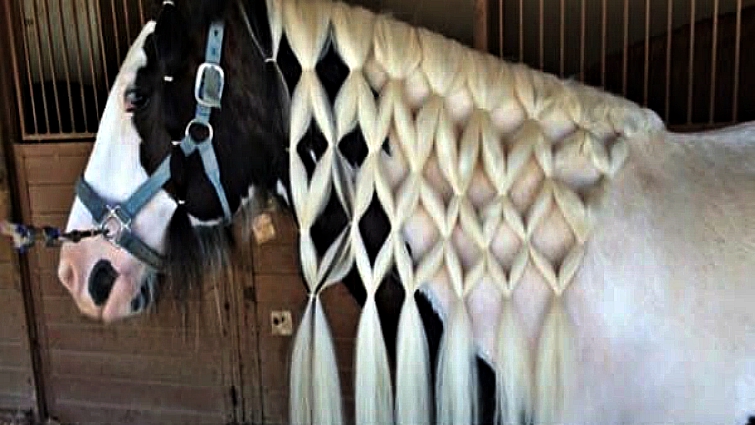
- Decorative thread combinations for breed shows
- Colored yarn or ribbon accents for fun events
The key is choosing a style that works with your horse’s mane thickness and texture. Thicker manes can handle intricate designs, while finer manes often look best with looser, more elegant braids.
Learn to Braid Your Own Horse’s Mane
Ready to try mane braiding yourself? It’s a relaxing, meditative activity that strengthens your bond with your horse—as long as your equine friend is calm and patient (treats help!). Watch this step-by-step tutorial to master the basics:
Final Thoughts: An Enduring Tradition
Horse mane braiding has weathered centuries—from military stables to modern competition rings—because it simply works. It keeps your horse’s mane healthy, protected, and absolutely beautiful. Whether you’re prepping for a major competition, a local show, or just want your horse to look their finest on a trail ride, braiding is a skill worth mastering.
So grab some yarn in your horse’s color, find a quiet moment in the barn, and give it a try. Your horse might even enjoy the attention! 🐴