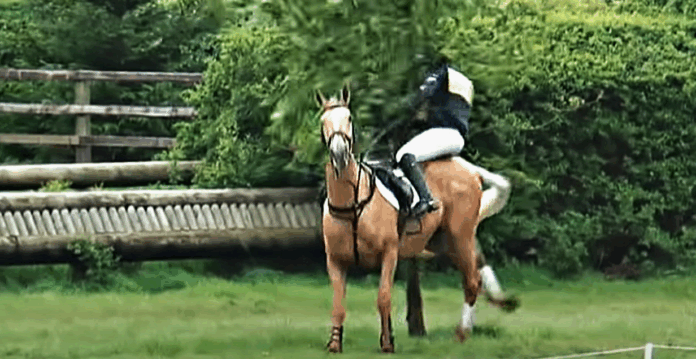

We’ve all seen those jaw-dropping viral videos of horses who’ve reached their breaking point. From bucking riders to strategic maneuvers that leave equestrians eating dirt, these moments remind us that horses are far more than passive companions—they’re intelligent, emotional creatures with a mind of their own.
The video below captures one such unforgettable moment. Two horses and their riders attempt to cross a river, but what happens next is pure equine justice in action. While the first horse gracefully navigates the water, the second horse decides he’s had enough. Just as they reach the opposite bank, the rider suddenly finds themselves airborne. Coincidence? We think not.
Looking at the horse’s body language, it’s clear this wasn’t an accidental stumble. The animal appeared tired and overloaded, struggling under the weight on its back. Once safely across the river, the horse seemed to make a deliberate decision—this rider needed a reality check.
The Debate: Who’s Really to Blame?
Videos like these have become wildly popular across equestrian forums and social media for a reason. Horse lovers everywhere find themselves divided, sparked by passionate debates about responsibility and animal welfare.
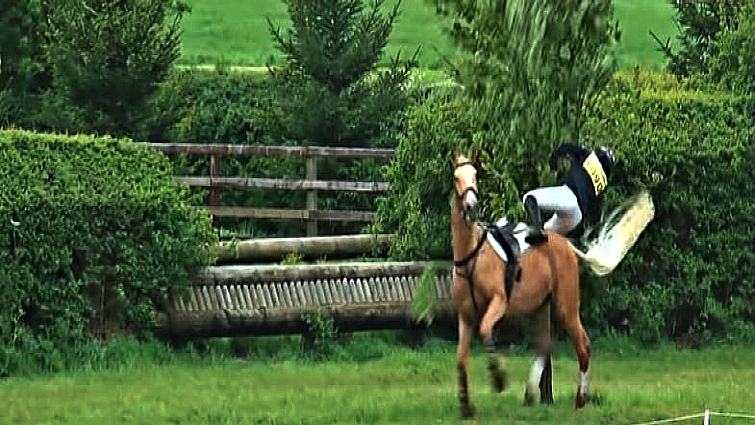
Some argue the horse deliberately bucked its rider as payback for poor handling or excessive weight. Others insist the rider bears full responsibility, whether through improper technique, inadequate training, or ignoring the horse’s clear signs of distress.
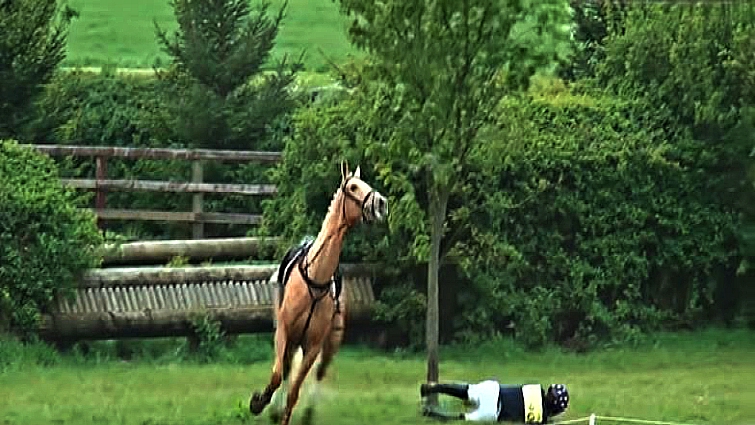
The truth likely lies somewhere in between. Horses are incredibly intuitive animals. When they’re tired, uncomfortable, or overworked, they communicate through their behavior. A good rider learns to recognize these signals before a situation escalates.
The Importance of Safety and Care
This incident serves as an important reminder for all riders: always prioritize safety and horse welfare. Whether you’re trail riding, jumping, or crossing rivers, proper body protection isn’t optional—it’s essential. Helmets, vests, and appropriate footwear can mean the difference between a minor tumble and a serious injury.
Equally important is understanding your horse’s limits. Overloading a horse with excessive weight, pushing them beyond their fitness level, or ignoring signs of fatigue sets everyone up for failure. Horses deserve respect, proper care, and riders who listen to what they’re trying to communicate.
What Do You Think?
Was this horse simply enforcing boundaries after enduring too much? Did the rider fail to recognize warning signs? Share your thoughts in the comments below. We’d love to hear from experienced equestrians about how they approach river crossings and what they’ve learned from their own horses about the importance of partnership and respect.
Remember: every horse teaches us something if we’re willing to listen.