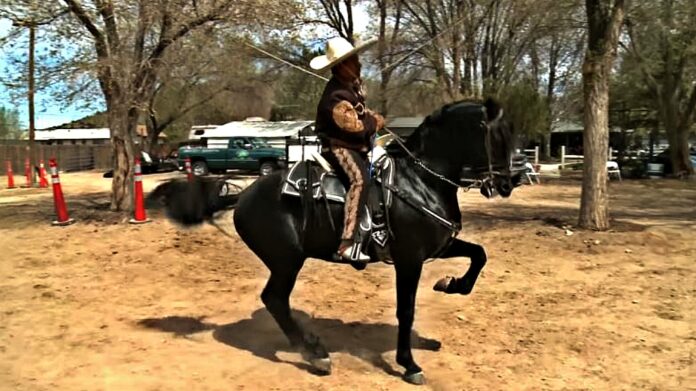

The art of training dancing horses has always sparked important conversations within the equestrian community. It’s natural—and necessary—to question what happens behind the scenes and whether these magnificent animals are treated ethically during their training. These discussions matter because the welfare of our horses must always come first, no matter how impressive the final performance.
That said, ethical horse training and spectacular performances aren’t mutually exclusive. Meet Ramiro Perez, a passionate trainer who has dedicated his entire career to perfecting the art of teaching horses to dance—and he does it with genuine care and respect for his equine partners.
From Tack to Performance: The Training Journey
The path to creating a dancing horse is more involved than most people realize. From meticulously fitting saddles to conducting pre-dance warm-up runs, every detail matters. Perez’s systematic approach ensures that each horse is physically and mentally prepared for their performance.
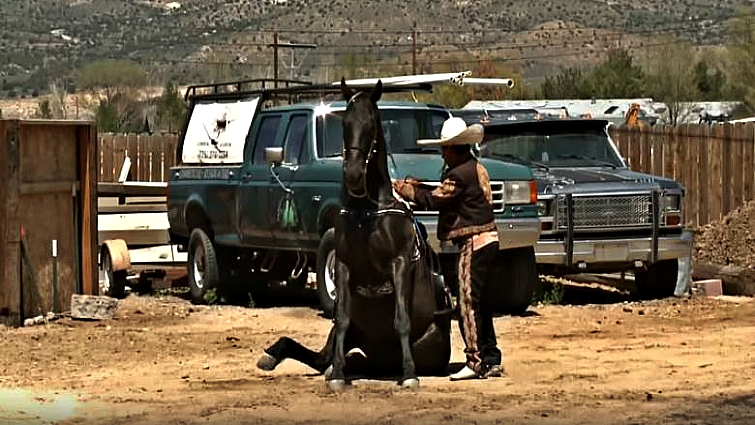
On average, it takes approximately 4 years of dedicated training before a horse can deliver these breathtaking performances. This timeline reflects the patience and expertise required to develop such an extraordinary skill. It’s not a quick fix—it’s a labor of love.
The Passion That Drives Excellence
What keeps Perez motivated through years of intensive work? It’s the combination of his genuine love for horses and the electric energy of crowds who come to witness these amazing performances. The applause and appreciation fuel his determination to continually improve his craft and push the boundaries of equestrian artistry.
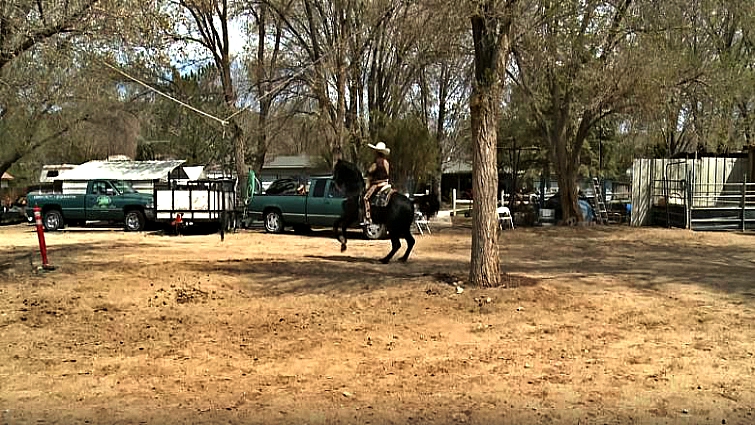
Watch the Magic in Action
See for yourself how Ramiro Perez works with his equine partners. This video showcases the beauty and partnership between trainer and horse:
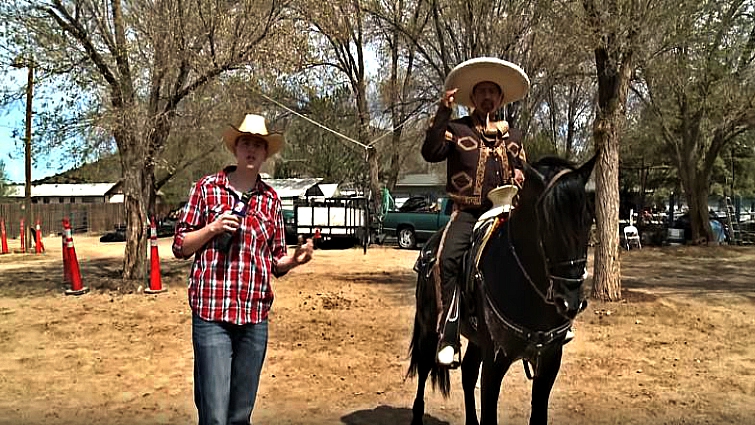
Share Your Thoughts
We’d love to hear your perspective on horse dancing and ethical training practices. Do you see evidence of genuine partnership and care in what Ramiro Perez does? What are your thoughts on the balance between training excellence and animal welfare? Leave your sincere opinion in the comments below—your voice matters in these important conversations about equestrian sports.