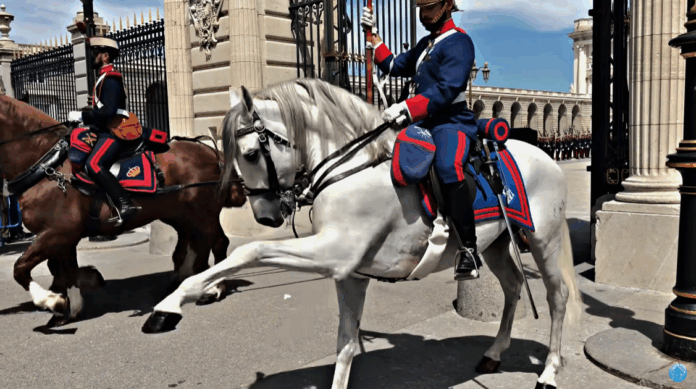

If you’ve seen the viral video from the Changing of the Guard ceremony, you might have noticed one magnificent horse seemingly acting out. But let’s set the record straight: this wasn’t a case of an “angry” horse—it was something far more fascinating from a behavioral standpoint.
As equestrians know, horses are herd animals with deeply ingrained instincts to stay together. When a group of ceremonial guards thundered through the main entrance on horseback, two other mounted guards stood positioned at the sides. The moment one of these horses spotted the group galloping past, his natural instinct kicked in. He wanted to join his fellow horses—simple as that! It’s not rebellion; it’s biology.
What deserves genuine praise here is the incredible horsemanship displayed by the guard. Managing a 1,000-pound animal with strong herd instincts in such a high-pressure, ceremonial setting requires exceptional skill and patience. The guard handled the situation with professionalism and composure, keeping his horse calm despite the challenging circumstances. This is textbook expert horsemanship under pressure.
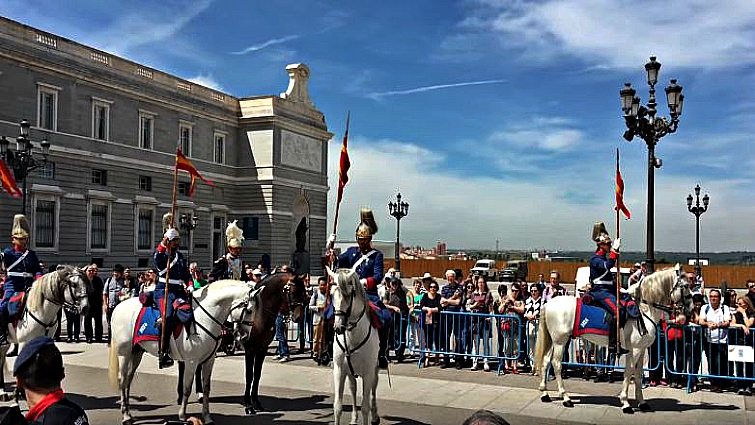
Rather than labeling this horse as difficult or angry, it’s more accurate to recognize this as a natural behavioral response. Any horse lover would understand the pull of the herd—it’s not disobedience, it’s instinct. The real story here is about how well the situation was managed, turning what could have been a ceremonial mishap into a testament to the bond between horse and rider.
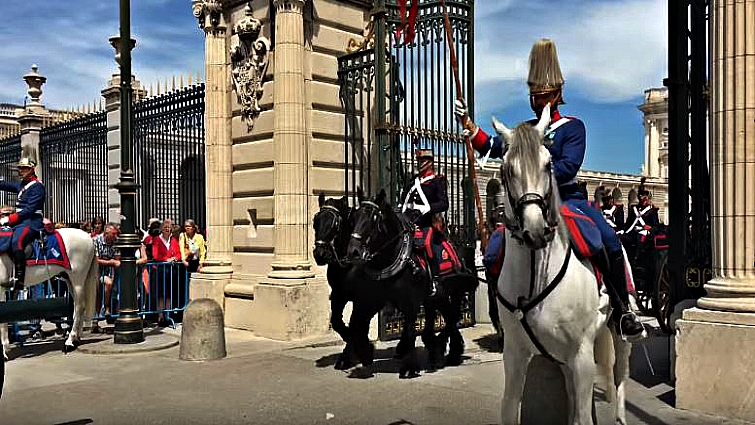
Beyond the behavioral lesson, let’s take a moment to appreciate the sheer beauty of these ceremonial horses. The horses on duty that day were absolutely stunning—their coats gleaming, their presence commanding, their bearing noble. Every single horse participating in the Changing of the Guard ceremony represents peak conditioning and training, and they deserve recognition for their elegance and composure throughout the event.
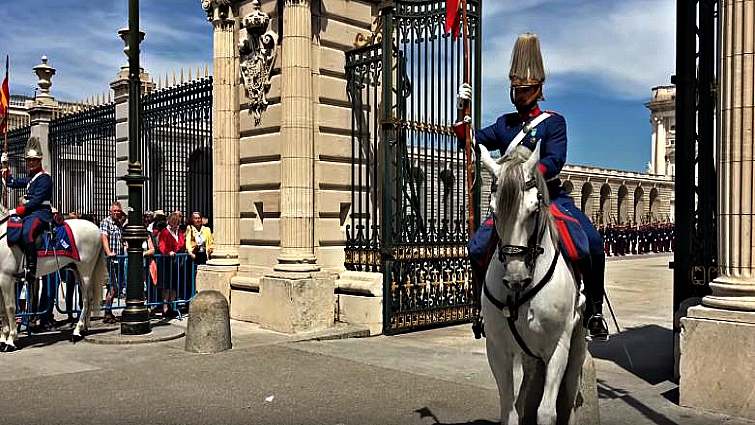
This incident is a perfect reminder that horses aren’t stubborn or vindictive—they’re sentient beings responding to their instincts and environment. The next time you see a horse “acting out,” consider what biological or emotional need might be driving that behavior. In this case, it was simply a horse being a horse, and a skilled handler proving why proper horsemanship matters.