
When we think about people whose lives revolve around horses, our minds often jump to professional equestrians—dressage competitors, racing jockeys, and show jumpers competing at elite levels. But there’s a fascinating world beyond the arena where horses play an equally vital role in their communities, though in a completely different way.
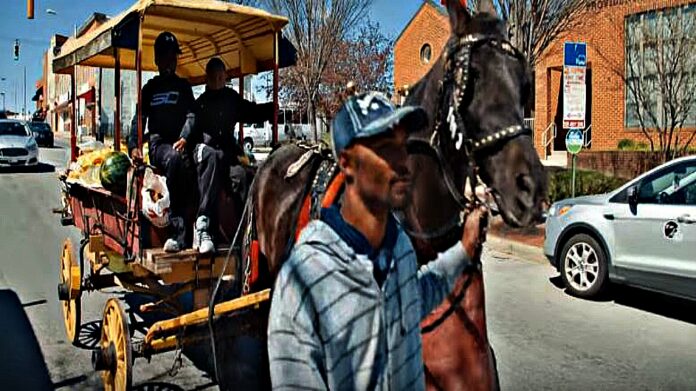
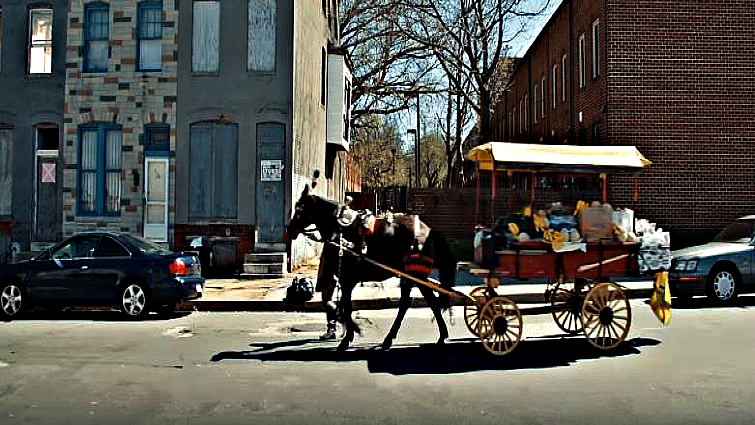
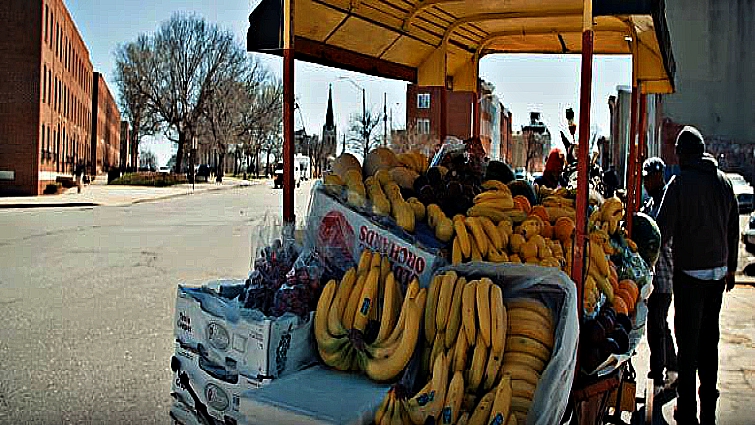
For generations in Baltimore, Maryland, a remarkable tradition has thrived: young men earning their livelihoods by selling fresh fruits and vegetables from beautifully decorated horse-drawn carriages. These vendors, affectionately known locally as “arabbers,” represent far more than a quaint business model—they’re an essential lifeline for their neighborhoods, bringing fresh produce directly to communities that need it most.
A Disappearing Tradition
Sadly, this iconic Baltimore tradition is fading. Once a common sight on city streets, only about a dozen arabbers continue the practice today. While the fresh produce business may not promise enormous profits, these dedicated vendors manage to support themselves while providing an invaluable service to their communities. It’s a beautiful example of how horses and people can work together for mutual benefit.
More Than Just a Business
What makes the arabber tradition special isn’t just the economics—it’s the cultural heritage and the bond between vendor, horse, and community. These men take pride in maintaining their carts, caring for their horses, and serving their neighborhoods with quality fresh produce. In an era of supermarkets and online shopping, they represent a connection to a simpler, more personal way of commerce.
Watch Their Story
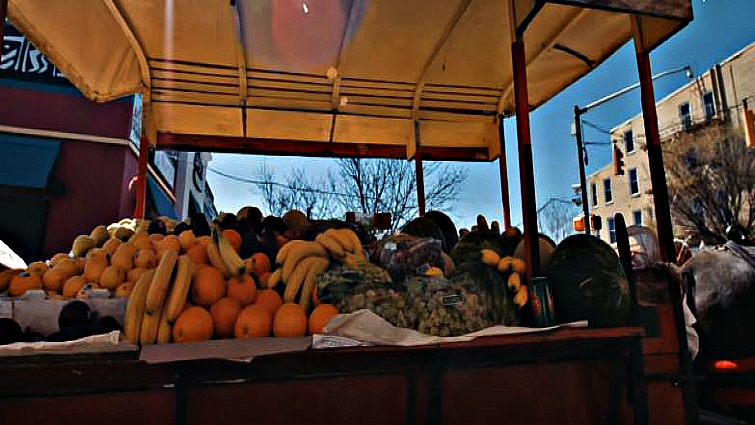
The video above captures the heart of this remarkable Baltimore tradition. Watching these dedicated arabbers at work gives you a real appreciation for the role horses play in their daily lives and their communities. From the decorative carts to the strong partnerships between man and horse, it’s a testament to a unique way of life that deserves to be celebrated and preserved.
If you ever find yourself in Baltimore, keep your eyes open for these traditional horse-drawn carts. Supporting the arabbers means supporting a cultural treasure and a sustainable way of bringing fresh food to neighborhoods. It’s equestrian heritage in its most authentic and community-focused form.