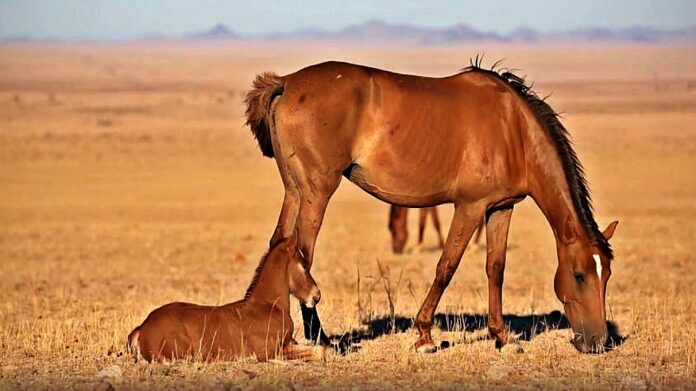

Deep in the heart of Namibia’s vast Namib Desert lies a remarkable story of resilience—and heartbreak. For over a century, a small population of wild horses has roamed the Garub plains, descendants of animals brought by European colonists during the diamond mining era. But today, these magnificent creatures are teetering on the brink of extinction, and horse lovers worldwide are watching with growing concern.
A Century of Survival Against the Odds
The Namibian wild horses have endured for 104 to 105 years, according to Mannfred Goldbeck, president of the Namibia Wild Horses NGO. Their story is one of unexpected freedom. Originally kept by a breeder at the edge of the Namibian desert for diamond mine work and leisure, these horses were liberated during World War I when their owner was deported to Germany. Instead of perishing in the harsh landscape, the animals adapted remarkably, discovering water at a railway station and making the remote Garub plains their home.
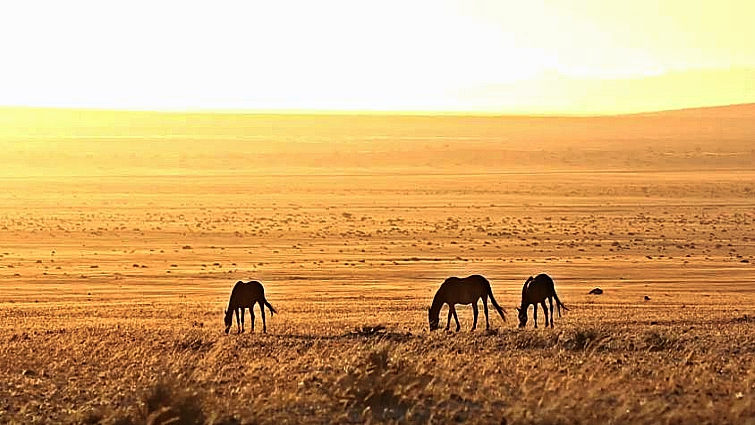
At first glance, these wild horses don’t look dramatically different from their domesticated cousins. However, the unforgiving desert conditions have shaped them—they’re noticeably smaller and thinner than domestic horses, perfectly adapted to survive where few animals can.
The Crisis: Vanishing Numbers in Just Four Years
What’s truly alarming is the speed of decline. The Namibia Wild Horses NGO reported that the population has plummeted from approximately 300 animals to just 74 in merely four years. Even more devastating: since 2013, not a single foal has survived into adulthood. These aren’t just statistics—they represent the potential extinction of a living link to Namibia’s colonial past.
Perfect Storm: Predators, Drought, and National Park Restrictions
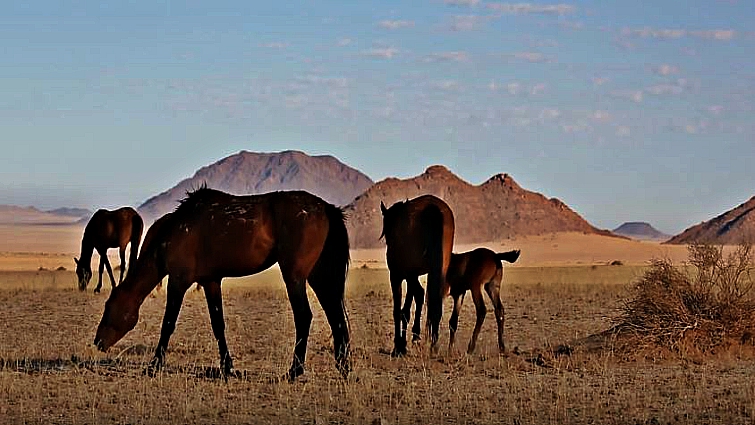
The wild horses face a perfect storm of threats. Hyena attacks are the primary predator-related danger, claiming countless lives throughout the herds. But nature itself has been equally cruel—severe droughts that gripped southern Africa between 2015 and 2018 devastated the landscape, eliminating grazing land and water sources these hardy animals depend on.
Ironically, what was meant to protect them has complicated their survival. Until 1986, the horses roamed freely across the Garub plains. However, when authorities incorporated the area into the Namib-Naukluft National Park—a sprawling protected area encompassing vast stretches of the Namib Desert and the Naukluft mountain range—they were confined by fencing. While the park was designed to preserve the landscape, the restrictions have limited the horses’ mobility and access to essential resources.
NGO’s Desperate Proposals Rejected
Recognizing the urgency, the Namibia Wild Horses NGO has presented multiple rescue proposals to the government. Their plans included taking primary guardianship of the feral equines and purchasing neighboring lands to relocate the herds to safer territory. Under these proposed arrangements, the NGO would have managed the horses while the government retained land ownership and continued to benefit from tourism. It seemed like a win-win solution.
Unfortunately, the government declined the offer, leaving conservationists frustrated and the horses’ future uncertain.
New Hope: Government Action on Hyenas
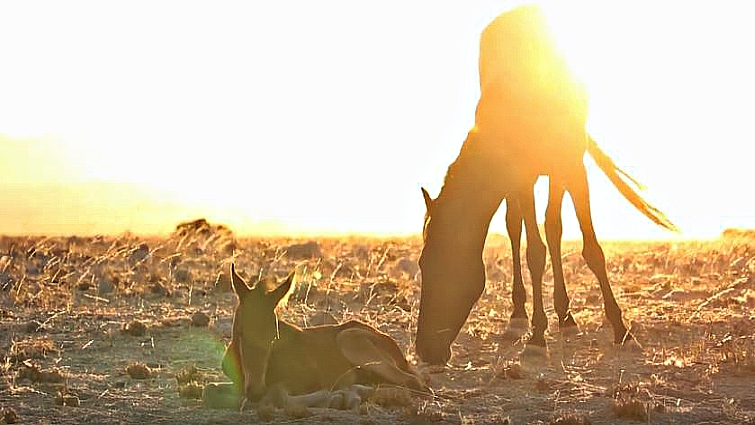
Recently, there’s been a shift. The Ministry of Environment and Tourism has finally taken action, implementing a hyena culling policy aimed at reducing predator pressure on the wild horse population. While this decision has sparked controversy—both from animal rights advocates and those questioning whether it aligns with national park principles—it signals that the government is beginning to recognize the value of these iconic animals and their tourism potential.
Mannfred Goldbeck expressed cautious optimism about the government’s involvement, though he noted concerns that the intervention might come too late. The critical question remains: will these measures be enough to reverse decades of decline and give the Namibian wild horses a fighting chance?
The Path Forward
The Namibian wild horses represent more than just a conservation challenge—they’re a symbol of nature’s resilience and humanity’s responsibility to protect the remarkable creatures we share this planet with. Their survival depends on continued government support, effective predator management, and innovative conservation strategies. As the debate over the best approach continues, one thing is certain: the world is watching, and the time to act is now.
For equestrian enthusiasts and wildlife lovers everywhere, the story of Namibia’s wild horses is a powerful reminder of why we must advocate for the preservation of these majestic animals and their habitat. The next chapter of their story is still being written—let’s hope it’s a tale of recovery, not extinction.