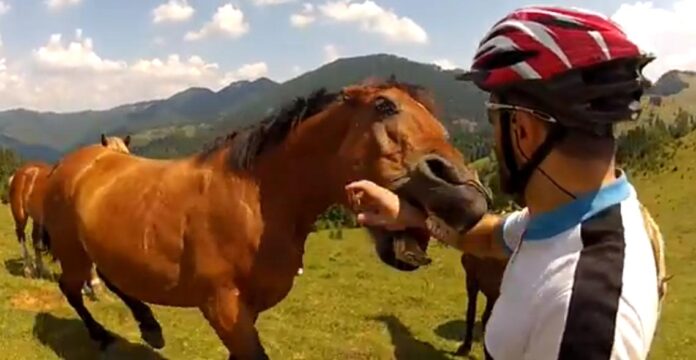

We all love horses for their gentle, nurturing nature—but these magnificent creatures can be unpredictable and potentially dangerous when provoked or startled. While serious equine incidents are rare, they serve as important reminders about proper animal handling and safety around horses.
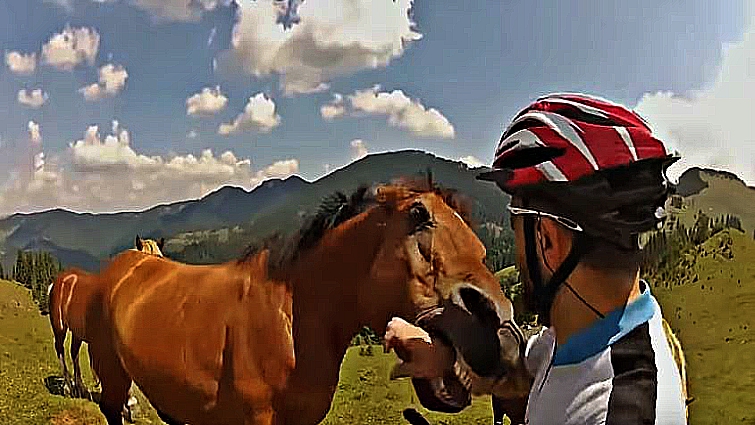
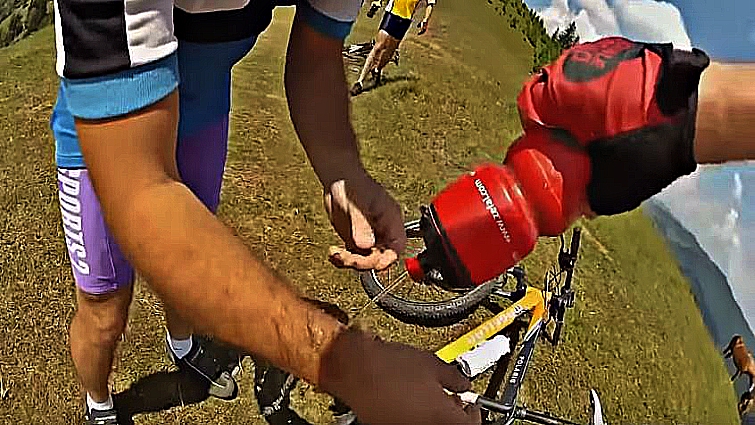
The video below captures a striking example of what can happen when someone approaches a horse without proper caution or understanding of equine behavior. A cyclist attempting to get close to a horse and offer affection gets a sharp lesson in respect—literally—when the horse bites his hand. The cyclist’s immediate reaction of dousing his hand with water tells you everything you need to know about the impact of that bite!
Understanding Horse Behavior: Is It Wild or Domestic?
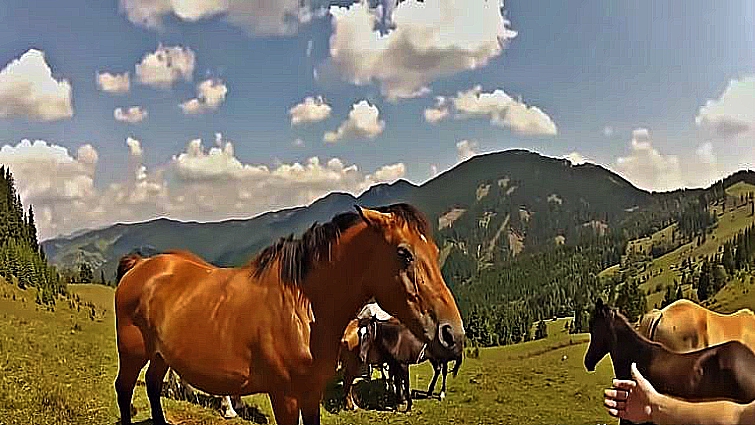
Looking at the horse in this incident, you’ll notice telltale signs that suggest it’s a domesticated horse rather than a truly wild animal. The hanging mane and overall appearance are typical characteristics of domestic horses that may have gone feral or are simply in an unfamiliar setting. This distinction is important—a horse that was once domesticated but isn’t accustomed to human interaction can be equally unpredictable and defensive.
Why Horses Bite: Reading Equine Body Language
Horses use biting as a form of communication and defense. When a horse feels threatened, cornered, or uncertain about a person’s intentions, it may resort to biting as a protective measure. The cyclist in this video likely missed critical warning signs that the horse was uncomfortable with his approach—signs that any experienced equestrian would recognize and respect.
Key Lessons in Horse Safety
Never approach an unfamiliar horse without permission or proper training. This is the golden rule of equine safety. Even the most docile-looking horse can react defensively if it feels threatened or hasn’t been properly socialized with strangers.
The cyclist in this video was fortunate that the incident resulted in only a bite. Horses are powerful animals, and their defensive reactions could have been far more severe—a kick, a full charge, or worse. He learned an expensive but valuable lesson in respecting animal boundaries.
What You Should Do Around Unfamiliar Horses
- Always ask the owner’s permission before approaching any horse
- Move slowly and speak in calm, quiet tones
- Approach from the side, never directly from behind
- Watch for warning signs: pinned ears, tail swishing, or backing away
- Never assume a horse is friendly based on appearance alone
- Keep your hands visible and move predictably
Whether you’re a casual horse lover or spend time around these animals regularly, respecting their space and understanding their behavior is essential. Horses deserve our admiration—from a safe and respectful distance. Watch the video above to see why this lesson matters, and remember: a moment of caution can prevent a lifetime of regret when it comes to interacting with horses.