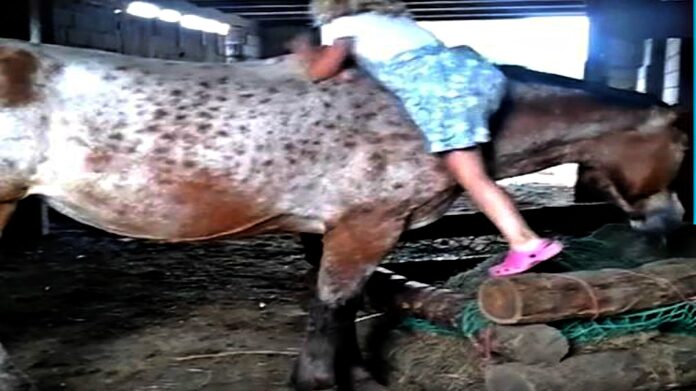

Remember your first time in the saddle? For many horse lovers, that initial ride ignites a lifelong passion for equestrianism. But not everyone has such a magical introduction to horses. Some first-time riders leave the experience disappointed, swearing they’ll never mount a horse again. While nerves and inexperience play a role, there’s often a more serious issue at play: improper education about horse safety and capabilities.
The Critical Importance of Weight and Load Management
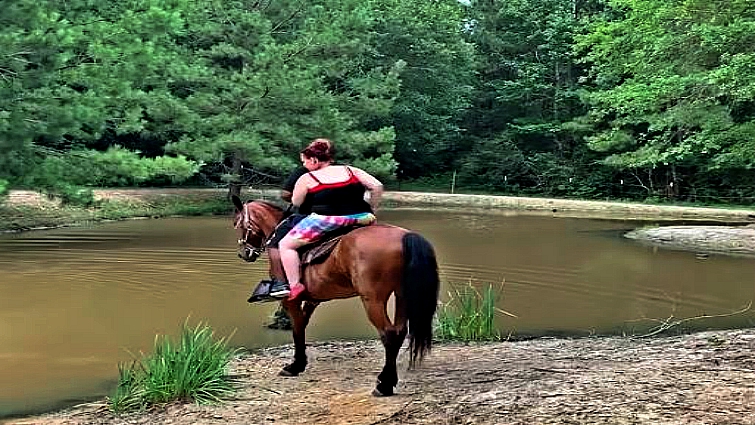
One of the most common mistakes we see with new riders is a fundamental misunderstanding of how much weight a horse can safely carry. Horses are powerful animals, but they have limits—and these limits are often exceeded by well-meaning but uninformed riders.
Consider this real-world scenario: two riders, both significantly overweight, attempt to ride the same horse simultaneously. The result? The horse becomes dangerously overloaded and can barely move, let alone perform safely. This isn’t the horse’s fault. It’s a failure of proper instruction and safety education.

Why This Matters for Horse Welfare
Horses aren’t machines designed to carry unlimited weight. Overloading can cause:
- Back injuries that may never fully heal
- Joint and leg problems from excessive strain
- Behavioral issues born from pain and discomfort
- Permanent loss of trust in human handlers
When a first-time rider has a negative experience due to poor safety practices, everyone loses—the rider, the horse, and the future of equestrian sports.
A Call to Action for the Equestrian Community
To anyone with horse experience and knowledge: please educate newcomers properly. If friends or family are considering horse riding, don’t just hand them a saddle. Share these crucial guidelines:
- Understand your horse’s weight capacity (typically 15-20% of the horse’s body weight)
- Never overload a single horse with multiple riders
- Start with qualified instructors who prioritize safety
- Respect the animal’s physical and emotional boundaries
- Remember: a positive first experience creates lifelong equestrians
Watch and Learn from Real Examples
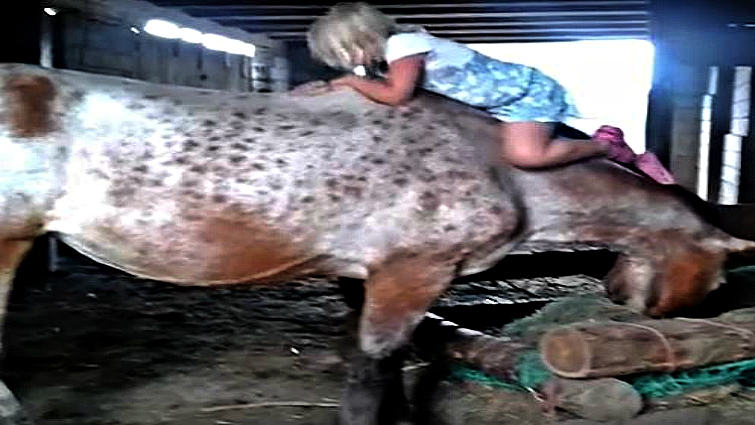
Check out this eye-opening video that captures some unfortunate first-time riding mishaps:
This video perfectly illustrates what happens when riders aren’t properly informed about horse capabilities. By watching, you’ll understand exactly why weight management and safety protocols are non-negotiable.
The Bottom Line
First-time horse riding should be thrilling, not traumatic. If you know someone interested in learning to ride, do them and the horses a favor: encourage them to seek proper instruction from certified professionals. Share this article with friends, family, and anyone considering their first ride.
Together, we can ensure that every first-time rider has a positive, safe, and unforgettable experience that launches them into a lifetime of horsemanship.
Have you had an unfortunate first ride experience? Or witnessed improper horse handling? Drop your thoughts in the comments below—we’d love to hear your perspective on keeping horses and riders safe!