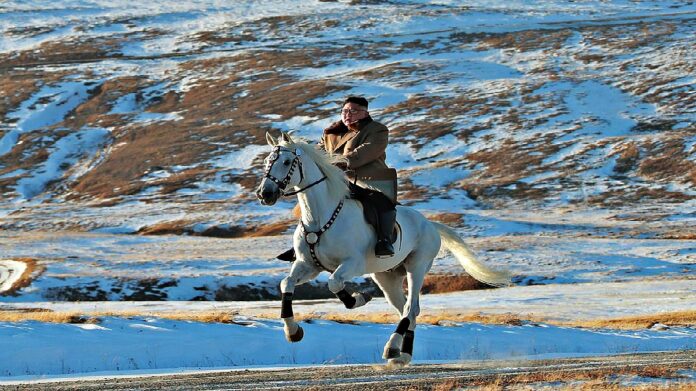

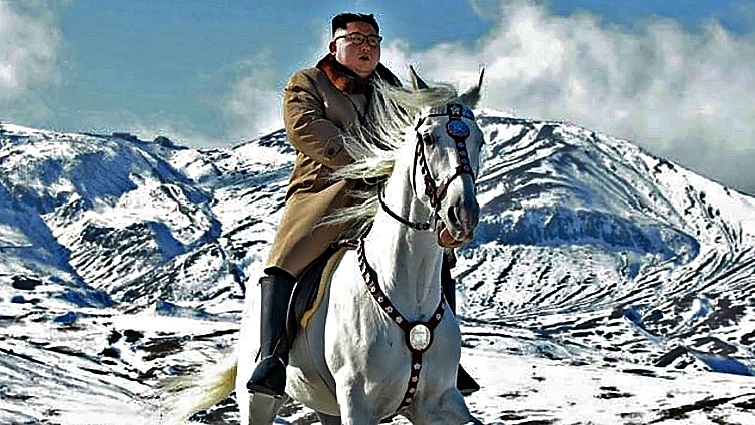
When it comes to powerful political leaders and equestrian pursuits, North Korea’s Kim Jong-un has certainly made headlines with his impressive horsemanship. Recently, the reclusive nation released striking photographs of their leader riding horses across the majestic Mount Baekdu, and the images have captured the attention of horse enthusiasts and political observers alike.
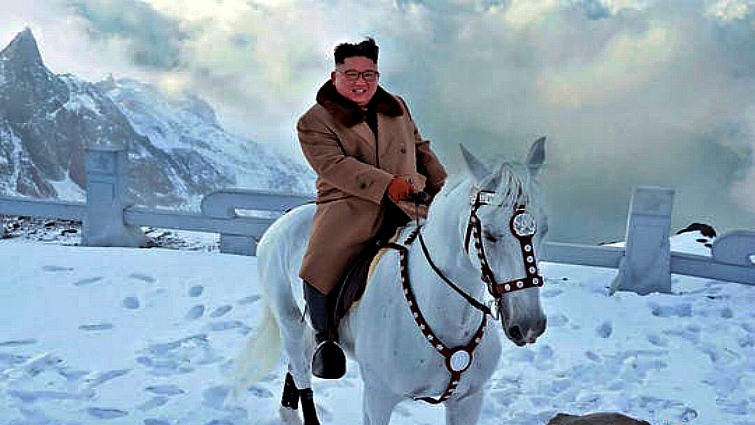
A Leader Who Embraces the Equestrian Tradition
Kim Jong-un, born after North Korea’s founding, is the world’s second youngest currently-serving head of government. What many don’t realize is that horseback riding holds a special place in his lifestyle. According to North Korea’s state news agency, the leader’s eyes were described as being “full of noble glitters” during these mountain rides—a poetic nod to the grace and dignity associated with horsemanship.
The Sacred Significance of Mount Baekdu
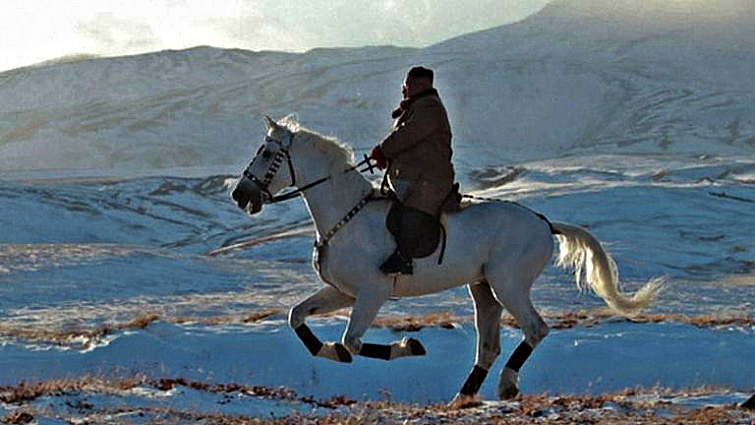
The backdrop for these remarkable photographs isn’t just any mountain—it’s Mount Baekdu, one of the most symbolically important locations in Korean culture. Known as Changbaishan in Chinese, this active volcano straddles the border between China and North Korea, and holds tremendous significance in Korean mythology as the legendary birthplace of the Korean people.
For North Korea, Mount Baekdu is far more than a natural wonder. It serves as a central pillar of national propaganda and a sacred destination where soldiers undertake pilgrimages to pledge their loyalty to their leader. Riding horses across this hallowed terrain is no casual activity—it’s a carefully orchestrated display of power, connection to national heritage, and equestrian skill.
A Growing Trend Among World Leaders
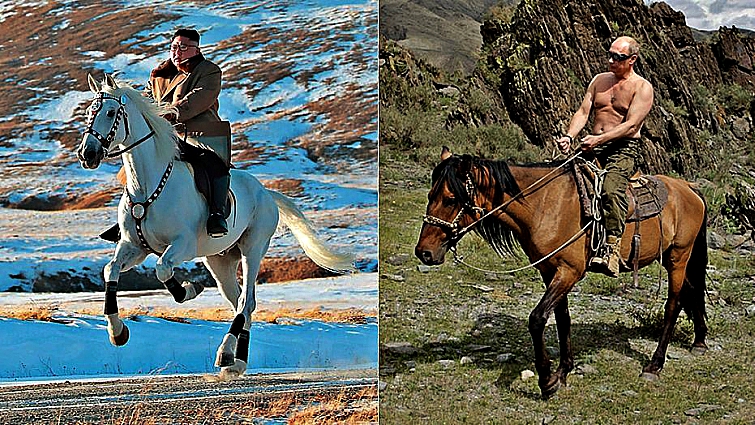
Kim Jong-un isn’t the first world leader to leverage the power of equestrian imagery. About a decade ago, Russian President Vladimir Putin was famously photographed horseback riding, showcasing his own connection to strength and tradition through horsemanship. These powerful images serve a dual purpose: they appeal to the horse-loving public while reinforcing an image of leadership strength and physical prowess.
What Does This Mean for Horse Enthusiasts?
Beyond the political implications, these photographs showcase the enduring appeal of horseback riding as a symbol of authority, tradition, and natural power. The images demonstrate that horses continue to be a powerful medium for connecting leaders with their people and their national heritage.
Whether you’re fascinated by the political messaging, the stunning mountain scenery, or simply appreciate skilled horsemanship, these Mount Baekdu photographs offer a unique glimpse into how equestrian tradition intersects with global politics.
What are your thoughts on these striking images? We’d love to hear from fellow horse lovers about the symbolism and significance of these photographs. Share your perspective in the comments below!