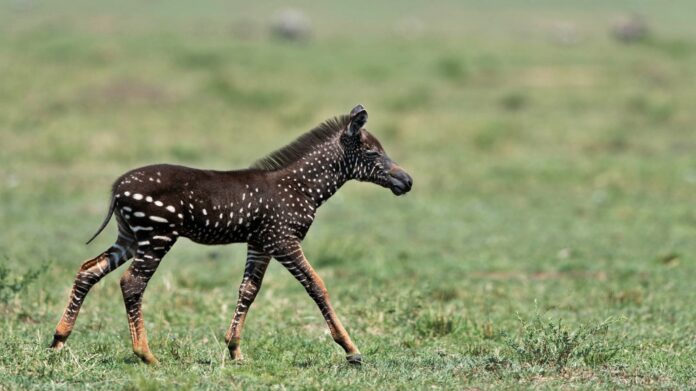

When we think of zebras, one image comes to mind: those iconic black and white stripes that make them instantly recognizable across the African savanna. But every so often, nature surprises us with something truly extraordinary. Meet Tira, a remarkable zebra foal who’s challenging everything we thought we knew about zebra coat patterns.
A Genetic Marvel: Understanding Pseudo-Melanism
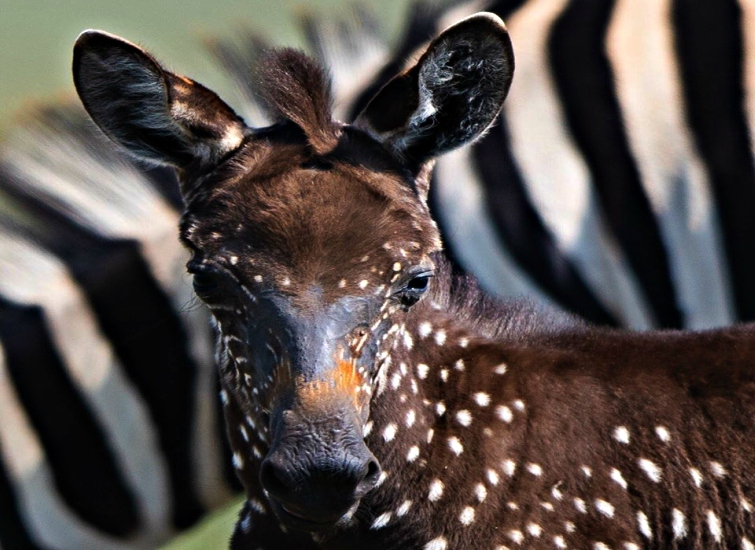
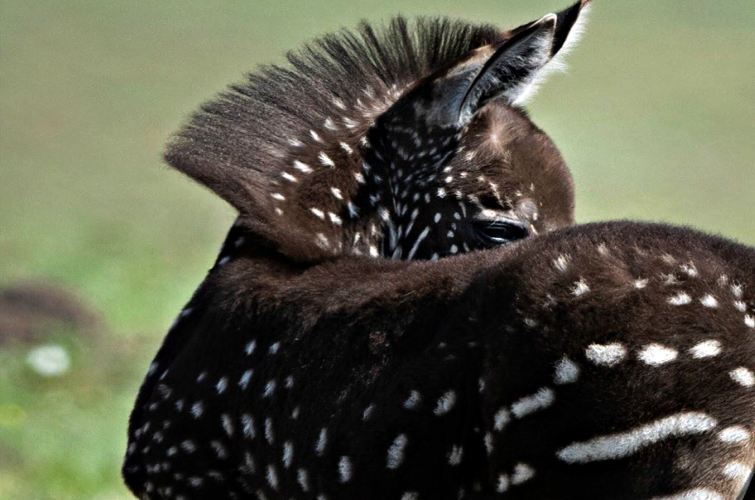
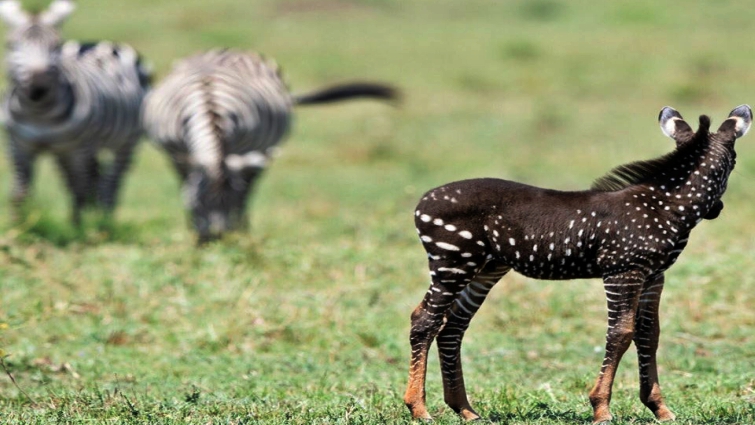
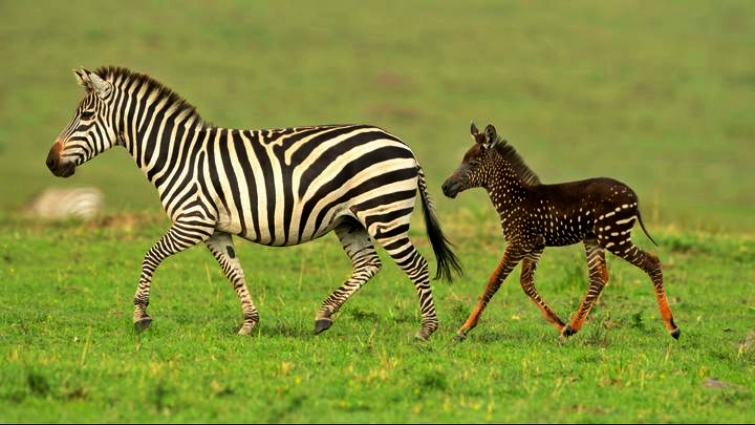
Instead of the standard stripe pattern her herd-mates sport, Tira displays an enchanting coat covered in spots rather than stripes. This stunning anomaly is caused by a genetic mutation called pseudo-melanism, which disrupts the normal pigmentation patterns in zebras. It’s so exceptionally rare that wildlife experts are still learning about this fascinating condition!
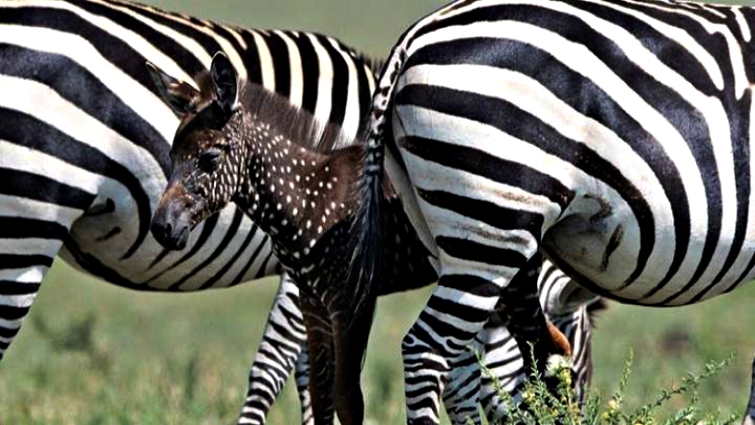
When renowned wildlife photographer Frank Liu first captured images of this precious foal just one week old, standing protectively beside her mother, the images sparked wonder in equestrian and wildlife communities worldwide. At first glance, you might do a double-take—but look closely, and there’s no denying Tira is indeed a healthy, thriving zebra.
Frank Liu’s Incredible Wildlife Photography
Frank Liu has built an impressive reputation for capturing breathtaking moments of wild animals in their natural habitats. His work with Tira showcases not only his technical skill but his dedication to documenting nature’s most remarkable creatures. Each photograph tells a story of survival, family bonds, and the sheer beauty of African wildlife.
You can see more of Frank’s stunning wildlife work on his Facebook page: Frank Liu Photography
A Rare Discovery in Botswana’s Okavango Delta
Wildlife experts have documented a small number of zebras with similar pseudo-melanism mutations in Botswana’s pristine Okavango Delta, though detailed information about these unique animals remains limited. Each sighting adds to our understanding of genetic diversity in wildlife and the remarkable adaptations that occur in nature.
Can Tira Live a Normal Life?
The wonderful news? Experts agree that despite her striking differences in appearance, Tira can live a completely normal life within her herd. Research on the few other spotted zebras documented in the wild suggests that these genetic variations don’t impact an animal’s ability to socialize, communicate, or eventually mate with other members of their species.
This is incredibly encouraging for Tira’s future. Her mother’s protective presence and the herd’s acceptance mean she has every opportunity to thrive in the African wilderness.
Celebrating Nature’s Diversity
Tira’s story reminds us why wildlife conservation matters so deeply. Every animal, regardless of appearance, deserves the chance to live freely and fully in their natural environment. As horse and animal lovers, we’re inspired by moments like these—when nature creates something so beautifully unique that it captures our hearts and expands our understanding of the animal kingdom.
Here’s to Tira: may she live the long, healthy, and beautiful life she absolutely deserves, spotted coat and all. She’s proof that being different isn’t just accepted in the wild—it’s part of nature’s extraordinary tapestry.