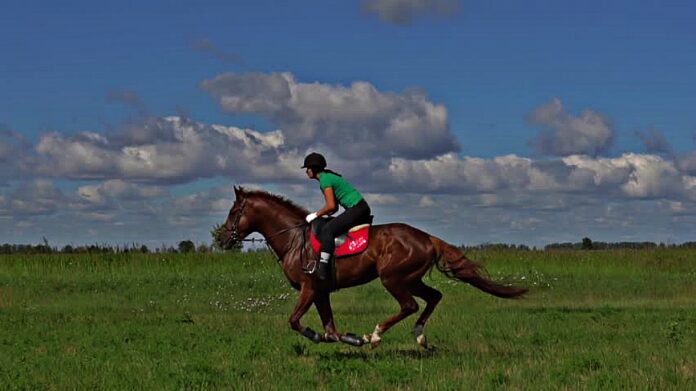

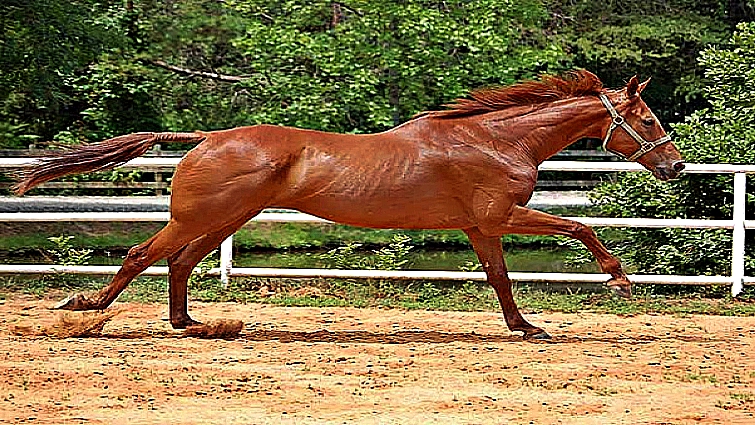
Breakthrough research from the Royal Veterinary College (RVC) is changing how we understand racehorse biomechanics. Scientists have discovered that racehorses use significantly less energy to gallop than previously thought—challenging decades of assumptions about equine physiology.
Revolutionary Testing Methods Reveal New Insights
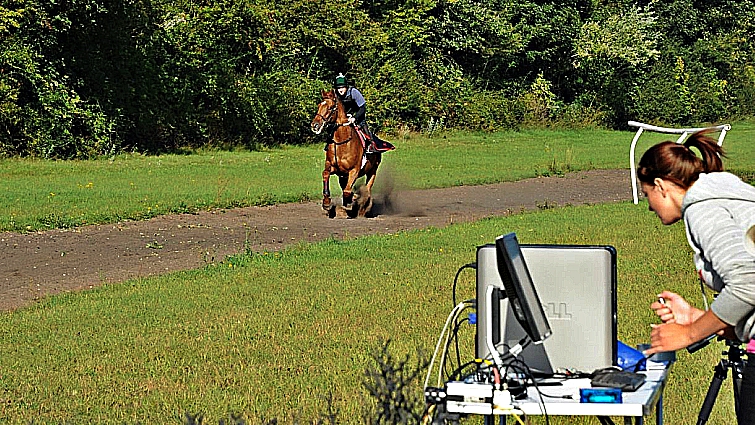
For the first time ever, researchers employed force plate technology on large animals moving at high speeds. This cutting-edge measuring instrument detects ground reaction forces with unprecedented accuracy, allowing scientists to precisely calculate the external work involved in galloping—how much effort horses must expend to move through their environment.
“This groundbreaking technique has never been used on such large animals at high speed before,” explained an RVC spokesperson. “The results showed horses require much lower levels of external work than previously reported using older measurement methods.”
How the Study Worked
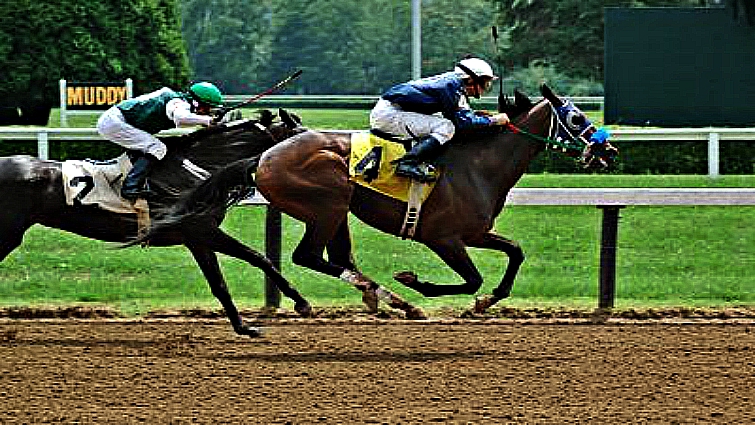
The research team conducted their experiment at the prestigious British Racing School in Newmarket. A skilled jockey rode seven racehorses across an instrumented runway equipped with sensors embedded beneath the track surface. These advanced sensors directly measured the external mechanical work of galloping by capturing the precise forces each horse exerted on the ground.
The results were surprising: the new measurements produced significantly lower external work values than all previously reported figures—suggesting horses are far more efficient runners than scientists believed.
Why These Findings Make Sense
The RVC spokesman noted that these discoveries actually align perfectly with equine evolution: “High external work values would make covering long distances incredibly difficult. But horses evolved specifically to gallop efficiently over vast distances. Our new results support that biological reality.”
This revelation helps explain why horses have dominated long-distance travel throughout human history and why racehorses can maintain such impressive speeds over extended races.
Calculating True Muscle Efficiency
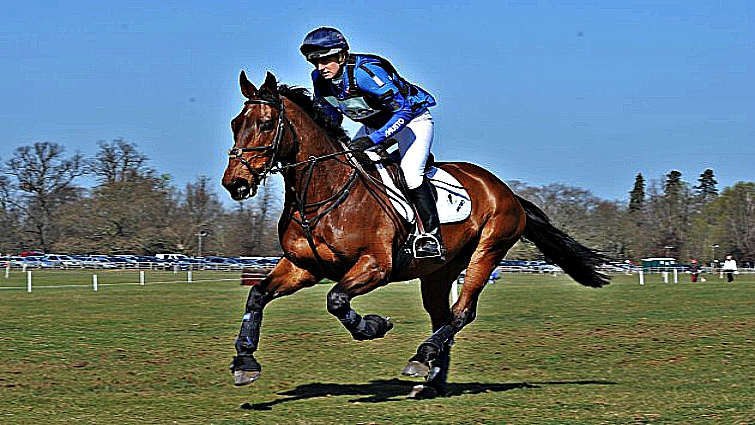
The research team took their analysis one step further. By combining their external work measurements with published data on metabolic work (how the body converts food into muscle energy) and internal mechanical work (the energy needed to move limbs relative to the body), they calculated the apparent muscle efficiency of galloping horses.
The results were impressive: racehorse muscle efficiency ranges between 37 and 46%—significantly higher than previous estimates suggested.
What This Means for Equestrian Science
This landmark study provides invaluable insights into racehorse movement and biomechanics. Understanding how horses achieve such remarkable efficiency at high speeds opens new doors for improving training methods, preventing injuries, and optimizing performance.
“These findings will give us useful insight into how racehorses move so efficiently over long distances,” the RVC spokesman concluded. For equestrian enthusiasts and professionals, this research confirms what many have long suspected: horses are nature’s perfectly engineered distance runners.
As the racing world continues to evolve, science like this helps us better understand and care for these magnificent athletes.