

Horse owners have long suspected their equine companions understand their moods, and now science has confirmed what many of us already knew: horses can genuinely read your emotions. A fascinating new study from the University of Sussex has provided the first definitive evidence that horses recognize human facial expressions and respond accordingly to what they see.
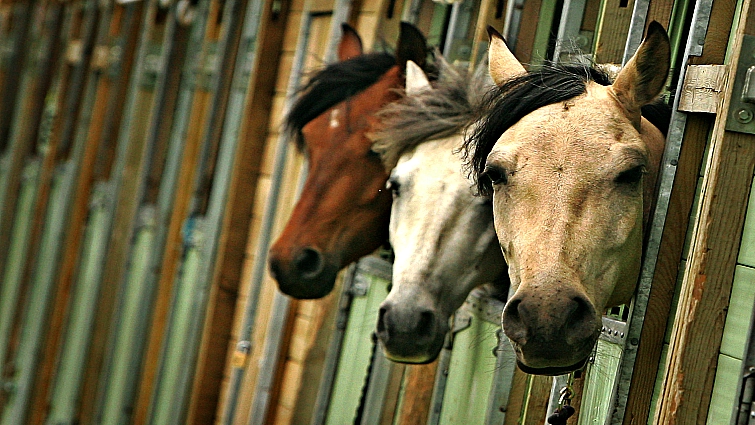
The Groundbreaking Research
In this landmark study, researchers showed 28 horses photographs of human faces displaying angry and happy expressions. The results were striking: when presented with angry faces, the horses exhibited measurable physiological responses including elevated heart rates and increased stress-related behaviors. Even more remarkably, the horses consistently turned their heads to view the angry images with their left eye—a stress response observed across many animal species.
What makes this research truly revolutionary is that the horses reacted to these threatening facial expressions from photographs alone, with no other stimuli present. This marks the first time researchers have documented that facial expressions can directly affect heart rate across different species. According to the study’s findings, no other animal has demonstrated this ability before.
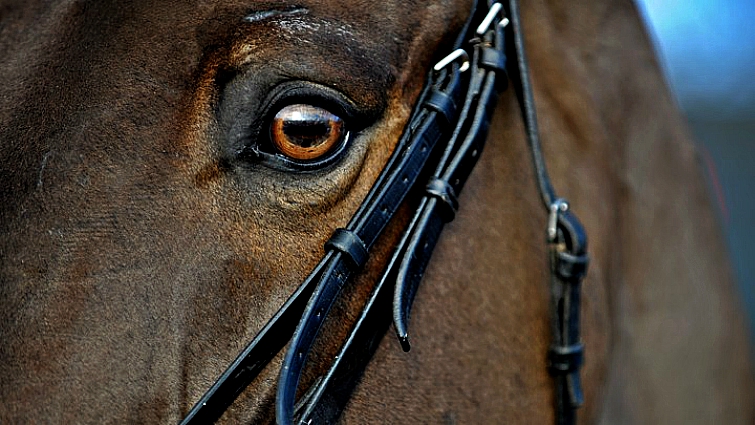
The Happy Factor (Or Lack Thereof)
Interestingly, when the same horses viewed photographs of happy human faces, their reactions were notably subdued. This might explain why your horse seems far more interested in your frustrated demeanor than your cheerful mood—essentially confirming what many horse owners already suspected: horses can indeed be selective about which emotions capture their attention.
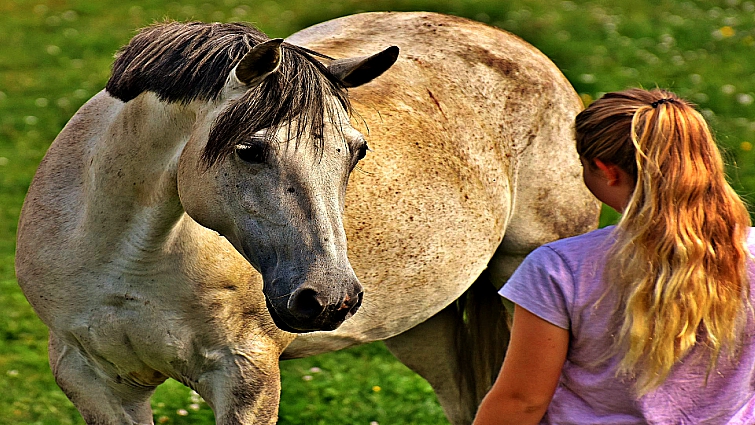
How Did Horses Develop This Ability?
Professor Karen McComb, one of the lead researchers on the project, suggests two compelling explanations for this remarkable ability. First, horses have been domesticated since approximately 3500 B.C.—thousands of years of close interaction with humans. This extended relationship may have allowed horses to evolve an ancestral ability for reading emotional cues, giving them a selective advantage in their domestic environments.
The second possibility is equally intriguing: individual horses may simply learn to read human facial expressions during their own lifetimes. The 28 research subjects came from riding and livery barns in Sussex and Surrey, UK, meaning they had substantial exposure to human handlers and their varied emotional states.
“What’s interesting is that accurate assessment of negative emotion is possible across the species barrier despite the dramatic difference in facial morphology between horses and humans,” McComb explained, highlighting just how sophisticated this cross-species communication truly is.
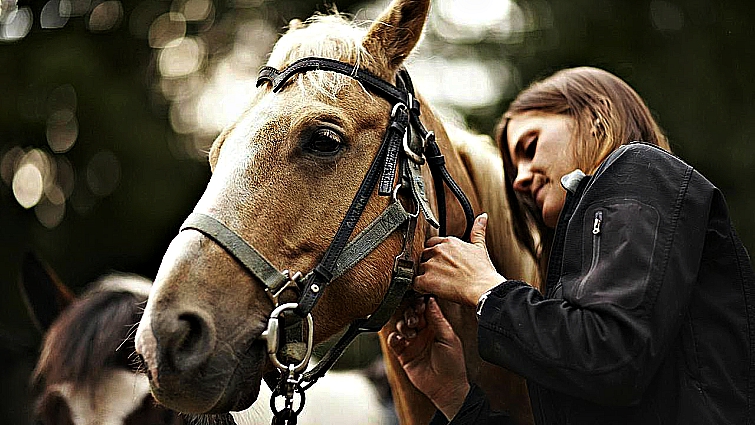
Beyond the Research: Equine Emotional Intelligence
While this study provides the first solid scientific proof, the emotional intelligence of horses has been well-documented for years. Equine Assisted Therapy has become increasingly popular because practitioners recognize that horses help people slow down, reduce stress, and relax in profound ways. There’s clearly something special about the human-horse bond that goes beyond simple animal behavior.
The connection runs deep—just ask anyone who’s ever experienced the calm presence of a horse during a difficult time, or watched how these magnificent creatures seem to sense when their handlers need comfort.
Final Thoughts
So next time your horse seems to know you’re having a bad day, remember: they probably do. This groundbreaking research from the University of Sussex confirms that your equine partner is far more emotionally attuned to you than you might have realized. It’s just one more reason why horses have captivated humans for millennia—and why the bond between horse and rider remains one of nature’s most special connections.