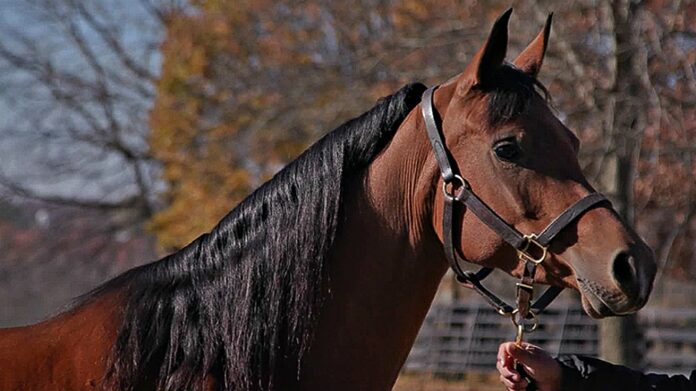

Understanding Shanking in Arabian Halter Competition
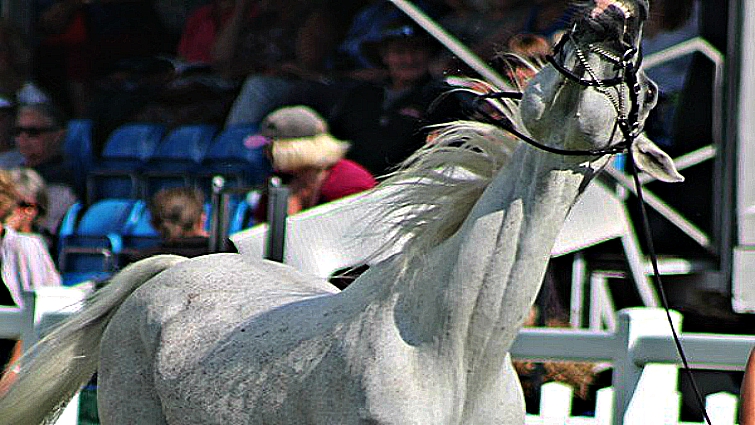
The world of Arabian horse showing has been buzzing with an important conversation about handler ethics and horse welfare. At the center of this debate is a controversial practice called shanking—a technique where handlers violently jerk on a lead line, often with a chain positioned under the horse’s chin. This practice became the focal point of significant scrutiny following allegations at the US Arabian and Half-Arabian National Championship Horse Show.
The Controversy Unfolds
Passionate advocates for equine welfare raised serious concerns about abusive correction techniques being used on show horses. The allegations specifically included instances of shanking and threatening whip use by certain handlers—practices that sparked legitimate questions about whether these methods align with modern standards of horsemanship and animal care.
These concerns led to formal protests and calls for penalties under the Arabian Horse Association’s rules. The case drew significant attention because it challenged whether the US Equestrian Federation was properly protecting Arabian show horses from harmful handling practices.
What USEF’s Hearing Committee Decided
After careful consideration, the USEF Hearing Committee issued its ruling on rule AR116.6a3. Here’s what they determined: shanking is only permitted in Arabian halter classes during genuine emergency situations where a horse becomes dangerously unruly and immediate control is necessary to prevent harm to the animal or others nearby.
The committee provided a clear definition of prohibited shanking behavior: situations where a handler jerks hard on the lead, yanking the horse’s head and causing the neck to twist or torque in another direction, forcing the horse to abruptly shift its body posture to compensate. This type of handling crosses the line from acceptable correction into intimidation.
The Ruling: Protection Through Clear Guidelines
The hearing committee made an important distinction by recognizing shanking as “intimidating behavior that is disallowed under AR115.” Furthermore, they established that this practice could be considered abuse or inhumane treatment under rule GR839—except in the specific circumstance where a horse becomes dangerously out of control and poses an immediate threat to itself or others.
This ruling represents a meaningful step toward ensuring that Arabian horses receive humane treatment while still allowing handlers to maintain safety in unpredictable situations. It draws a clear line between legitimate control techniques and abusive practices that have no place in the show ring.
What Does This Mean for the Sport?
For handlers and trainers in the Arabian halter community, this decision provides important clarity. The message is unambiguous: treat your horses with respect and use gentle, humane handling methods. Emergency situations certainly arise, but routine use of harsh correction techniques is now explicitly prohibited.
This ruling strengthens the connection between handlers and their horses while upholding the highest standards of equestrian ethics. It ensures that competition success never comes at the expense of horse welfare—a principle that defines responsible horsemanship.
Your Thoughts Matter
We’d love to hear your perspective on this important topic! Do you think USEF’s ruling strikes the right balance between handler safety and horse welfare? Is this the proper way to keep a show horse under control while competing at the highest levels? Share your thoughts and experiences in the comments section below—let’s keep this conversation going!