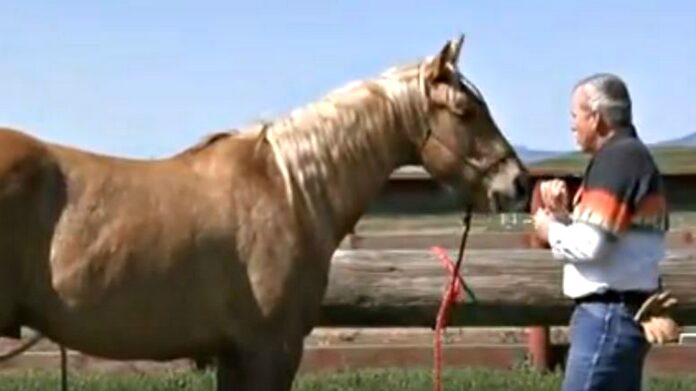

Getting a young horse to accept its first rider is one of the most critical milestones in equine training. Without proper technique and patience, this pivotal moment can turn dangerous for both horse and handler. That’s why understanding proven horsemanship methods is essential for anyone working with unbroke or young horses.
Rick Gore, a renowned horsemanship expert, has developed a systematic approach to introducing young horses to riders that prioritizes both safety and the horse’s emotional well-being. His philosophy centers on desensitization and gradual pressure application—allowing horses to build confidence rather than forcing compliance.
The Foundation: Gradual Pressure Introduction
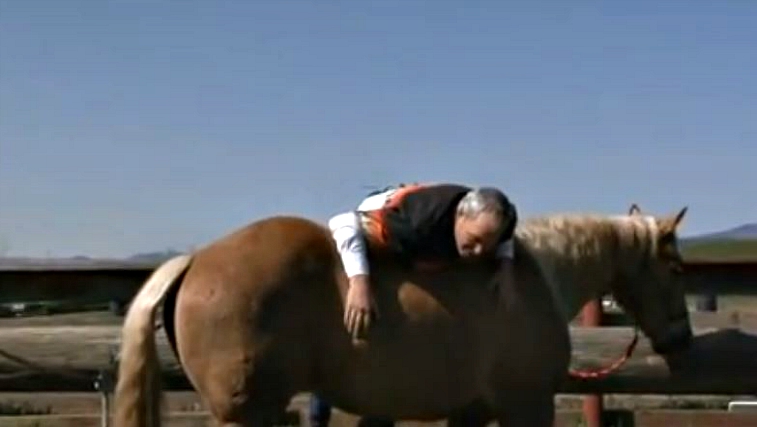
The journey begins long before a rider ever mounts. Rick’s technique involves slowly acclimating the horse to weight and movement around its body. This might include leaning against the horse, applying gentle pressure along the sides, or even light jumping to simulate the feeling of a rider’s movement. Think of it as teaching the horse’s mind and body to accept external stimuli without fear.
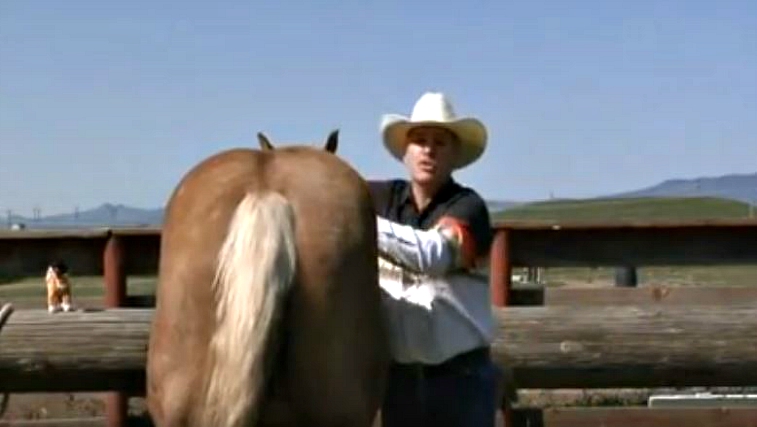
These foundational exercises build trust and prepare the horse’s nervous system for what’s to come. A horse that panics under saddle hasn’t learned to trust the process—and that’s often because the pressure was introduced too quickly.
Desensitization: The Key to Confidence
Rick incorporates strategic desensitization techniques that help young horses overcome natural anxiety about carrying a rider. This isn’t about overwhelming the horse; it’s about exposing them to new sensations in controlled, manageable doses. Each positive experience builds the horse’s confidence and willingness to cooperate.
Pressure and Release: The Secret Sauce
Here’s where the real magic happens. The pressure-and-release method is the cornerstone of Rick’s training philosophy, and it’s what separates skilled horsemanship from brute force.
Applying pressure alone won’t work. Any handler can push a horse around, but true horsemanship requires the release—that moment when the horse does the right thing and the pressure disappears. This immediate reward is far more powerful than any amount of continued pressure could ever be.
The timing and feel required to execute this technique properly comes only with experience. An expert trainer understands the horse’s body language, knows exactly when to release pressure, and feels the horse’s responses at a level that can’t be taught in a textbook. They’re reading the horse’s mind and responding in real-time.
See It in Action
Watching a master at work is one of the best ways to understand these principles. Check out Rick Gore demonstrating these techniques with a young horse:
Patience Pays Off
The most important takeaway? Rushing this process rarely ends well. Taking time to properly prepare a young horse for its first rider creates a solid foundation for years of safe, enjoyable riding ahead. Understanding your horse, reading its signals, and applying pressure with intelligent release will get you where you need to go—faster than force ever could.
Whether you’re training your own young horse or simply want to improve your horsemanship skills, these principles deserve serious study and practice. Your future partnership with your horse depends on it.