
Understanding horse behavior is one of the greatest challenges we face as equestrians. The more time we spend around these magnificent creatures, the more we discover just how complex and sometimes unpredictable they truly are. While horses offer us tremendous joy, emotional connection, and positive energy, they can also react aggressively when pushed beyond their limits—and there’s always a reason why.
Horse aggression and bucking behaviors stem from multiple causes, and many equestrians don’t fully understand what triggers these reactions. Pain from undiagnosed health issues, improper training methods, and excessive pressure are common culprits. When trainers and riders prioritize flawless performances over their horse’s wellbeing, demanding intense training without adequate rest, the consequences can be serious. Horses may have impressive endurance, but they’re not machines, and ignoring their physical and mental needs will inevitably backfire.
What Happened at the Big Lick Championship?
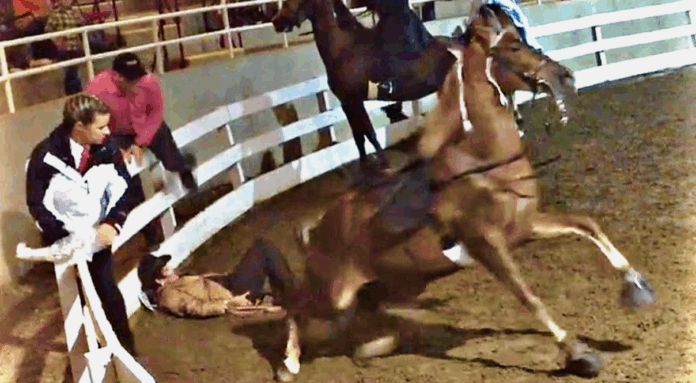
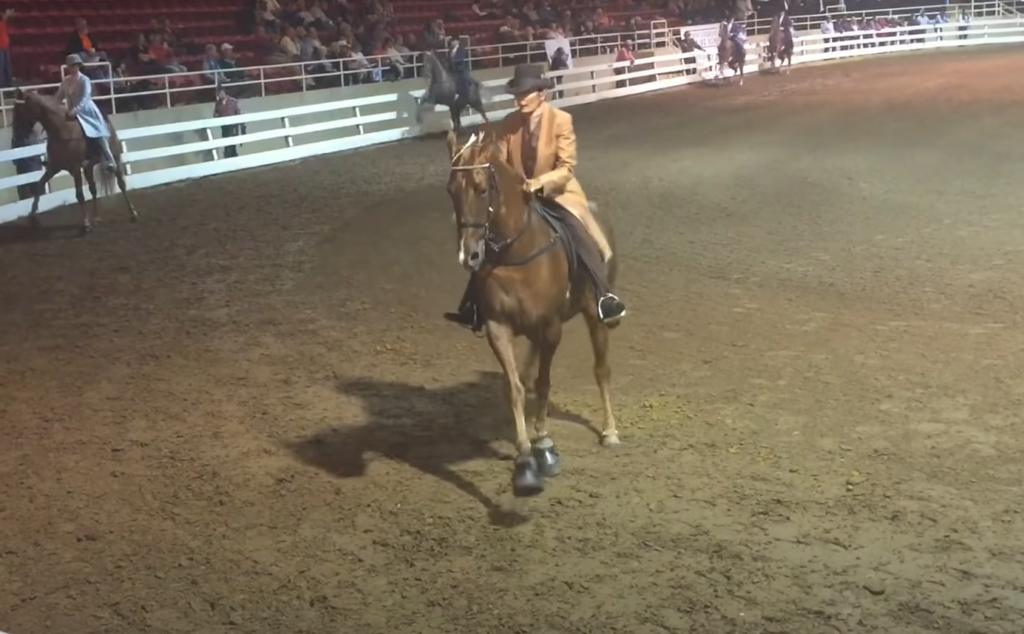
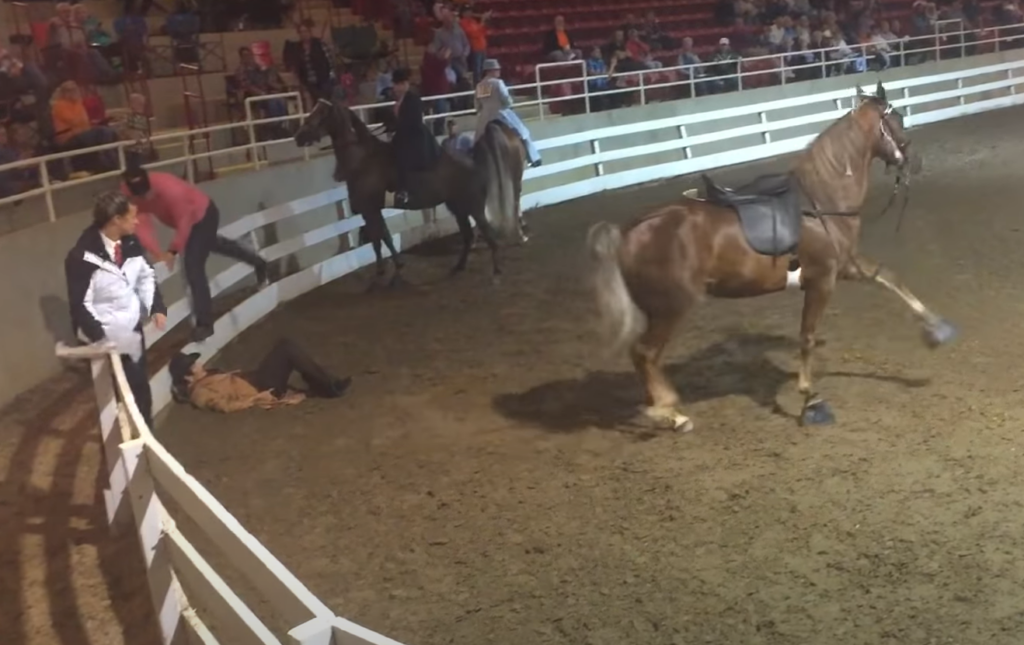
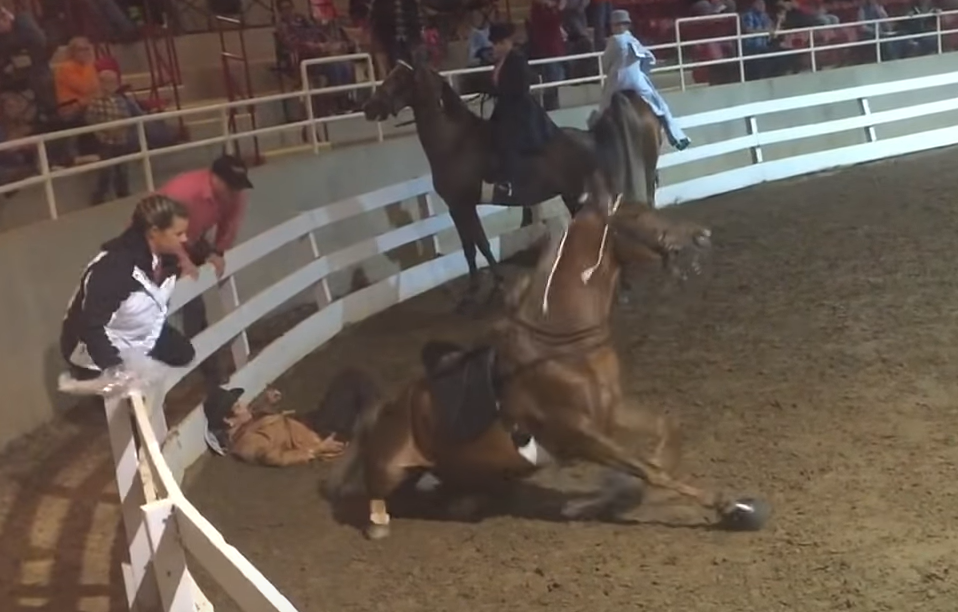
During the Big Lick North Carolina Championship Horse Show at the Western NC Agricultural Center in Asheville, a Tennessee Walking Horse competing in the Amateur Specialty Gelding Class made a powerful statement—he threw his rider to the ground. Several spectators immediately pointed out what they observed: this horse’s aggressive reaction was a direct response to pain and abuse.
The Dark Side of Big Lick Training
The “Big Lick” discipline is controversial for good reason. Trainers use harsh, unnatural methods to force these horses into exaggerated gaits that don’t align with equine biomechanics. Horses’ legs and hooves simply aren’t designed to perform these artificial movements, and the training techniques used to achieve them often involve unnecessary pain and stress.
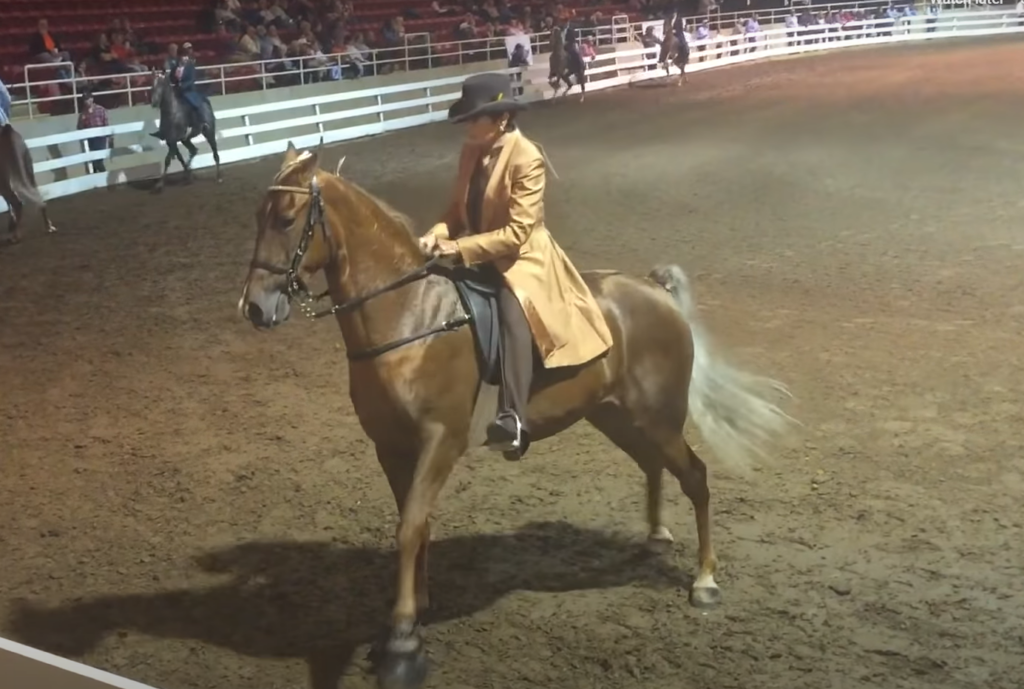
Forcing a horse to move in an unnatural, exaggerated way isn’t something any ethical horse owner, trainer, or rider should accept. The horses subjected to these practices can’t consent, can’t voice their suffering, and can’t escape. If we truly love horses, we must reject training methods that prioritize appearance over animal welfare.
The Horse’s Message
This Tennessee Walking Horse didn’t buck out of spite or meanness—he bucked because he was in pain and had reached his breaking point. His body was sending a message his rider failed to heed. When a horse resorts to bucking, it’s often their last resort for communication when other signals have been ignored.
A Lesson for All Riders
This incident should serve as a powerful reminder to every equestrian: your horse’s health and happiness must come before any ribbon, trophy, or audience applause. If you aren’t taking proper care of your horse—if you’re overtraining, ignoring pain signals, or using harsh methods—you could face the same outcome.
Horses deserve our respect, compassion, and commitment to ethical horsemanship. Whether you ride for competition, recreation, or therapy, remember that the bond between horse and rider is built on trust. Break that trust through abuse or neglect, and you risk not only your safety but the wellbeing of a creature that depends entirely on you.
If you care about horses, please share this story and help raise awareness about the importance of humane training practices. Together, we can create a horse sport community that celebrates the beauty and athleticism of these amazing animals—without causing them suffering.