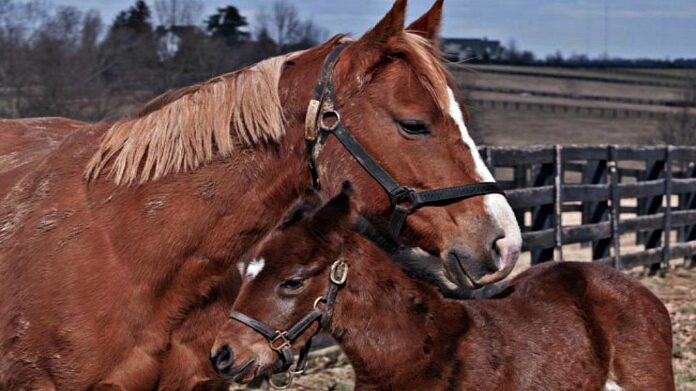

The thoroughbred racing and breeding industries have long relied on a practice that remains largely hidden from public view: the use of “nurse mares” to care for valuable foals. But behind this euphemistic term lies a troubling reality that deserves serious attention from everyone who loves horses.
Understanding the Nurse Mare Industry
These mares are often called “junk mares”—a harsh term that reveals much about how they’re valued in the breeding world. Unlike the prestigious bloodlines commanding millions of dollars, nurse mares are bred specifically to produce milk for more valuable foals. What began as a compassionate solution for rejected or orphaned foals has transformed into a profitable industry that prioritizes profit over welfare.
The Relentless Cycle of Exploitation
Here’s where the system becomes truly troubling. Elite mares—those who’ve produced champion foals—are pushed into an endless cycle of breeding and lactation. With an 11-month gestation period and mares entering heat just 7-10 days after giving birth, they’re immediately re-bred to produce the next potential champion. This unnatural rhythm pushes their bodies to extreme biological limits.
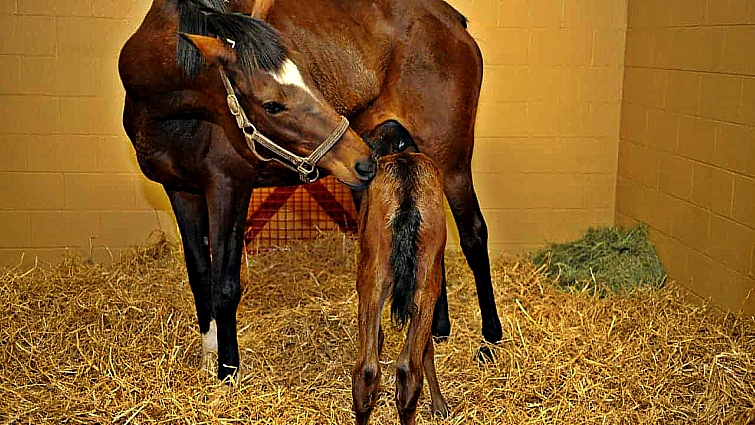
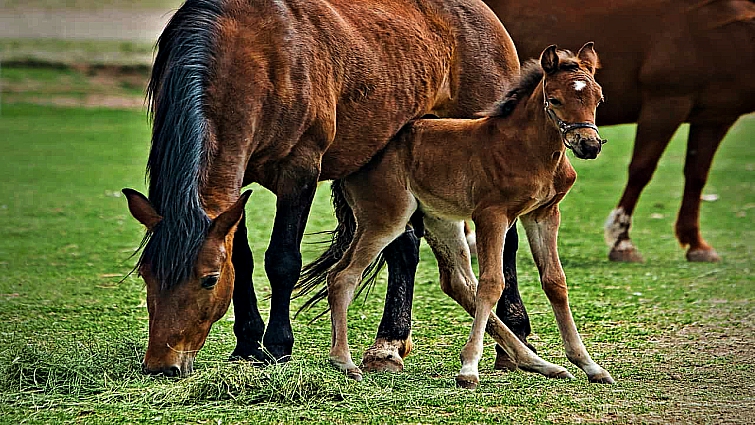
Because valuable thoroughbred mares cannot travel safely with their foals for live breeding, nurse mares serve a critical function: they separate from their own newborns to nurse the “privileged” foals at breeding farms. Once their lactation duty ends, they’re re-bred and the cycle continues. It’s equine exploitation dressed up in industry necessity.
The Growing Problem of Overbreeding
The nurse mare industry is a symptom of a much larger disease: pandemic-level overbreeding in thoroughbred racing. The relentless pursuit of the “next champion” has created exponential numbers of unwanted horses with no commercial value. When nurse mares and other surplus horses are no longer useful, they often face a devastating final destination.
A Harsh Reality: From Mothers to Victims
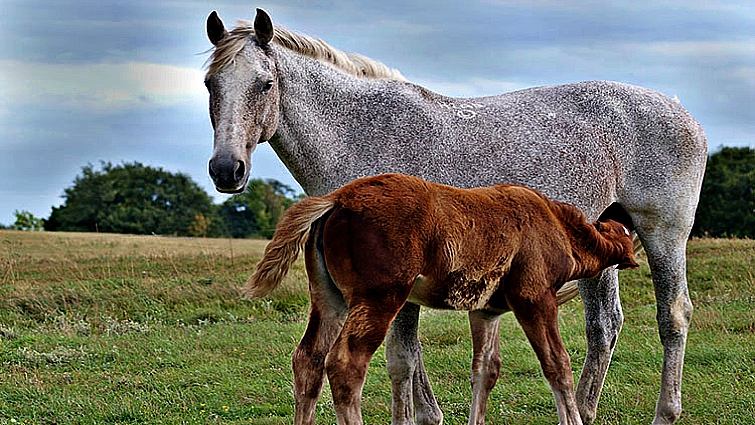
The human cost of this system is equally significant. Breeding farm operators prioritize profit margins over animal welfare, viewing these mares as temporary milk machines rather than sentient beings with maternal instincts. The emotional and physical toll of separating a mare from her foal while forcing her to nurse a stranger’s baby is immeasurable.
What makes this especially tragic is that nurse mares often face dire circumstances once their usefulness expires. The connection between overbreeding and the horse slaughter industry cannot be ignored—many of these mares end up in the slaughter pipeline, their bodies worn out from endless cycles of pregnancy and lactation.
Why This Matters to Horse Lovers
The nurse mare industry represents everything wrong with prioritizing profit over compassion in horse breeding. It’s a system that treats living, feeling creatures as disposable commodities. For those of us who love horses, understanding this reality is the first step toward creating change.
By raising awareness about nurse mares and supporting organizations dedicated to equine welfare, we can push for reform in thoroughbred breeding practices. Every horse—whether carrying a champion bloodline or labeled as “junk”—deserves dignity, proper care, and the chance to live a life free from exploitation.
The question facing our equestrian community is simple: How much longer will we accept a system that sacrifices the welfare of many horses in pursuit of breeding the perfect few?