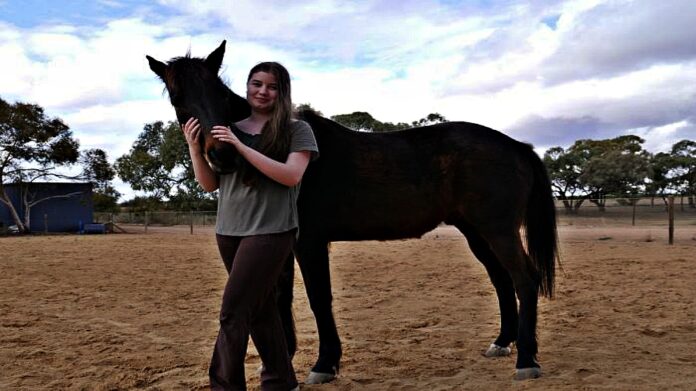

In the quiet border town of Buronga, near Mildura in far-west New South Wales, an extraordinary bond is unfolding between a teenage girl and an elderly horse named Psalm. For more than a year, 15-year-old Rachel Kellie has been experiencing the transformative power of equine therapy—and the results are nothing short of remarkable.
Finding Confidence Through Connection
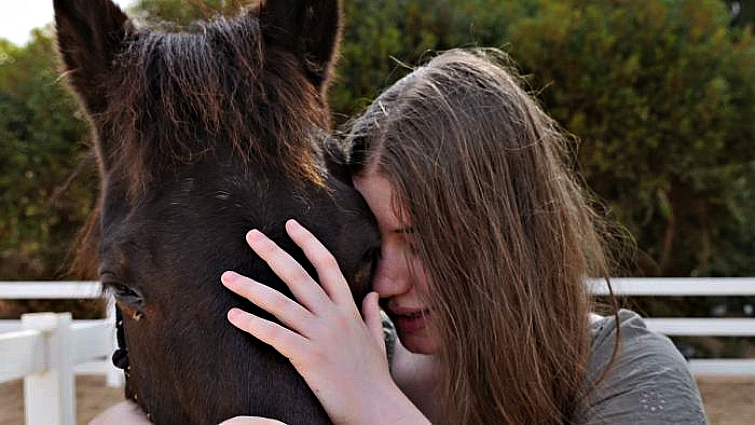
Rachel’s journey with equine therapy began when she started working with Psalm at a therapeutic riding center along the Murray River. The difference in her demeanor is striking, and Rachel herself articulates it beautifully: “Whenever I’m around Psalm, I’m a lot calmer and a lot more courageous than I would normally be. When I’m not around horses, there’s just a lot of things I never say.”
Her mother has noticed the profound changes too. “She thinks I’m a completely different person,” Rachel explains. “She says it’s like seeing the real me for the first time.”
The Science Behind the Therapy
Equine therapy works on a principle that many horse lovers instinctively understand: horses are incredibly perceptive animals that respond to our energy and body language. According to Dr. Abbenhuys, who oversees the therapy program, this natural communication style is exactly what makes equine therapy so effective.
“A lot of people who come to us are quite shy and not particularly vocal in their communication,” Dr. Abbenhuys explains. “They automatically use their physical skills and body energy when working with horses, and the horses pick up on that because that’s how they communicate with each other.”
Breaking Through Barriers
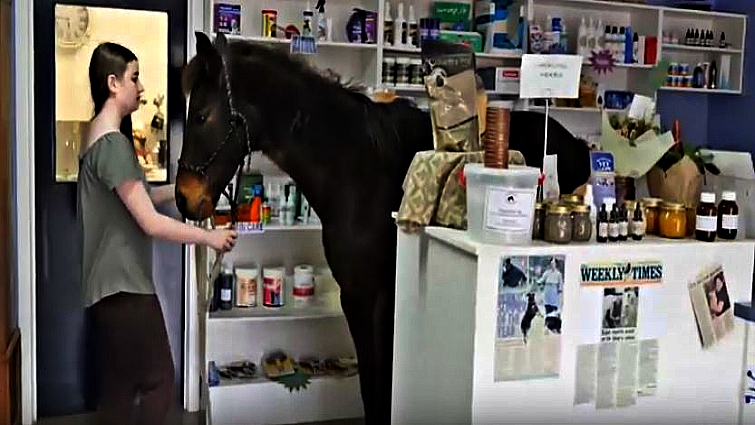
The bond Rachel has formed with Psalm has been nothing short of life-changing. Dr. Abbenhuys has witnessed her remarkable progress firsthand: “I’ve been astounded by the level of detail that Rachel has been able to verbalize—things that she probably knew last year but didn’t have the confidence to say.”
This is the real magic of equine therapy. It’s not just about the physical connection with these gentle animals; it’s about the emotional safety they provide. For individuals with autism or social anxiety, horses offer a non-judgmental presence that allows them to lower their defenses and express themselves more authentically.
A Growing Movement
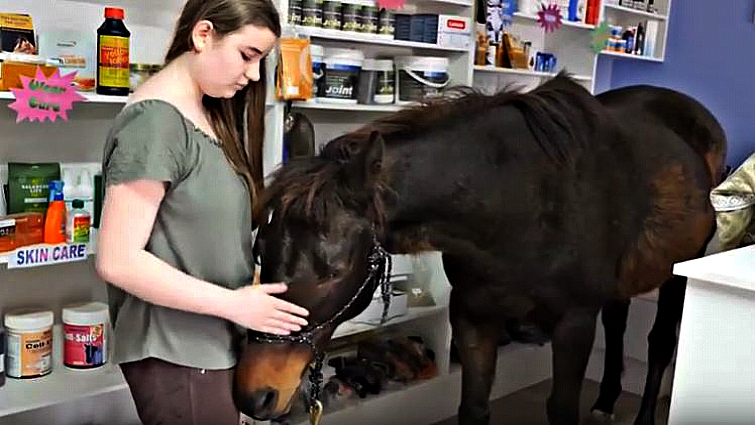
Rachel’s story is one of many that highlights the powerful therapeutic benefits of horses. Equine therapy programs around the world are helping individuals overcome challenges ranging from autism and anxiety to PTSD and physical disabilities. The partnership between horse and human creates a unique healing environment where progress happens naturally.
As Rachel continues her sessions with Psalm, she’s discovering more of herself with each interaction. That’s the promise of equine therapy—bringing out the best in us, one session at a time.