
If you’re a horse owner or enthusiast, you already know one of the simplest truths about our equine partners: horses are happiest when they’re running free in an open field. There’s something magical about watching a horse stretch its legs, feel the grass beneath its hooves, and experience the pure joy of movement and freedom.
Most of us have experienced the challenge of keeping a horse stalled for extended periods. Maybe your horse recovered from an injury, dealt with severe weather, or faced another situation that required stall rest. During these times, you can see the frustration building—that distant look in their eyes as they mentally pace the pastures they long to explore.
Understanding Your Horse’s Need for Freedom
Despite centuries of domestication, horses remain fundamentally wild animals driven by natural instincts. They’re herd animals designed to roam, graze, and move across vast distances. Confining them to a stall, no matter how comfortable or luxurious, goes against their very nature. You’ve probably noticed that even horses with the finest amenities seem subdued when stabled for long periods. That’s not a personality quirk—it’s a genuine psychological need for space and movement.
Charlie’s Journey Back to Freedom
Charlie’s story perfectly illustrates this truth. After suffering a leg injury, Charlie spent approximately two months confined to his stable while healing. During that time, he was forced to surrender the one thing he loved most: running free in open pasture. Two months might not seem like an eternity to us, but for an active horse accustomed to daily turnout, it’s an incredibly long stretch.
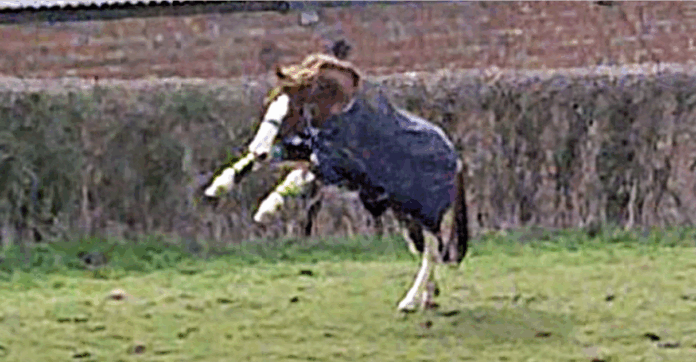
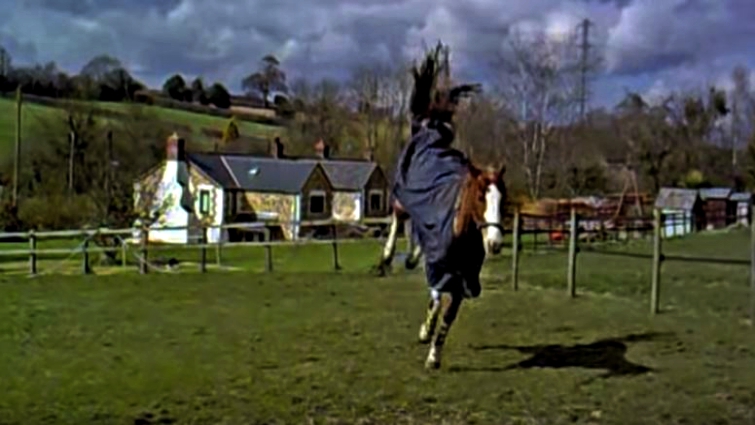
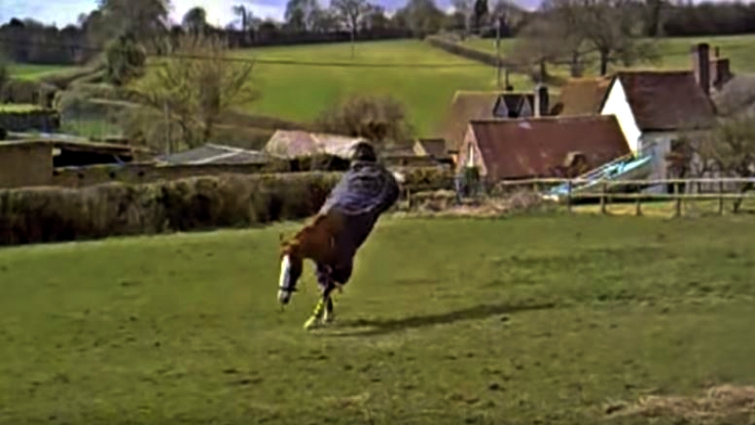
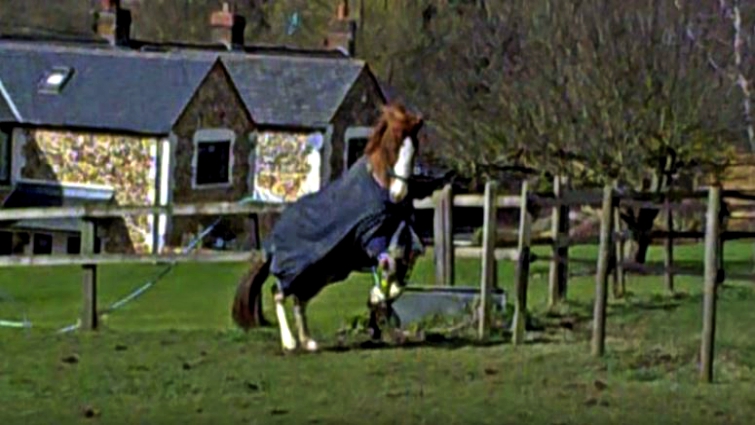
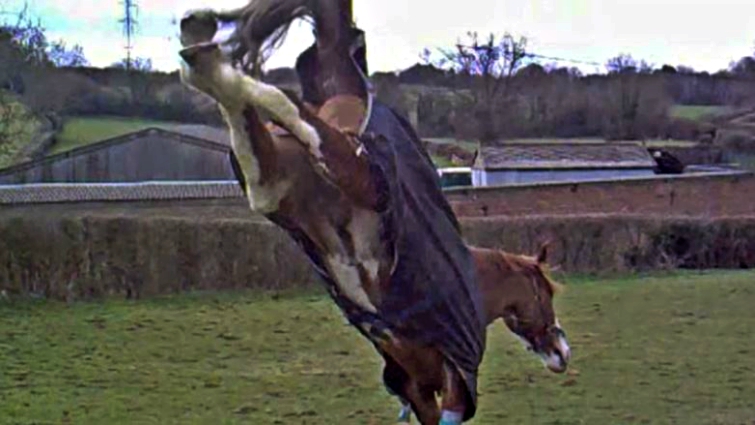
The moment Charlie received clearance to return to the pasture was a turning point. His pure, unfiltered joy is absolutely contagious—you can see it radiating from every fiber of his being. The pure exhilaration in his movements tells the story of an animal who’s been reunited with his freedom.
Watch Charlie’s Epic Return
Check out the video below to witness Charlie’s incredible moment of liberation. It’s a beautiful reminder of why we do what we do as horse people—to see our equine partners happy, healthy, and free.
The Physical and Mental Health Connection
While stall rest is sometimes medically necessary, it takes a toll on both body and mind. Prolonged confinement can lead to muscle atrophy, stereotypic behaviors (like weaving or cribbing), anxiety, and depression. This is why rehabilitation protocols always include gradual return to exercise and pasture time as soon as it’s safely possible.
Charlie’s recovery story shows us why turnout matters. The mental lift that comes from returning to pasture accelerates overall healing and well-being. When horses can express their natural behaviors—running, rolling, grazing—they’re not just happier; they’re healthier.
A Celebration of Recovery
We hope Charlie’s injury was a one-time event and that he enjoys many more years of carefree pasture time ahead. His story is a wonderful testament to the resilience of horses and the importance of giving our partners the freedom they need to thrive. Here’s to Charlie and all the horses out there celebrating their return to the pasture!
Have a similar story about your horse’s return to pasture after injury or stall rest? We’d love to hear about it in the comments below!