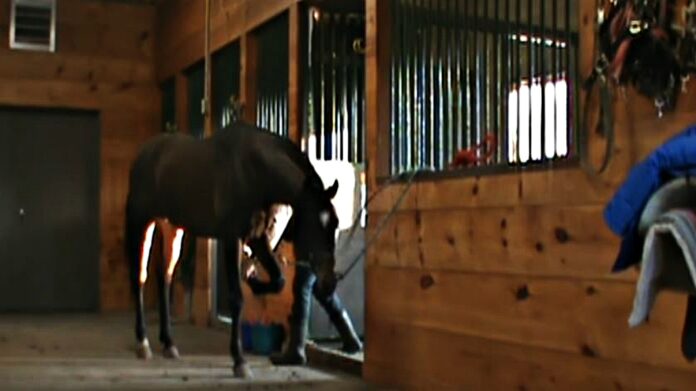

Let’s bust a myth that’s been circulating in the equestrian world for far too long: stallions don’t spend their days managing a harem of mares, and they certainly don’t battle each other to the death in wild competitions for breeding rights. The reality of stallion behavior is far more nuanced—and surprisingly, much of what we label as ‘dangerous’ behavior comes down to how we manage these powerful athletes.
So what really frustrates stallions? The answer might surprise you: isolation from mares in estrous. When stallions are kept away from receptive mares, that sexual frustration can build up and get redirected in unhealthy ways—toward other horses, toward people, or even toward themselves. It’s a behavioral issue that’s almost entirely preventable with better management practices.
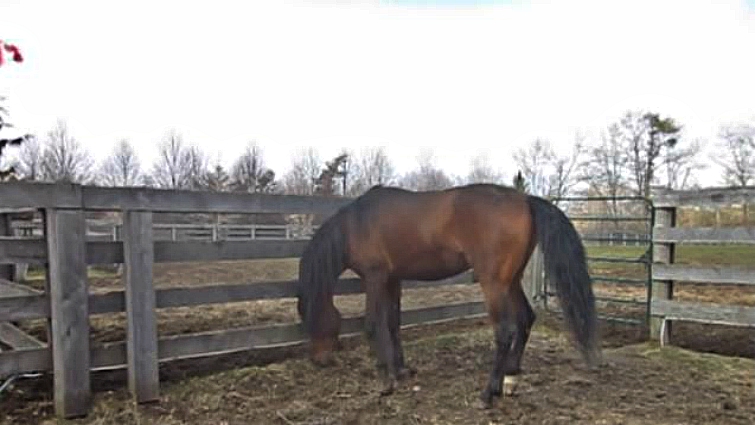
The Misconception About Stallion Aggression
Stallions have earned a reputation for being ‘dangerous’ animals, and while their reproductive hormones are certainly powerful, most aggressive stallion behavior is a direct result of poor management decisions. Think about it: many stallions are housed alone in dark barn corners with minimal—or zero—turnout. They’re isolated, understimulated, and prevented from engaging in natural behaviors. Is it any wonder they become frustrated?
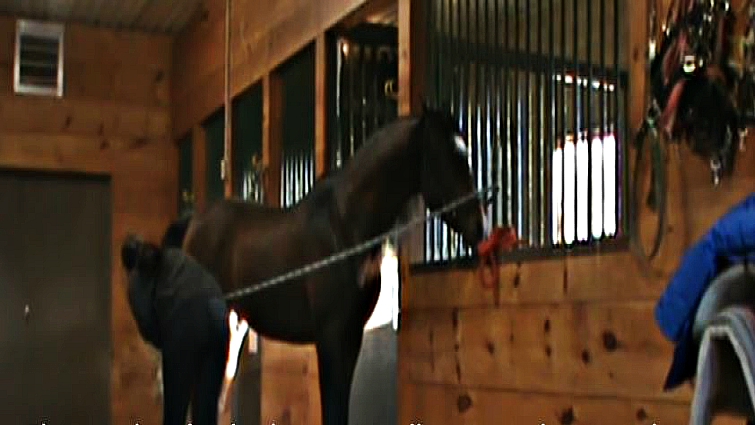
How Stallion Management Shapes Behavior
The good news? Stallion frustration and aggression are largely preventable through thoughtful management. Stallions need:
- Regular turnout and exercise to burn energy and maintain mental health
- Social interaction with other horses (geldings, young colts, or mares when appropriate)
- Environmental enrichment to keep their minds engaged
- Natural light exposure rather than isolation in dark stalls
- Opportunities for natural behaviors as much as safely possible
When stallions have access to these basic needs, behavioral problems decrease dramatically. It’s not rocket science—it’s simply treating these magnificent animals with the respect and care they deserve.
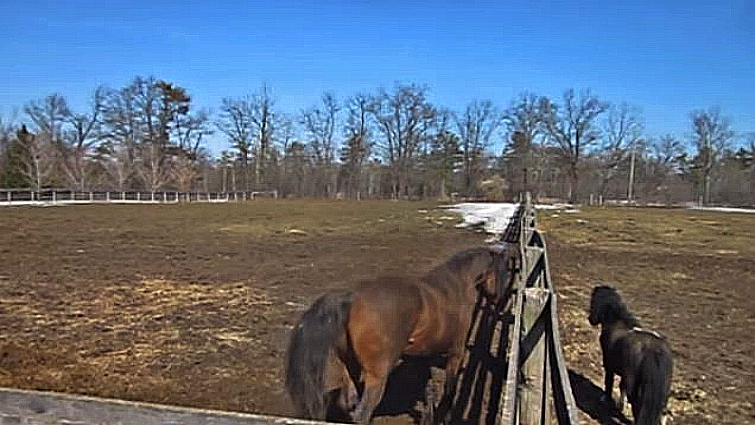
A Call for Change in Stallion Management
Both government regulations and individual stallion owners need to wake up to this reality. The aggressive stallion problem isn’t inherent to the breed or sex—it’s a management problem. If you’ve never experienced aggression from a properly managed stallion, that’s because good management works.
It’s time to shift our collective perspective. Instead of accepting ‘dangerous stallion’ as a given, we should be implementing evidence-based management practices that allow these incredible horses to thrive. Your stallions—and your safety—will thank you for it.