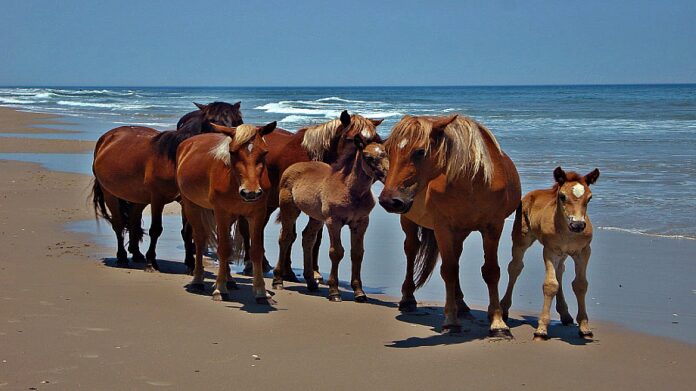

There’s something truly magical about wild horses roaming free. No amount of careful stable management can replicate the untamed spirit and natural joy that comes with unrestricted wilderness living. Today, we’re diving into the remarkable story of one of America’s most unique horse populations: the Banker horses of North Carolina’s Outer Banks.
Meet the Banker Horses: Living History on Sand and Sea
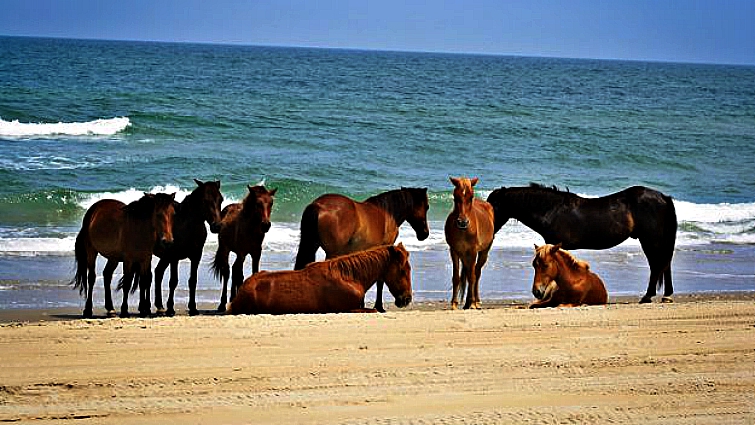
Hidden along the pristine coastal landscape of South Carolina and North Carolina, these extraordinary wild horses call several islands home—Ocracoke Island, Shackleford Banks, Currituck Banks, and the Rachel Carson Estuarine Sanctuary. Known locally as Banker horses, they’re also recognized as Spanish Mustangs, descendants of horses brought to America by Spanish explorers during the 16th century. It’s a living connection to our nation’s colonial past, right here on the beach.
The Challenge of Modern Development
In recent years, the Outer Banks have transformed dramatically. What was once a quiet haven for wild mustangs has exploded into a bustling tourist destination. This rapid development brought both opportunity and danger—particularly in the form of vehicular traffic that posed serious threats to these cherished animals.
The numbers tell a sobering story. Between 1985 and 1996 alone, twenty Banker horses were tragically killed by vehicles traveling between Duck and Corolla. The overall population has plummeted from thousands to just a few hundred—a stark reminder of how human progress can impact wildlife.
Conservation in Action: The Corolla Wild Horse Fund
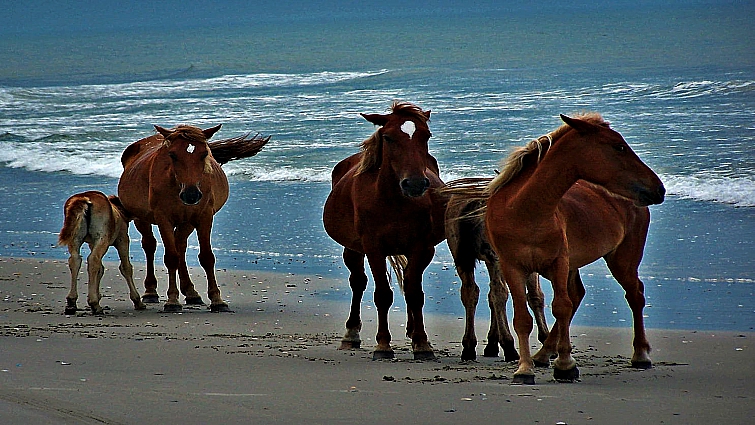
Recognizing the urgent need to protect these irreplaceable herds, the Corolla Wild Horse Fund stepped in to make a difference. Their innovative approach has helped turn the tide for these magnificent animals.
Today, the largest surviving herd of approximately 140 Banker horses resides across roughly 7,500 acres of narrow coastal land—the stretch between Highway 12 in Corolla and the Virginia border. Here’s the clever part: this critical habitat is only accessible by four-wheel-drive vehicle, a restriction that has successfully reduced visitor traffic and given these wild herds the breathing room they desperately need.
Living Their Best Lives
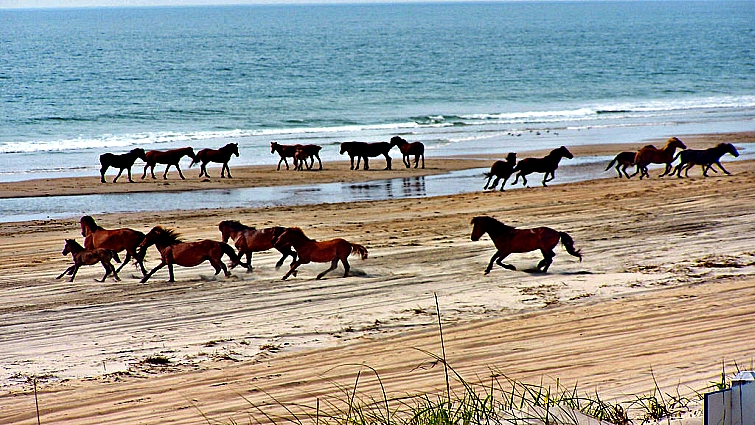
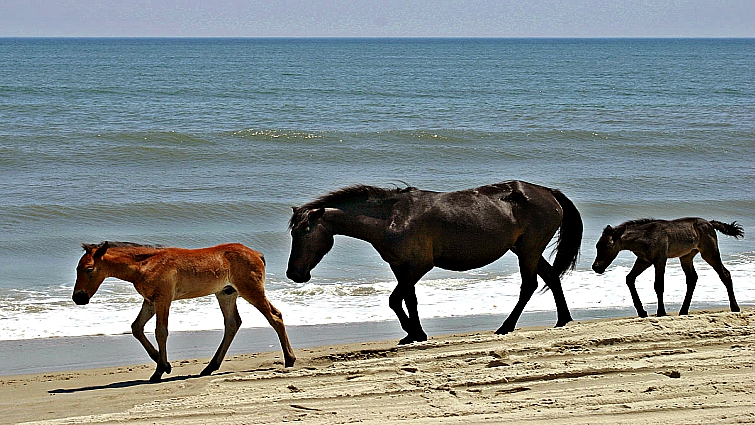
You’ll typically spot these beautiful creatures in small family groups of five or six. Watching them thrive in their natural habitat—galloping along the beach, grazing on native grasses, and living according to their own wild nature—is a privilege reserved for those willing to make the journey.
Why It Matters
The story of the Banker horses is more than just about preserving a breed. It’s about honoring our equestrian heritage, protecting endangered wildlife, and proving that humans can find ways to coexist with nature rather than destroy it. Every protected horse represents a victory for conservation, a living bridge to the past, and a symbol of what’s possible when communities come together for a worthy cause.
If you ever find yourself exploring North Carolina’s Outer Banks, consider supporting the Corolla Wild Horse Fund or taking a guided tour to witness these majestic animals in their element. Trust us—it’s an experience that will stay with you forever.