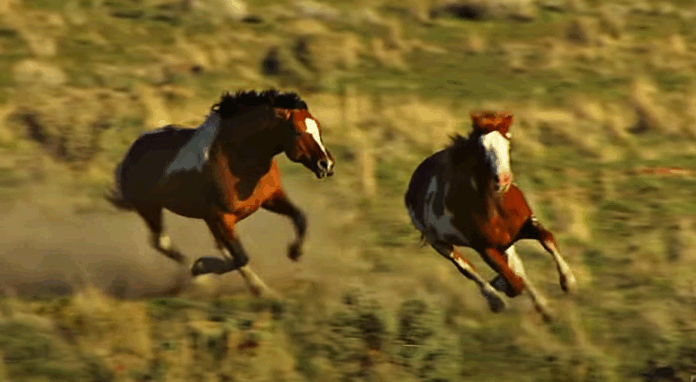

Wild mustangs are remarkable creatures, celebrated for their incredible strength and powerful survival instincts. These iconic American horses thrive in some of the harshest environments imaginable, roaming freely across thousands of acres of government-managed pastureland. Whether naturally stubborn or surprisingly trainable, every mustang shares an extraordinary ability: they can read your emotions through your body language and disposition, making them truly unique among hoofed mammals.
The Surprising Social Lives of Wild Mustangs
While most herd animals seek safety in large groups, wild mustangs follow a completely different social model. These intelligent equines live year-round in intimate family units of just 3 to 10 members. Rather than pure survival-based herds, mustang groups center around closely related mares and their offspring, creating a family-first structure that’s more nuanced than simple group dynamics.
Groundbreaking research has revealed something fascinating: individual relationships within mustang herds often matter more than the group itself. These bonds may be rooted in family ties, but just as often they’re based on personal preference and compatibility. And just like human friendships, these connections constantly evolve—loyalties shift, young horses mature and leave to start their own lives, and romantic partnerships form and dissolve.
The Drama of Mustang Herd Life
The social dynamics of wild horse herds can be surprisingly dramatic. Long-term studies read like an endless soap opera, complete with power struggles, leadership battles, heartfelt loyalties, and shocking betrayals. Herd life is rarely peaceful, with constant negotiations over hierarchy and belonging.
One of the most compelling aspects of mustang behavior is the expulsion of young horses when they reach maturity. Watch this incredible video capturing the exact moment a wild mustang herd drives away a 3-year-old colt—a natural but intense scene that reveals the raw dynamics of equine family life:
This fascinating behavior is a natural part of mustang evolution, ensuring genetic diversity and preventing inbreeding within family groups. Understanding these complex social structures deepens our appreciation for wild horses and their remarkable intelligence in the American wilderness.