

If you’ve been around horses long enough, you’ve probably noticed how dramatically equestrian care has transformed over the decades. While modern advancements have brought incredible benefits to the sport, there’s something to be said for the straightforward approach of yesteryear. Let’s take a lighthearted look at how horse care has evolved—and whether simpler really was better.
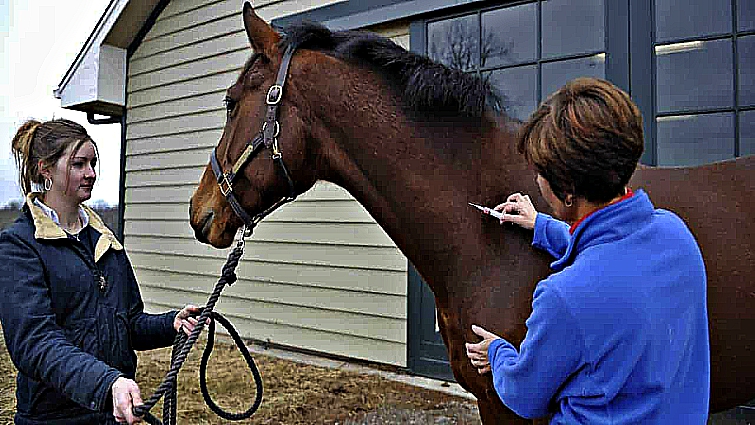
1. Nutrition and Weight Management: From Feed to Supplement Overload
Then: If your horse looked too thin, you fed it more. Problem solved.
Now: Struggling with your horse’s weight? Welcome to the supplement aisle, where you’ll find 420+ options at your local feed merchant. Pick a set of six supplements, wait for miraculous results, then switch brands when nothing changes overnight. Rinse and repeat. It’s enough to make any horse owner’s head spin!
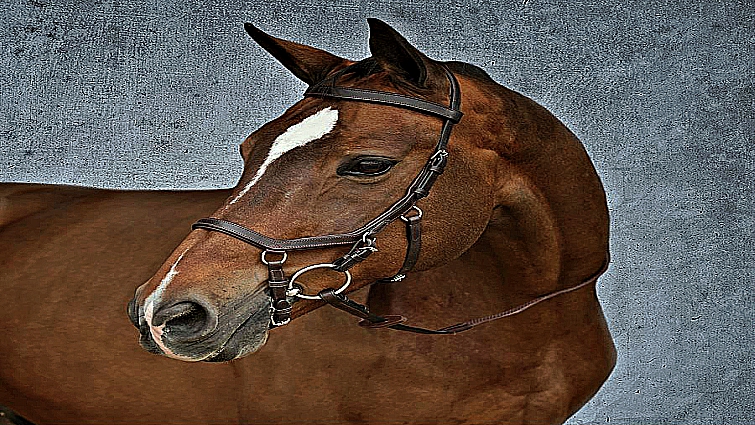
2. Health Issues: When Did Everything Need a Supplement Fix?
Then: Horse looking a bit off? Call the veterinarian and trust their professional diagnosis.
Now: Horse seems under the weather? Skip the vet visit (for now, at least) and dive into those 420 supplement options again. Surely the answer lies in switching from your current six-supplement routine to a different combination. When that doesn’t work, try another brand. The cycle continues, and your supplement cabinet grows ever fuller.
While supplements certainly have their place in equestrian care, there’s a certain elegance to the simplicity of a professional consultation.
3. Tack Shopping: A Simple Decision Becomes a Research Rabbit Hole
Then: Need a new bridle? Pop down to your local saddler, choose between black and Havana brown (tough decision, right?), make your purchase, and be on your way. Total time investment: ten minutes.
Now: Bridle shopping is basically a full-time job. You’ll spend three hours researching:
- Different noseband styles and their specific purposes
- Comfort headpiece designs
- Buckles versus stud billets
- Cutting-edge pressure-relieving innovations from Belgium
- Whether John Whitaker’s bridle choice might magically improve your showjumping
- Forty different leather colors and finishes
By the end, you’re not just buying a bridle—you’re making a lifestyle statement.
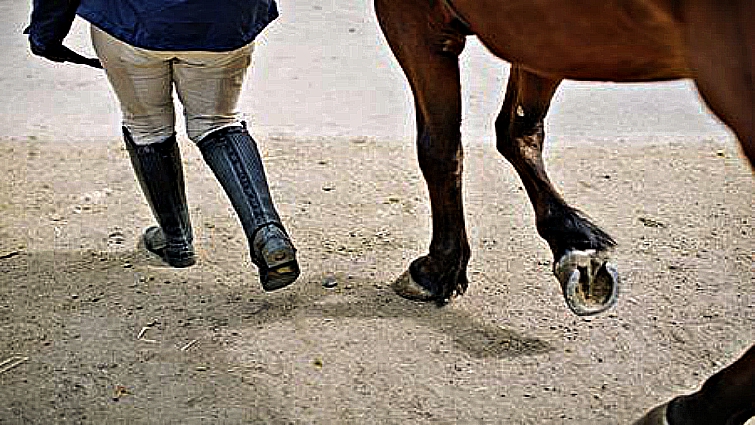
4. Farrier Visits: Shoes or Barefoot? The Modern Dilemma
Then: Horse needs shoeing? Get the farrier out and have them shod. Done.
Now: Before your farrier even arrives, you’re already deep in existential questions. Is this the right time to try going barefoot? You’ll spend hours scrolling through internet forums, having anxious conversations with your farrier, then returning to those forums for reassurance.
If you do decide to go barefoot, buckle up: you’re looking at six months of conditioning your horse’s feet on various surfaces, plus investments in hoof boots, specialized supplements, and expensive hoof hardening treatments. It’s a commitment—but are healthier hooves worth the time and expense? That depends on your horse and your goals.

5. Rider Improvement: From Lessons to YouTube University
Then: Want to improve your riding? Book some lessons with a qualified instructor and trust their expertise.
Now: Got a riding challenge? Type “leg-yielding problems” into YouTube and prepare yourself for approximately 30,000 results. Suddenly, you’re a self-diagnostic expert, convinced your lower leg is simultaneously too far back, too far forward, and somehow out to the side all at once.
Don’t get us wrong—online resources are incredible for learning. But nothing quite replaces the personalized feedback of a knowledgeable instructor who can see your position in real time.
The Verdict: Then vs. Now
There’s undeniable value in how equestrian care has evolved. We have access to better nutritional science, advanced equipment design, and a wealth of information at our fingertips. Modern innovations have genuinely improved horse welfare and performance.
But there’s also something to be said for the simplicity of previous generations. Sometimes, the best solution to a problem isn’t a new supplement—it’s common sense, professional advice, and trusting your instincts as a horse owner.
The real magic? Finding the sweet spot between old-school wisdom and modern advancement. Your horse will thank you for it.
What do you think? Have you experienced both the traditional and modern approaches to horse care? Which do you prefer? Share your thoughts in the comments below!