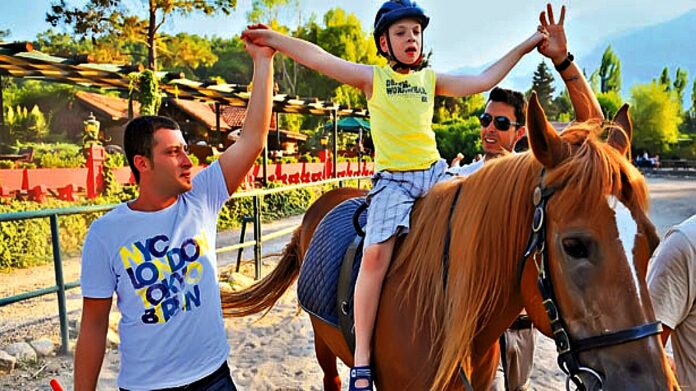

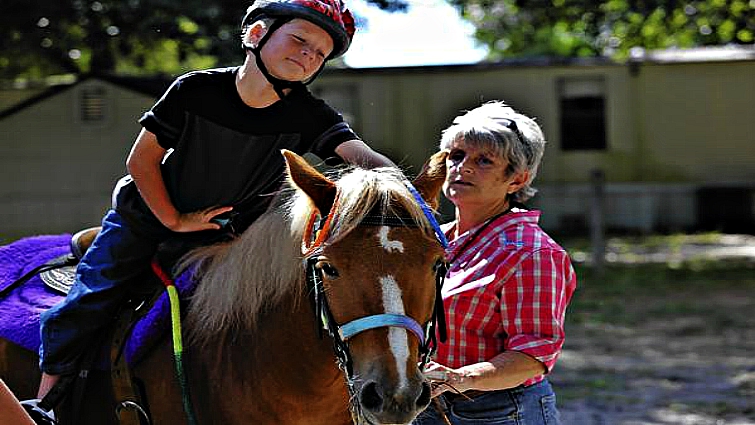
For millennia, the profound connection between humans and horses has created powerful emotional and healing bonds. Today, horses continue to serve as remarkable therapeutic partners for children with autism, working alongside physical, speech, and occupational therapists in a practice known as “hippotherapy.” If you’re a parent exploring support options for your autistic child, equine therapy offers genuine benefits rooted in motor development, emotional growth, and sensory stimulation.
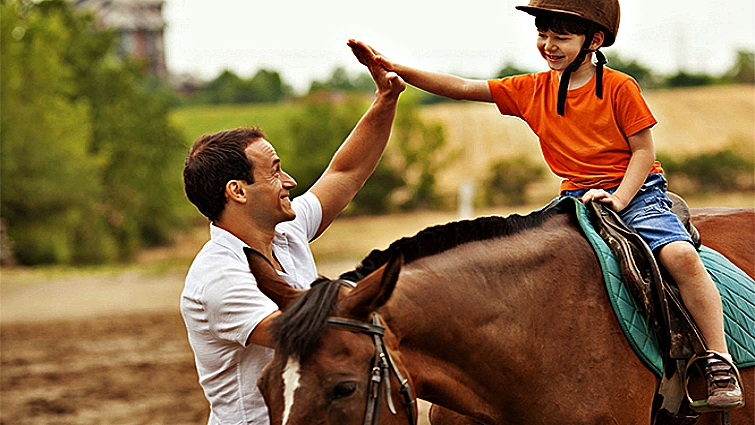
Building Emotional Connections Through Horse Care
Many autistic children struggle with traditional emotional bonding and verbal communication. They may find eye contact uncomfortable, have difficulty expressing their feelings, or struggle to connect with others in conventional ways. This is where horses become incredible bridges.
Rather than relying on spoken words, autistic children communicate with horses through physical interaction—brushing their manes, offering gentle hugs, and softly patting their necks. Through the responsibility of caring for their equine partner, children begin to associate their actions with feelings and emotions. They learn that gentle care creates positive responses, building an emotional foundation that naturally extends to human relationships. Parents often notice improved social skills and better communication attempts with family and peers following regular equine therapy sessions.
Developing Cognitive and Language Skills in an Exciting Way
Autistic children often find it challenging to understand and follow verbal instructions. Equine therapy transforms learning by embedding directions and communication opportunities into an activity your child genuinely enjoys—riding a horse.
Because children are naturally motivated to move and excited about the experience, they’re more receptive to instructions and better able to retain them. They also practice giving directions to their horse, creating natural opportunities to communicate and express themselves. Skilled equine therapists incorporate engaging cognitive activities during rides, such as:
- Throwing colored balls into baskets while mounted
- Touching body parts during songs
- Identifying shapes and scenes in their environment
These activities make cognitive skill-building feel like play rather than therapy, leading to genuine progress in language development and comprehension.
Awakening Sensory Systems Through Movement
The unique sensations of riding a horse stimulate the vestibular system—the sensory organs in the inner ear responsible for balance and spatial awareness. As your child moves with the horse through directional changes, varied terrain, and different speeds, these sensory receptors spring to life in ways that are both therapeutic and genuinely fun.
This sensory stimulation keeps children engaged and motivated, encouraging them to return for more sessions. The benefits extend far beyond the therapy arena, improving overall coordination, balance, and body awareness in daily life.
Making Equine Therapy Accessible and Affordable
The challenge facing many families is cost. Equine therapy is among the most expensive therapeutic options available, with annual enrollment costs often exceeding $5,000. For parents already managing considerable expenses related to their child’s care, this price tag can feel impossibly out of reach.
However, hope exists. Organizations dedicated to supporting children with autism, such as the Autism Society and similar foundations, offer grants, scholarships, and funding programs specifically for equine therapy. Before assuming the cost is prohibitive, reach out to local therapy organizations, autism support groups, and equine centers in your area. Many programs have financial assistance available for families who need it.
The Path Forward
Equine therapy represents more than just another treatment option—it’s a pathway to genuine skill development and emotional growth for autistic children. By harnessing the natural healing power of horses, children develop the core social, communication, cognitive, and sensory skills they need to thrive in their daily lives.
If you believe your child could benefit from this unique therapy, start by researching equine therapy programs in your community and exploring funding options. Your child’s connection with a horse might be the transformative experience your family has been searching for.