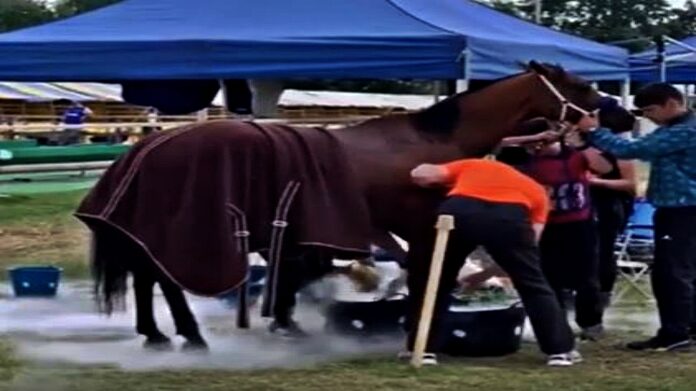

A viral video from an endurance competition in France sparked significant debate about horse cooling methods—and prompted important guidance from the FEI about a practice that could endanger our equine athletes.
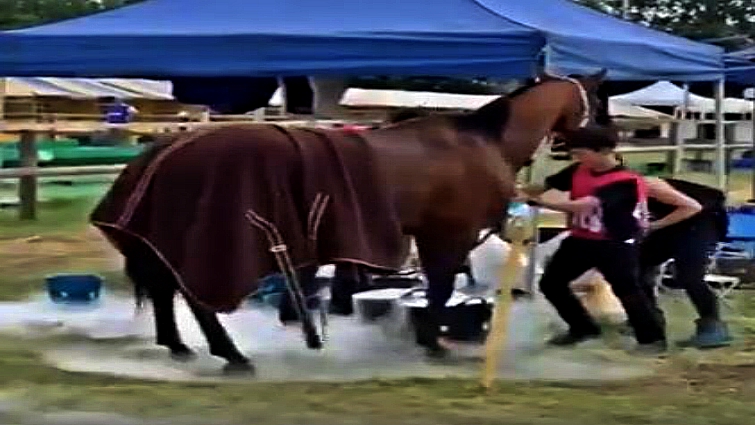
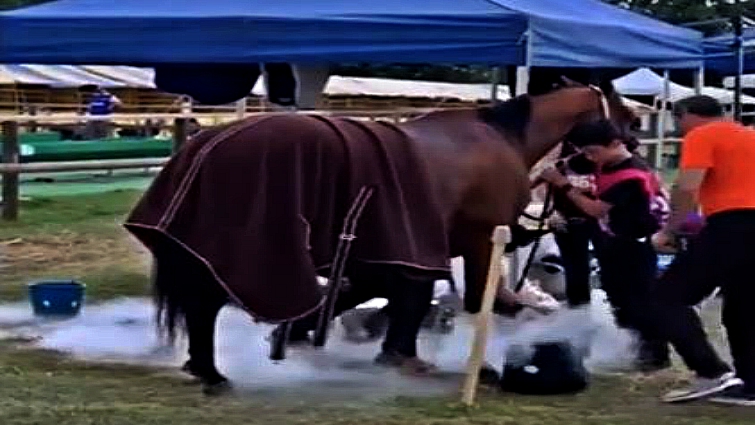
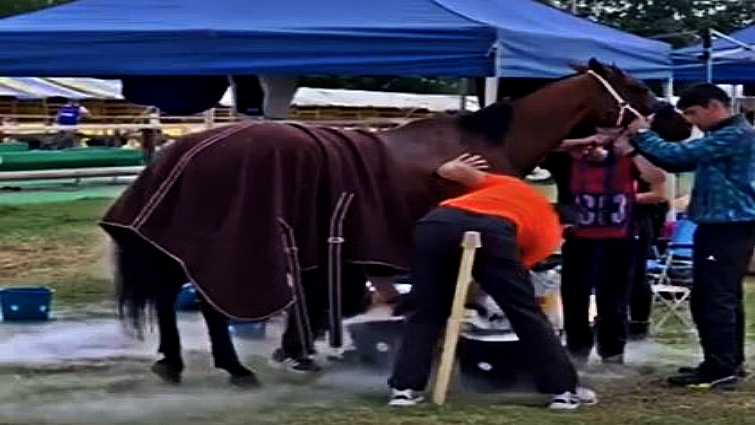
The incident involved Spanish endurance rider Arkaitz Arakistain Aristi and his horse Ambar at the prestigious Castelsagrat 120km FEI ride. Video footage showed the horse standing in buckets of water mixed with dry ice, surrounded by dramatic clouds of vapor. The image raised immediate concerns among horse lovers worldwide.
Investigation Clears the Rider—But Raises Bigger Questions
After investigation, the FEI determined that because the water temperature never dropped below 0°C, no existing FEI rules were technically violated. The disciplinary case was ultimately not pursued. However, this outcome didn’t end the conversation—it actually opened a more important one about best practices for horse welfare.
Why the FEI Is Taking a Strong Stance
The FEI veterinary department has issued clear guidance: dry ice should not be used as a cooling agent for horses. While the water-mixed scenario in this case didn’t break rules, the organization emphasized the serious risks involved.
“The use of dry ice without water is dangerous,” according to FEI officials. Direct contact between dry ice and a horse’s skin or tissues can cause freeze burns—a major welfare concern and a clear breach of FEI veterinary regulations.
What the FEI Veterinary Department Recommends
An FEI spokesman explained the organization’s position: “The FEI veterinary department stresses that there is no benefit to using dry ice in combination with water; however, it is very clear that the use of dry ice without water is dangerous and, in the event of direct contact with skin and other tissues, could cause freeze burns, which would be a major horse welfare issue and would be a clear breach of the FEI veterinary regulations.”
The bottom line? “Due to the associated risks of using dry ice, the FEI veterinary department strongly recommends that it should not be used as a cooling agent.”
Better Cooling Alternatives for Endurance Horses
Endurance riders know cooling their horses is essential—especially during hot-weather competitions. The good news? There are safer, proven methods that don’t carry the risks of dry ice:
- Cold water immersion in buckets or sponging
- Ice packs applied to major blood vessels
- Shade and ventilation in rest areas
- Electrolyte solutions to support hydration
- Fans to encourage evaporative cooling
The Takeaway for Riders
This incident serves as an important reminder that when it comes to horse welfare, “innovative” doesn’t always mean “better.” The FEI’s strong recommendation against dry ice reflects a commitment to protecting horses from unnecessary risk.
As riders, our primary responsibility is ensuring our horses’ safety and wellbeing—both during competition and recovery. By sticking with evidence-based cooling methods and following FEI guidance, we honor that commitment and keep our equine partners healthy for years of sport.
Have questions about proper cooling techniques for your horse? Consult with your veterinarian or experienced endurance trainer to develop a safe cooling protocol that works for your specific situation.