
Understanding Western Pleasure: A Sport Under Scrutiny
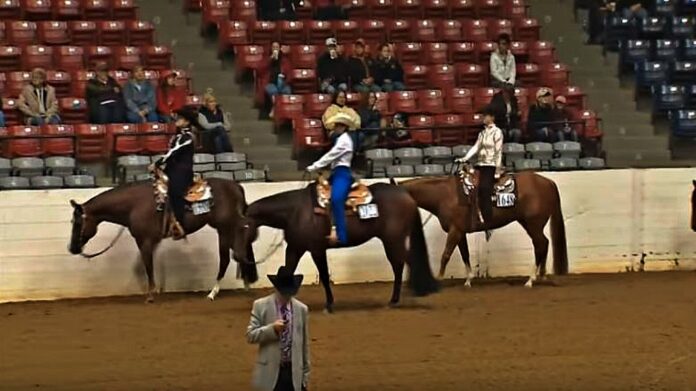
Western Pleasure is one of the most visually striking yet polarizing disciplines in horse sport. Judges evaluate competitors based on the horse’s calm demeanor, smooth gaits, and collected movement at moderately slow speeds. In theory, it celebrates the ideal of a comfortable, responsive partner—a horse that moves with natural elegance and gentle control.
But for years, Western Pleasure has faced legitimate questions about training methods and horse welfare. The sport’s standards have come under increasing examination as viewers and experts scrutinize just how these impressive performances are achieved.
The AQHC Performance That Went Viral
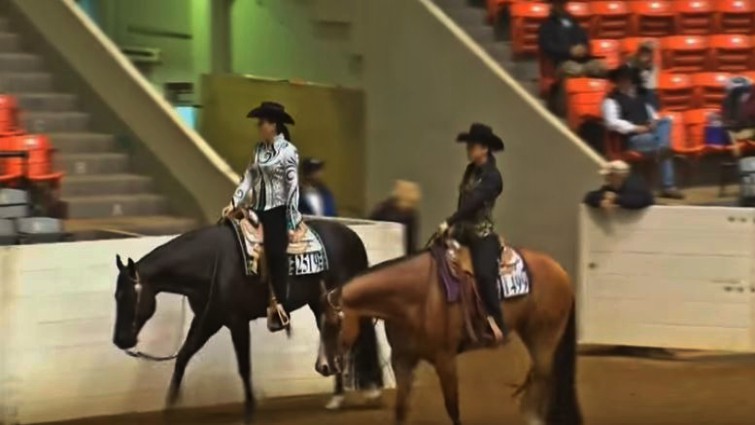
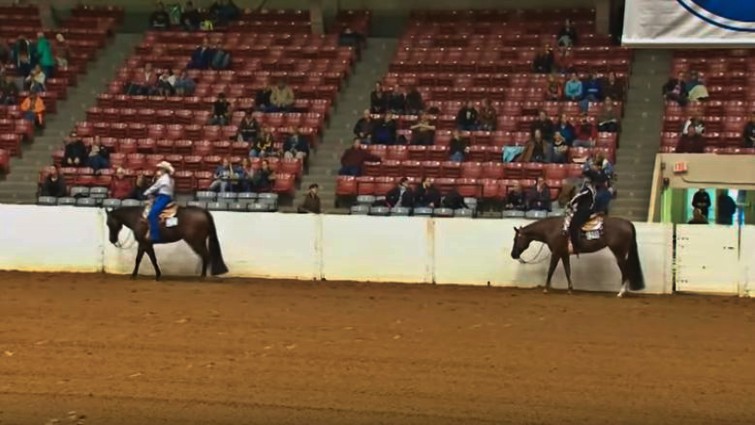
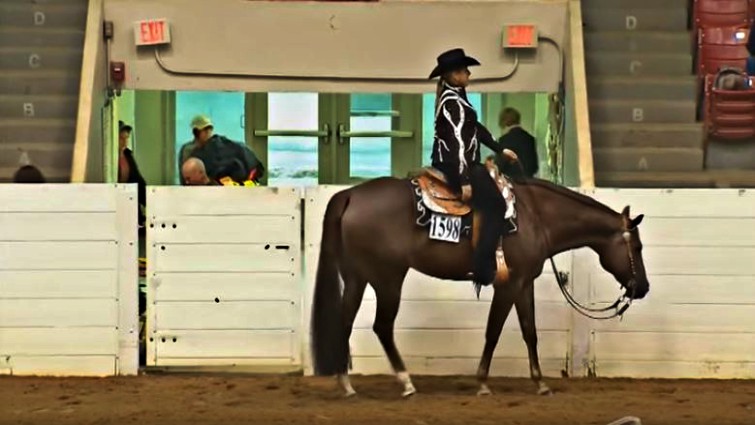
One performance that perfectly captures this controversy is Rider Abigail Eaves’ routine on her horse, The Only Kiss To Envy, at the 2011 All American Quarter Horse Congress. This memorable presentation has resurfaced online in recent months, and it’s reigniting an important conversation about the direction of Western Pleasure.
Why Viewers Are Speaking Out
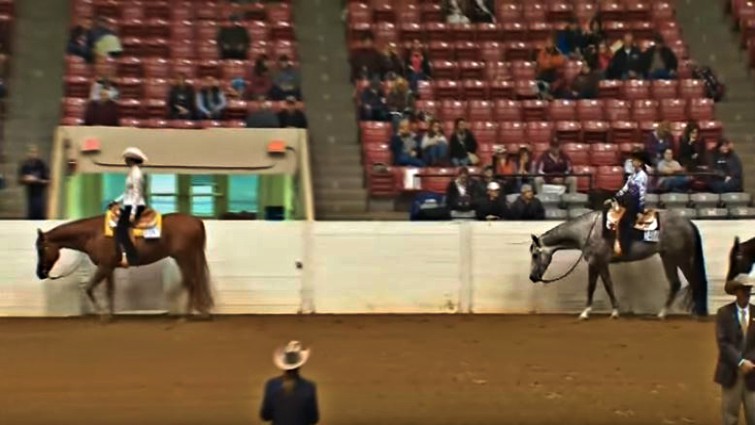
The reaction from the equestrian community has been swift and passionate. Many experienced horsemen and women worry that Western Pleasure has strayed from its original purpose: showcasing a comfortable, naturally athletic horse. Instead, they argue, the sport now rewards exaggerated, artificial movement that can be uncomfortable—even harmful—to the animals competing.
Common criticisms include:
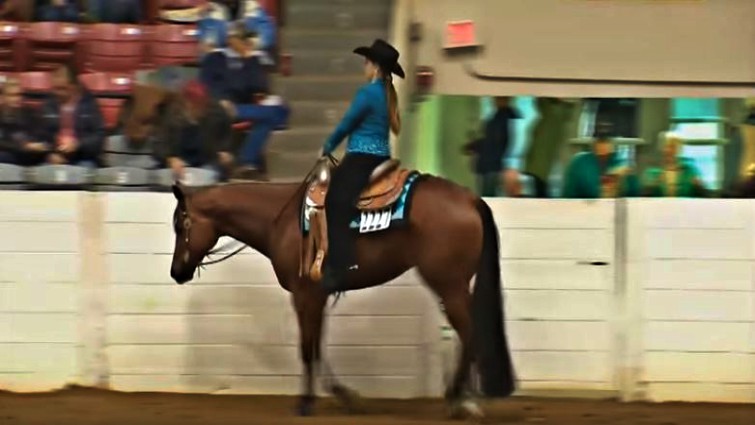
- Unnatural head carriage: The AQHA rulebook states that a horse’s poll should be level with the withers, yet many competitors seem to ignore this guideline.
- Excessive collection: Horses are sometimes trained to move in ways that restrict natural movement and mobility.
- Training methods: Critics question the techniques used to achieve these gaits and whether they prioritize horse welfare.
The Call for Change
Online commenters and industry observers are increasingly vocal about wanting reform. Many believe judges need to enforce existing AQHA standards more rigorously and that trainers should refocus their efforts on developing horses that are truly pleasant to ride—not just impressive to look at.
“It’s a waste of excellent horses,” critics argue, noting that these are talented animals whose abilities could be better showcased through disciplines that celebrate their natural movement and athleticism.
Moving Forward
The Western Pleasure debate reflects a broader conversation happening across all horse sports: How do we balance competitive excellence with equine welfare? The good news is that awareness is growing. More judges, trainers, and competitors are asking tough questions about whether current standards truly serve the horses—and the sport itself.
Change may be slow, but the renewed focus on this important issue suggests that the equestrian community is ready to have an honest discussion about the future of Western Pleasure.
What Do You Think?
Watch the performance above and join the conversation. Do you believe Western Pleasure needs reform? What changes would you like to see in the sport? Share your thoughts in the comments below—this is a discussion every horse lover should be part of.