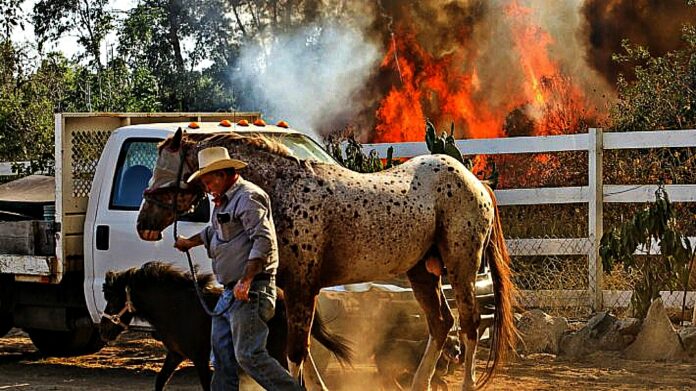

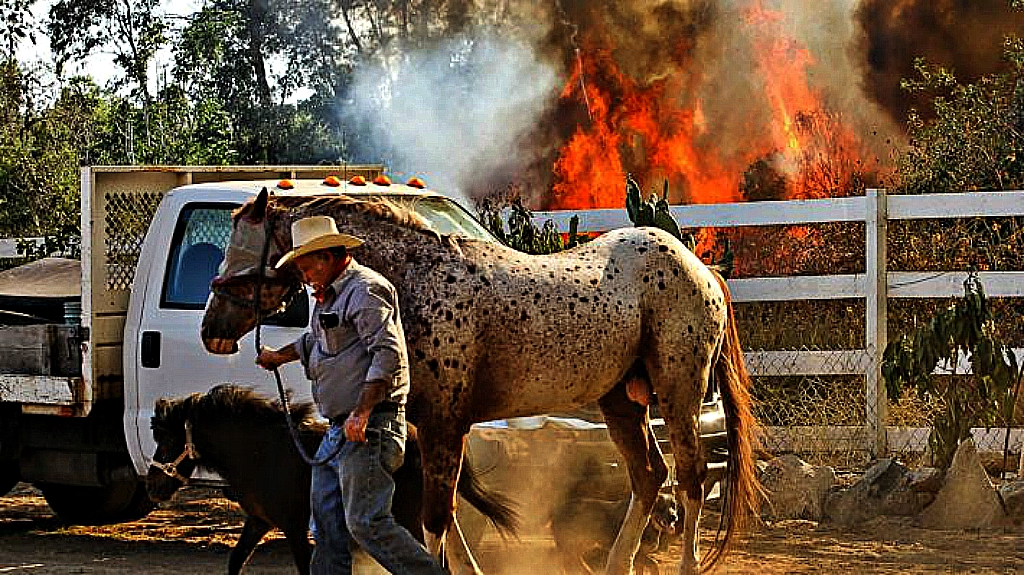
Wildfire season brings more than just beautiful sunsets and smoky skies—it poses a serious threat to our beloved horses. Smoke is a dangerous cocktail of gases including carbon dioxide, carbon monoxide, soot, and hydrocarbons that can wreak havoc on respiratory systems. While we often hear about the dangers to human health and the environment, many horse owners don’t realize just how vulnerable their equine partners are to these harmful particulates.
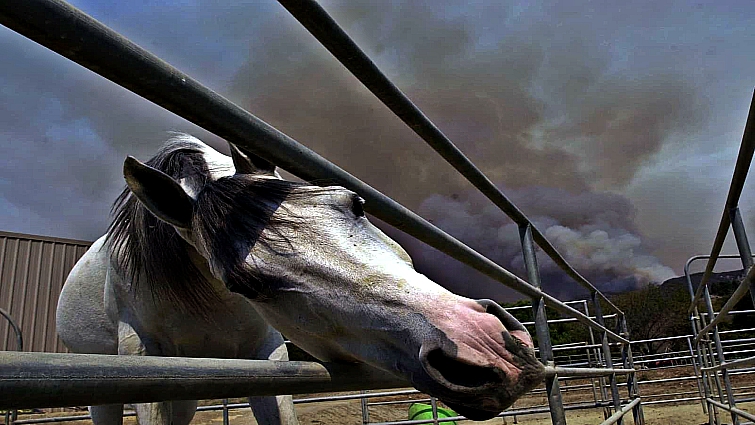
How Wildfire Smoke Affects Horses
Horses have incredibly sensitive respiratory systems, and smoke can cause significant irritation to their eyes and airways. When exposed to heavy smoke, horses may experience difficulty breathing, eye irritation, and respiratory distress. According to UC Davis veterinary professor John Madigan, “Owners should limit their horses’ activity when smoke is visible. It’s also important to provide horses with plenty of fresh water, which keeps airways moist and helps them clear inhaled particulates.”
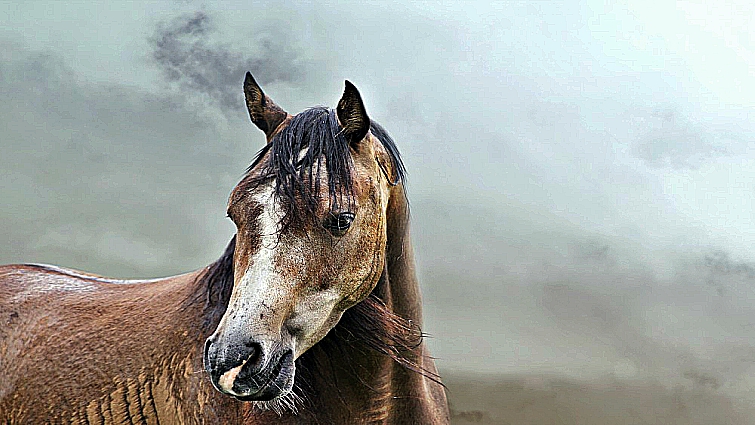
Real-World Example: The Tevis Cup Decision
Sometimes the most responsible action is to pause and prioritize health over competition. During California’s devastating wildfires, the organizers of the Tevis Cup—a grueling 100-mile endurance race—made the difficult but wise decision to postpone the event due to hazardous air quality. This decision recognized that even elite, conditioned horses shouldn’t be pushed to exercise in dangerous conditions. It’s a powerful reminder that our horses’ wellbeing must come before sporting schedules.
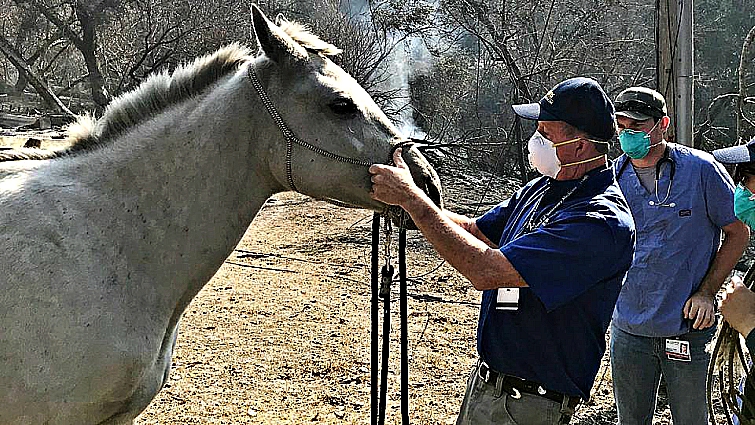
Practical Tips to Protect Your Horse from Smoke
The bottom line? Use the same air-quality guidelines you check for your family to make decisions about your horse activities. If human air-quality advisories warn against outdoor exercise, apply that same wisdom to your horses. Here’s what expert veterinarians recommend:
- Reduce Exercise: Limit or eliminate strenuous activity when visible smoke is present
- Increase Hydration: Provide abundant fresh water to keep airways moist and help clear inhaled particles
- Monitor Closely: Watch for signs of respiratory distress, including increased respiratory rate or persistent coughing
- Limit Exposure: Keep horses indoors or in less smoky areas when possible
- Consult Your Vet: If you notice any concerning respiratory symptoms, contact your veterinarian immediately
The Smoke Test: How to Know If Conditions Are Safe
Here’s a simple rule of thumb: if the smoke bothers your eyes and lungs, it’s bothering your horse’s too. Horses often can’t tell us when they’re uncomfortable, so it’s our responsibility to read the environmental signs and act accordingly. That burning sensation in your throat? Your horse experiences it too—they just can’t complain about it.
Bottom Line
Wildfire season demands our attention and proactive management. By monitoring air quality, reducing exercise during smoky conditions, ensuring proper hydration, and watching for respiratory symptoms, we can significantly reduce health risks for our equine partners. Remember, there’s no trophy worth compromising your horse’s respiratory health. When in doubt, consult with your veterinarian and err on the side of caution.
Stay safe out there, and keep your horses breathing easy!