
The Unsung Heroes of Wartime Britain: Land Girls and Their Equine Partners
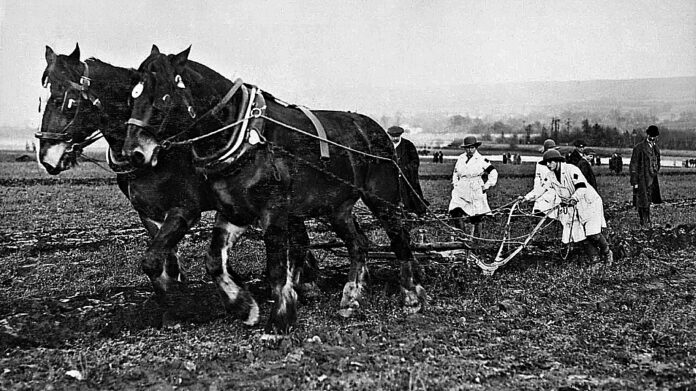
As the United Kingdom marks 80 years since the start of World War Two, it’s time to celebrate two remarkable groups of workers: Britain’s courageous Land Girls and the 500,000 horses who stood beside them in the fields. Working animal charity SPANA is calling on the public to honor these women and their four-legged colleagues, whose tireless efforts kept Britain fed throughout six long years of conflict.
How the Women’s Land Army Came to Be
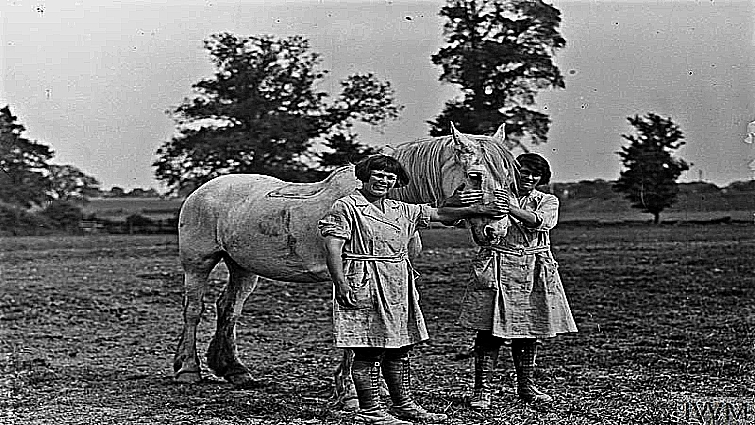
The Women’s Land Army (WLA) wasn’t a wartime invention—it was first established during World War One, but reformed in June 1939, just months before war erupted. Britain was in a precarious position: heavily reliant on imported food, with ships vulnerable to German attacks. The male farm workforce had been conscripted to fight on the front lines, leaving a massive gap in agricultural production that threatened the nation’s survival.
The solution? Recruit thousands of women to fill the void. At its peak in 1944, over 80,000 Land Girls were working in Britain’s fields—many having never left the city before.
From City Streets to Country Fields: A Remarkable Transformation
Imagine leaving your urban home and suddenly finding yourself working on a farm, surrounded by animals and farm equipment you’d never encountered. That was the reality for countless Land Girls. Historian Ruth Goodman, whose acclaimed television series Wartime Farm highlighted the WLA’s contributions, captured this dramatic shift perfectly:
"They were immediately thrown into every variety of farm work – from using horse-driven plows to milking cows and delivering products on a pony cart."
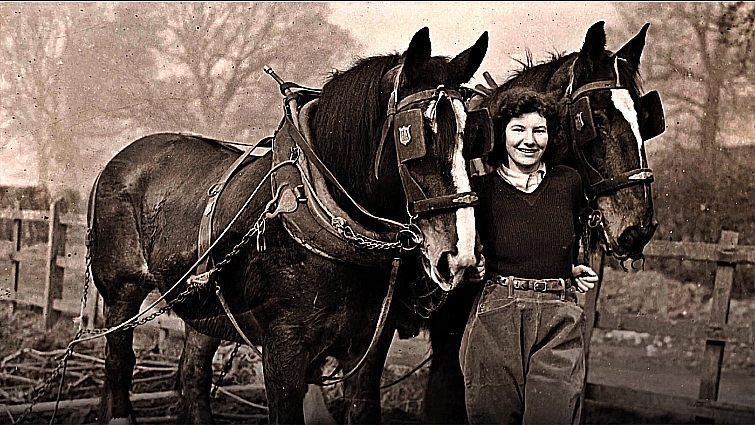
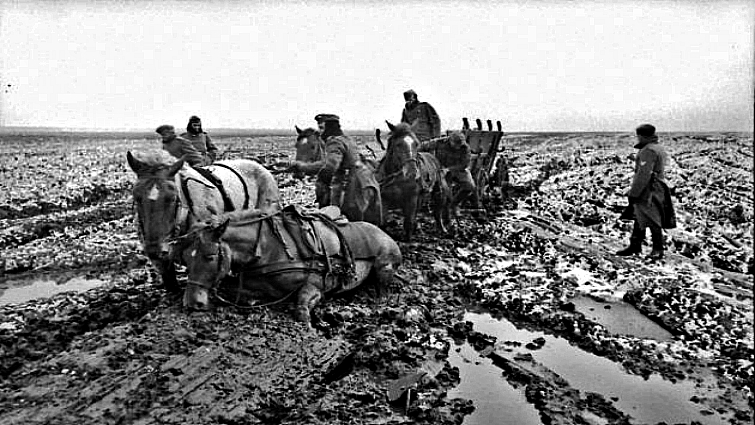
What’s particularly striking is the relationship between the Land Girls and horses. During this era, horses outnumbered tractors by 30 to one, making equine partners absolutely essential to daily farm work. These weren’t just working animals—they became trusted companions and lifelines for women adapting to a completely foreign way of life.
From 30% to 70%: The Impact of Food Production
The numbers tell the story of Britain’s agricultural transformation. When the WLA was reformed in 1939, Britain was producing less than a third of its own food—a dangerous position for a nation under siege. But the Land Girls changed everything. By 1943, thanks to their extraordinary dedication, domestic food production had climbed to 70%.
Dame Vera Lynn, the legendary “Forces’ Sweetheart,” recognized the Land Girls’ tremendous contribution, calling them "without question among the unsung heroes of World War Two." She emphasized that these women "couldn’t have succeeded without their horsepower," acknowledging the vital role horses played in their success.
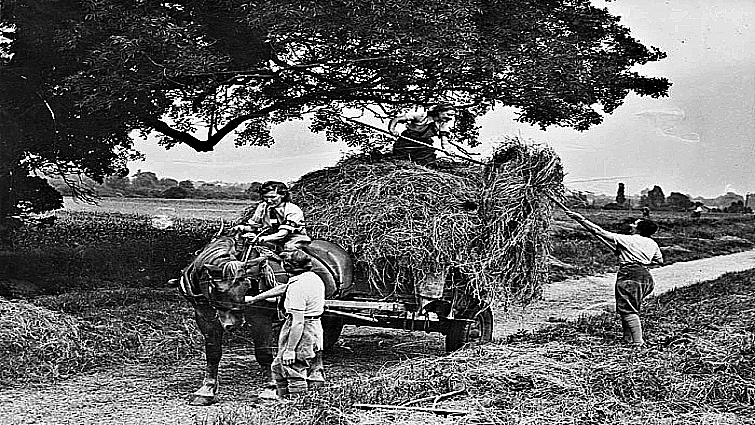
"When the WLA was reformed at the start of the war, Britain was producing less than a third of its food by 1939, but – thanks to the enormous efforts of the Land Girls – this rose to 70% by 1943," Dame Vera Lynn noted. She also recognized something deeply human about the work: "Many women formed close bonds with the animals that worked side by side with them."
A Legacy That Extended Beyond the War
The Women’s Land Army’s work didn’t end when the war did. The organization continued operating until 1950, when it was finally disbanded. Their service to the nation was so significant that in 2008, surviving Land Girls were awarded a special badge of honor at Downing Street—recognition that came nearly 60 years after their wartime service.
Remembering Partnership and Resilience
The story of Britain’s Land Girls and their equine colleagues reminds us that wartime heroism wasn’t confined to the battlefield. It thrived in fields across the country, where women worked shoulder-to-shoulder with horses to feed a nation. These partnerships—between determined women and hardworking animals—represent a fascinating chapter in both British history and equestrian heritage that deserves to be celebrated and remembered.
As we mark this significant milestone, let’s honor not just the Land Girls, but also the magnificent horses who carried the burden alongside them. Together, they proved that courage, partnership, and dedication can overcome even the greatest challenges.