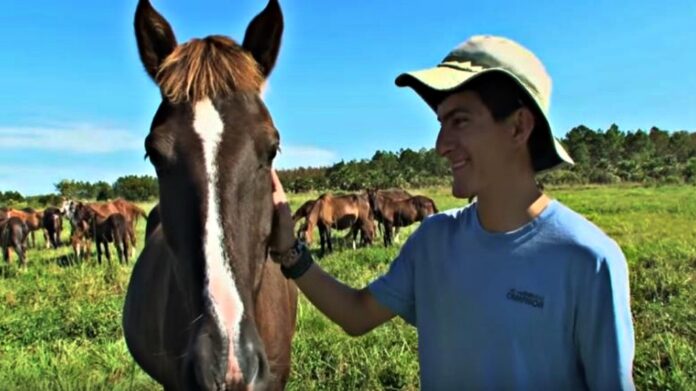

Self-doubt can be a powerful obstacle, especially for teenagers navigating the complexities of adolescence. Young people struggling with autism often face additional challenges when it comes to building confidence and connecting with peers. But there’s something magical happening in barns and pastures across the country—horses are changing lives and helping these incredible teens discover their true potential.
Equine therapy has emerged as one of the most powerful tools for boosting self-confidence in young people with autism. Beyond the traditional therapeutic approaches, these four-legged companions offer something unique: unconditional acceptance and nonverbal communication that resonates deeply with individuals on the spectrum.
The Science Behind the Connection
Dr. Temple Grandin, a renowned autism expert and advocate, has made a fascinating observation about the special bond between people with autism and animals. Both groups share a remarkable trait—they think predominantly in images and are highly visual processors. This similarity creates an almost intuitive understanding between autistic individuals and horses.
Unlike human social interactions, which can be overwhelming for teens with autism due to complex verbal and nonverbal cues, horses communicate in a straightforward, intuitive manner. Their reserved and perceptive nature makes them perfect companions for young people who struggle with traditional social interactions. Horses don’t judge; they simply respond authentically to the energy and emotions they sense.
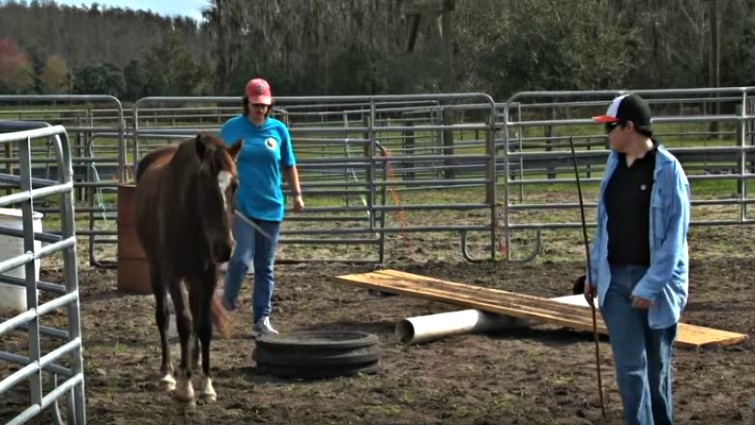
This creates an incredible advantage for autistic teens. While many people can form meaningful bonds with horses, those on the spectrum often experience an even deeper, more transformative connection. The horse becomes not just a companion, but a bridge to confidence and self-discovery.
Real Progress, Real Results
Dr. Grandin observed dramatic improvements in autistic children and teenagers who engaged in equine therapy. Their confidence soared, their anxiety decreased, and they began to see themselves in a new light—not as limited by their diagnosis, but as capable and worthy.
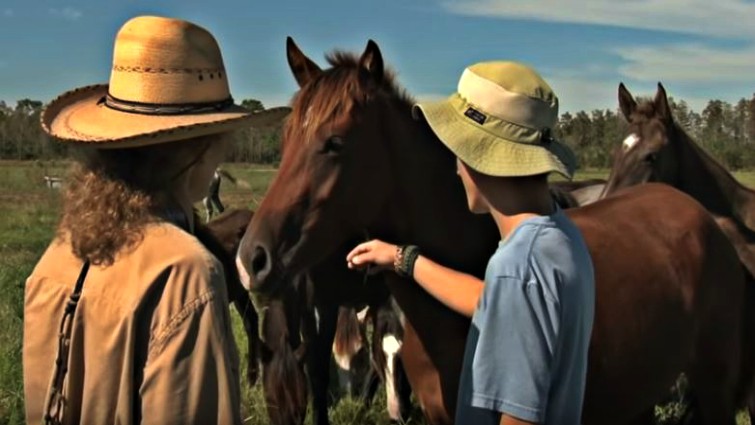
These teens learn that they can accomplish meaningful goals. Whether it’s grooming their horse, learning to ride, or simply spending quiet time in the presence of these gentle giants, each interaction builds a foundation of self-assurance. Many report feeling more comfortable in their own skin and more prepared to navigate the social world around them.
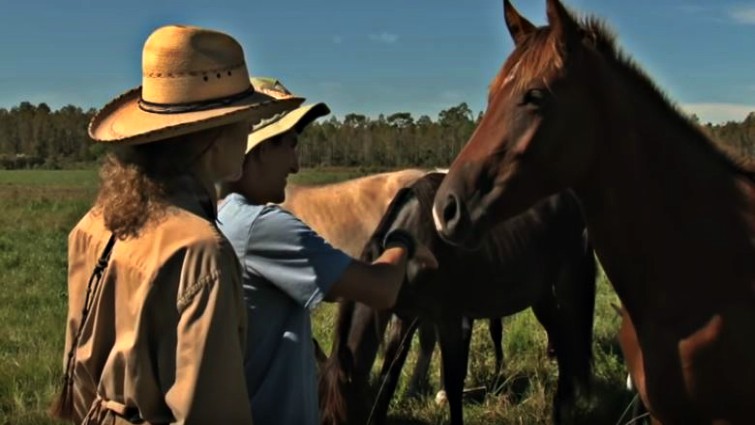
The beauty of equine therapy lies in its simplicity. There’s no pressure to perform or meet complex social expectations. Just a person, a horse, and the quiet transformation that happens between them.
Why Horses Make Perfect Therapists
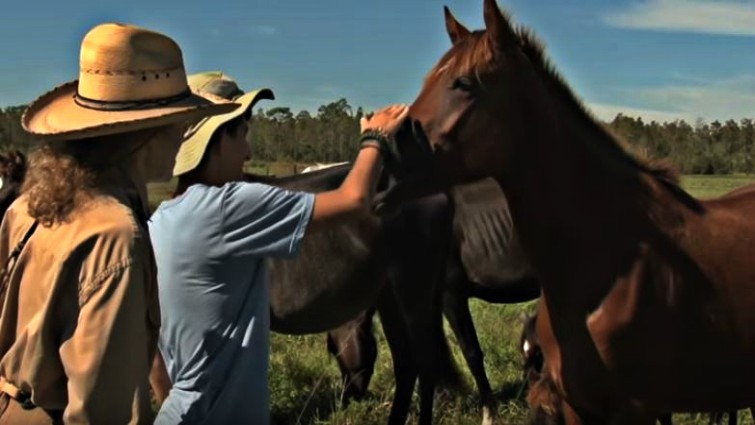
Horses possess an remarkable ability to sense emotions and respond with patience and gentleness. They’re intuitive creatures who mirror the emotional state of those around them. For autistic teens who may feel misunderstood in traditional settings, this authentic connection can be profoundly healing.
When a young person with autism learns to work with a horse—communicating through body language, energy, and intention—they’re developing crucial life skills that extend far beyond the arena. They’re learning to trust themselves, understand their own capabilities, and recognize that they have value to offer.
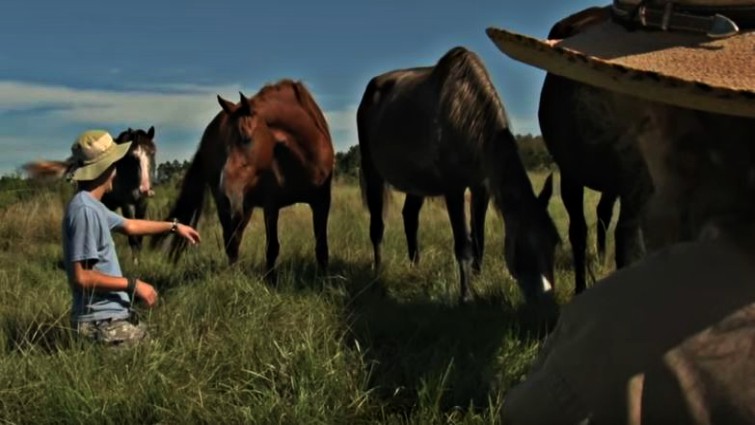
See It in Action
Want to witness the transformative power of equine therapy firsthand? Check out this inspiring video that showcases young people with autism discovering confidence and joy through their connections with horses:
A Message of Hope
For teens with autism and their families, equine therapy represents more than just a recreational activity—it’s a pathway to self-discovery and empowerment. Dr. Grandin’s recommendation that this therapy be available to every child and teenager struggling with autism speaks volumes about its proven effectiveness.
Horses don’t see limitations. They see individuals worthy of trust and capable of growth. In a world that often feels overwhelming and judgmental, these magnificent animals offer something invaluable: a place where autistic teens can simply be themselves and discover just how capable they truly are.