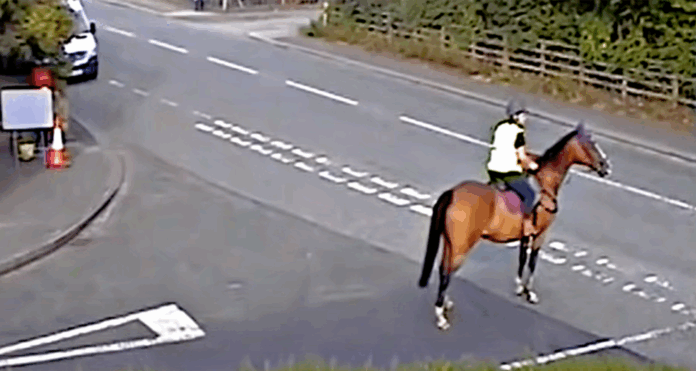

Horse falls are one of the most frightening moments any rider can experience. Whether you’re trail riding, commuting through town, or working in an arena, a sudden fall can happen in seconds—and the consequences can be severe for both horse and rider. Understanding why falls occur and how to respond can make all the difference in protecting yourself and your equine partner.
Why Do Horses Fall?
Horses lose their footing for many reasons. A misstep on uneven pavement, a hidden obstacle, a sudden startle, or even an underlying medical condition can cause a fall. Even the most experienced horses can stumble, and even the most skilled riders can find themselves suddenly unseated. That’s why preparation and prevention are so critical.
The Dangers of a Fall
For the horse, a fall can result in broken bones, sprains, cuts, and soft tissue injuries. The impact and struggle to regain footing put tremendous stress on their legs and body. For the rider, being thrown from a falling horse creates risk of serious injury—including head trauma, broken bones, internal injuries, and being crushed or dragged by the horse’s weight. Even with a helmet and protective gear, the force of impact can cause severe damage.
Watch This Dramatic Fall on Video
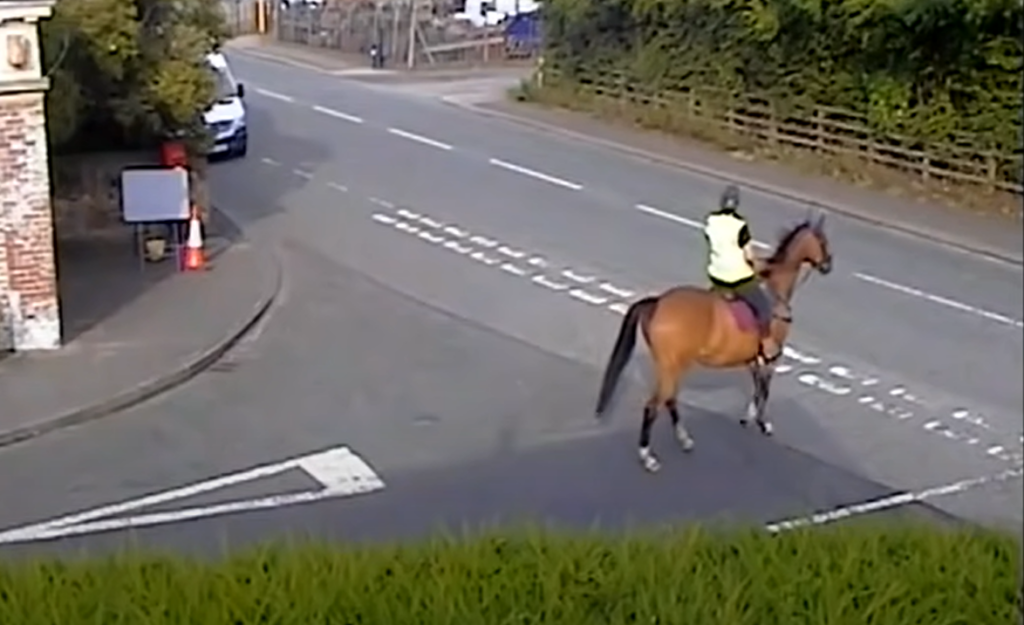
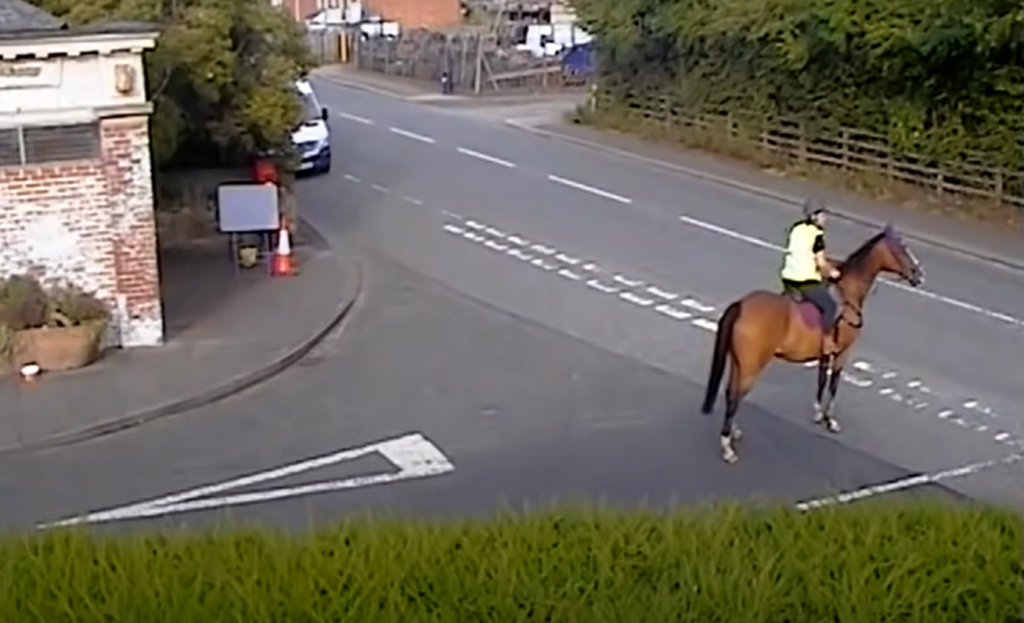
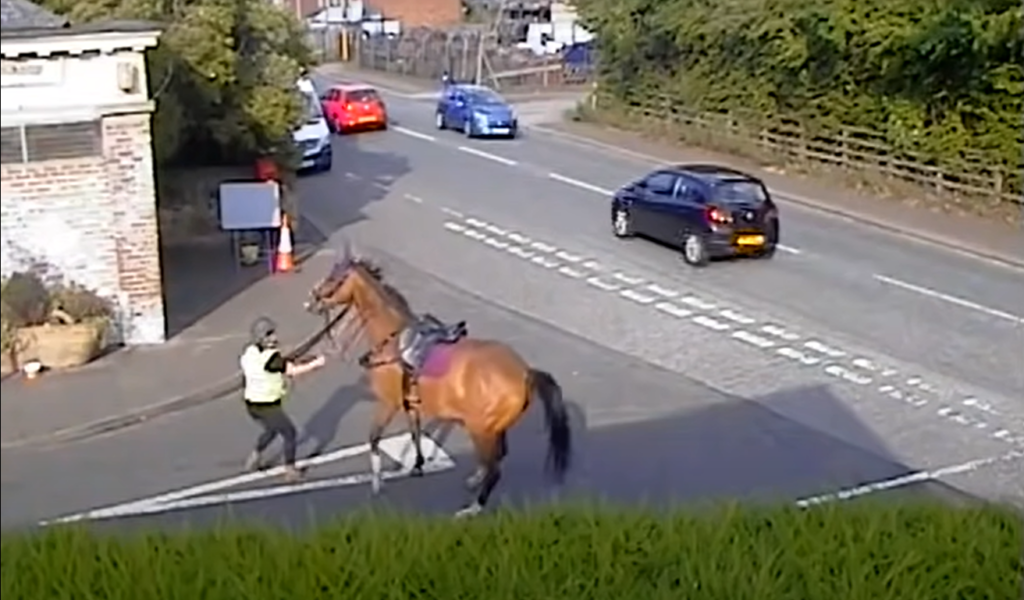
Recently, a rider faced a terrifying moment when their horse fell in the street. Fortunately, both rider and horse escaped with their lives, but the incident serves as a powerful reminder of how quickly things can go wrong. Check out the video below to see how the rider handled this critical situation:
Prevention: Your Best Defense
For Arena Work: Regular maintenance is essential. Keep footing level, remove obstacles, and inspect your riding area before each session. Quality footing reduces slipping and stumbling significantly.
For Your Horse: Proper training and conditioning improve your horse’s balance, coordination, and reaction time. Work with your farrier to ensure your horse has proper hoof care and appropriate shoes for your riding surface. A well-conditioned horse is more likely to recover their footing if they stumble.
For You: Always wear a safety helmet (ASTM or SEI certified) and consider protective gear like a safety vest, especially when trail riding or working with young horses. Good riding position and balance help you stay secure and make it easier to bail safely if needed.
What To Do If Your Horse Falls
If you or someone you know experiences a fall, immediate action is crucial. Stay calm and check on both horse and rider first. Even if injuries seem minor, seek medical attention promptly—some injuries don’t show symptoms immediately but can worsen without treatment. Have a veterinarian examine your horse to rule out hidden injuries or medical conditions that may have caused the fall.
If the fall occurred on pavement or hard ground, the risk of injury increases dramatically. Never delay getting professional medical evaluation.
Learn From Real Experiences
Videos like this one are invaluable learning tools for the entire equestrian community. They remind us that falls can happen to anyone, and they show us real-world scenarios we can prepare for. We’d love to hear your thoughts on what you see in this video. What do you think caused the fall? How would you have handled the situation?
Share this post with your fellow horse lovers and riders—your friends might find these insights helpful, and your discussion could help someone prevent their own accident. Drop your comments below and let’s learn together!